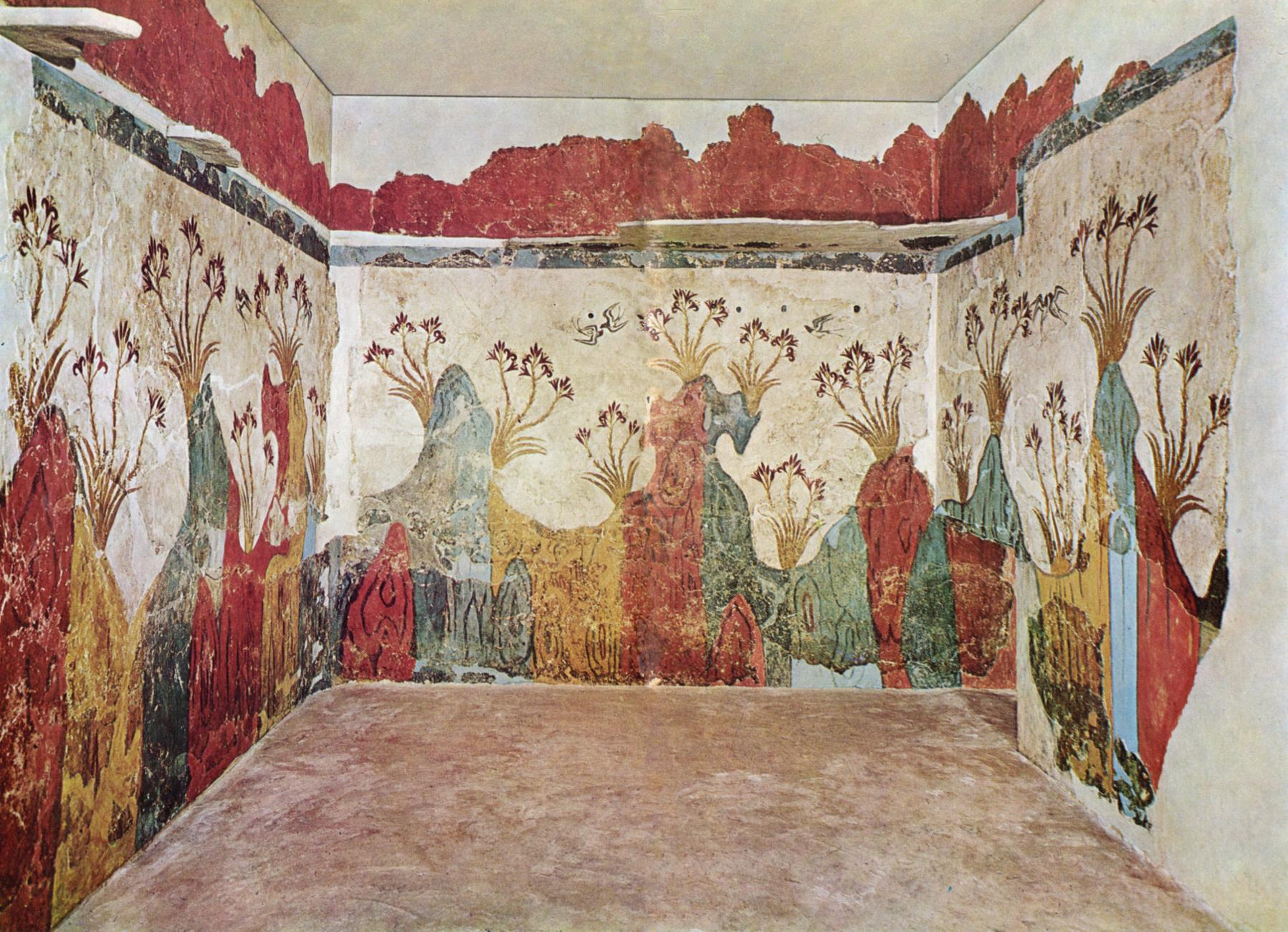
Pigments in Minoan artistic traditions
Color was an essential part of Minoan artistic expression. Wall paintings, decorated plaster, painted pottery, and other artistic surfaces reveal the use of mineral and organic substances to create vivid visual effects. Pigments were selected according to their availability, color properties, durability, and intended application.
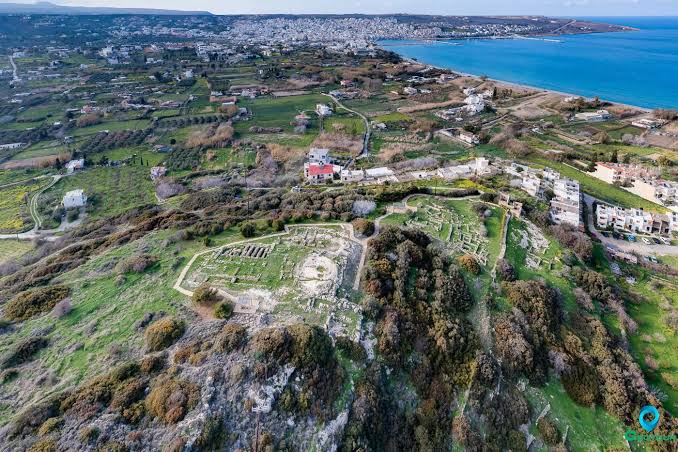
Kato Zakros, located in eastern Crete, is associated with the Minoan civilization and its architectural, artistic, and administrative traditions. Archaeological investigation in this region contributes to understanding the relationship between settlement organization, craftsmanship, ritual practices, and exchange.
Pigment remains recovered from an excavation trench could potentially provide information about the materials used in painting, the preparation of surfaces, and the organization of artistic production.
Identifying ancient pigments
Archaeologists and conservation scientists can examine pigments using analytical methods such as microscopy, X-ray fluorescence, Raman spectroscopy, and other techniques suited to the material being studied.
These methods may help identify mineral components such as iron-based ochres, carbon pigments, and other coloring substances. The identification of a pigment alone, however, does not necessarily establish how it was used. Researchers must also examine its physical condition, location, associated materials, and whether it is connected with a painted surface or workshop process.
Pigment fragments may have come from wall paintings, painted plaster, pottery, decorative objects, or materials used in preparing colors.
Excavation context and artistic production
The archaeological context would be particularly important at Kato Zakros. Pigments found near plaster fragments, architectural remains, tools, or prepared surfaces could suggest activities related to painting or decoration.
If pigment deposits were discovered in a workshop context, they might contribute to reconstructing the practical organization of Minoan craft production. If found in a destroyed building, they could instead represent remnants of decoration or materials that were stored before the building was abandoned.
Contribution to the study of Minoan art
Pigments offer a different perspective on Minoan art than finished paintings alone. They allow researchers to investigate the material processes behind artistic creation, including the preparation of colors, the use of tools, the selection of raw materials, and the possible movement of specialized resources.
A hypothetical pigment assemblage from Kato Zakros would therefore be important for examining the relationship between artistic expression, technological knowledge, and the economic organization of Minoan society.