Journey deep into Jordan’s deserts and highlands, and you’ll find something astonishing.
Cities carved straight into stone.
Columns rising in geometric perfection.
Black-basalt towns built in landscapes that seem almost lifeless.
Temples and fortresses scattered across the sands.
These are not myths.
They are real places — and together they raise a powerful question:
How were these built… and by whom?
The Stone City of Petra
Hidden within rose-colored cliffs, Petra feels almost impossible.
Carved directly into sandstone mountains by the Nabataeans more than 2,000 years ago, its facades combine Hellenistic grandeur with desert ingenuity. The precision of the carvings, the massive tombs, and the sophisticated water management systems reveal a society that mastered both art and engineering in one of the harshest environments imaginable.
This was not a primitive outpost.
It was a thriving desert capital connected to vast trade networks stretching from Arabia to the Mediterranean.
The Columns of Jerash (Gerasa)
North of Amman lies Jerash — one of the best-preserved Roman provincial cities in the world.
Its colonnaded streets, triumphal arches, temples, and theaters remain astonishingly intact. The alignment of its columns and urban layout reflect Roman precision at imperial scale.
Standing in its oval plaza, surrounded by symmetrical stonework that has survived earthquakes and centuries of abandonment, you feel the weight of organized power and meticulous planning.
Amman Citadel (Jabal al-Qal‘a)
Perched above modern Amman, the Citadel holds layers of civilizations stacked upon one another — Ammonite, Roman, Byzantine, and Umayyad.
Massive temple ruins dominate the hilltop, their columns towering over the city below. The scale alone suggests ambition beyond mere survival. This was a statement of authority — visible for miles.
Rock and Memory in Wadi Rum
In Wadi Rum, the landscape itself becomes architecture.
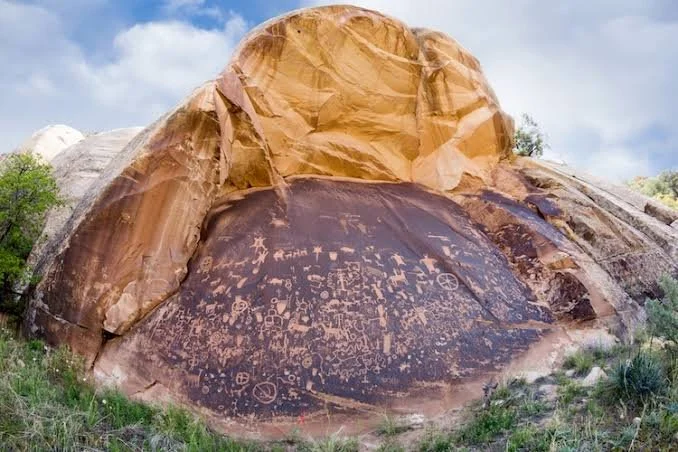
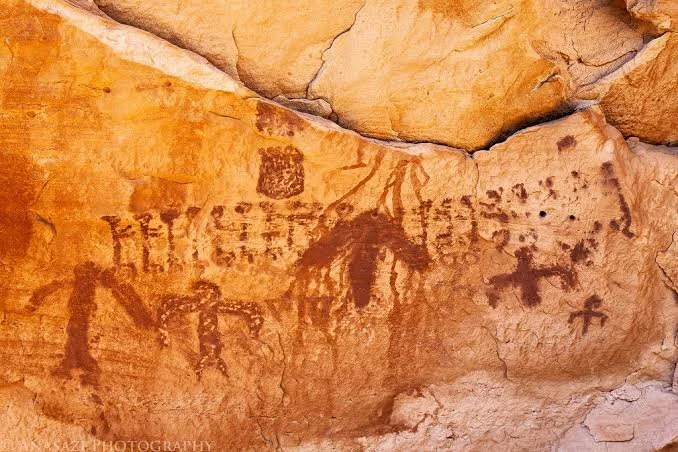
Monumental sandstone formations rise like frozen waves. Carved into them are inscriptions left by ancient travelers — Nabataean, Thamudic, and other scripts marking trade routes and journeys across the desert.
These are not megastructures in the traditional sense, but they reveal something equally powerful: movement, communication, and human presence in an environment that feels almost otherworldly.
Fortress Engineering: Ajloun Castle & Shawbak Castle
Jordan’s medieval castles rise from hills and cliffs like stone crowns.
Ajloun Castle, built in the 12th century during the Ayyubid period, demonstrates strategic military engineering designed to control vital trade and pilgrimage routes.
Farther south, Shawbak Castle — originally known as Montreal during the Crusader period — stands as a stark reminder of the region’s turbulent medieval history. Built atop a rugged hill, it combines defensive sophistication with sheer audacity of placement.
The Black-Basalt City of Umm al-Jimal
Unlike Petra’s rose stone, Umm al-Jimal is built from dark volcanic basalt.
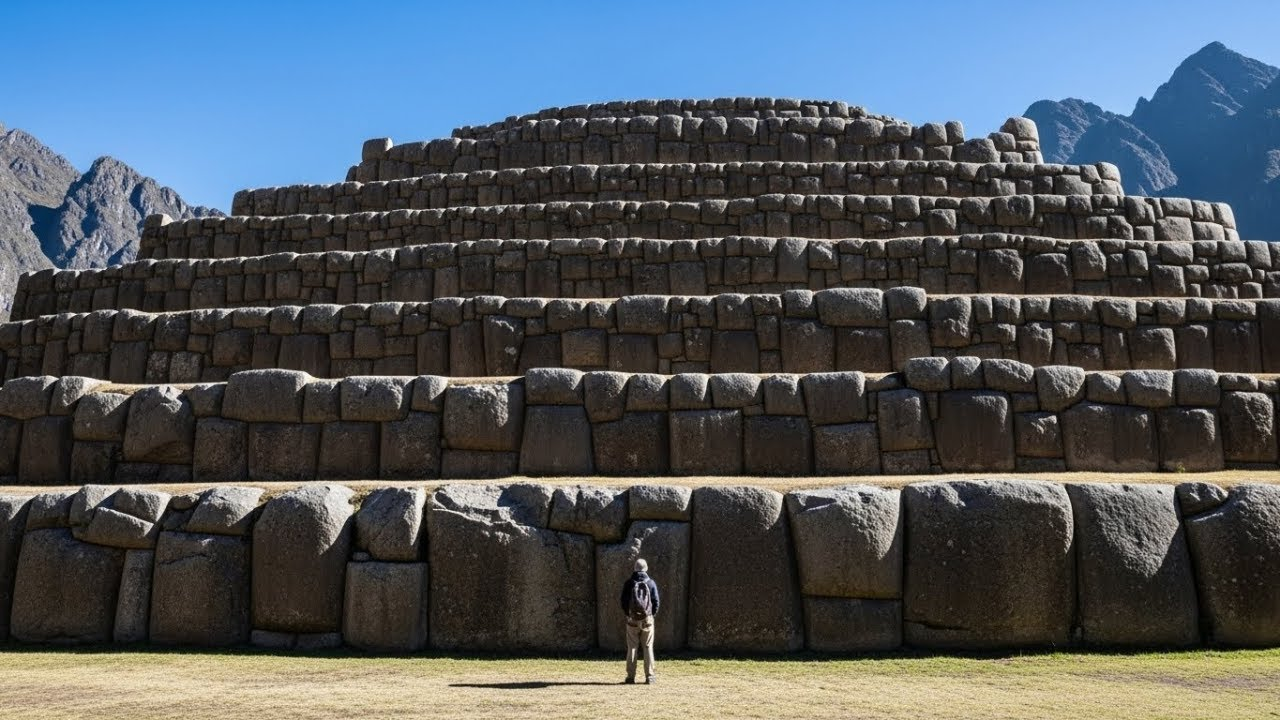
This “Black City” emerged along the Roman and Byzantine frontier, its houses, towers, and churches constructed from heavy black stone that gives it an almost monolithic presence.
How did builders transport and assemble such material in this environment?
Even today, its walls stand high, defying time and erosion.
The Enigma of Qasr al-Abd (Iraq al-Amir)
Qasr al-Abd is one of the most mysterious structures in Jordan.
Dating to the Hellenistic period, this massive palace features enormous stone blocks and carved animal reliefs that feel stylistically out of place in their rural setting.
It was never fully completed — leaving us with a snapshot of ambition interrupted.
Who Built Them — And How?
The truth is both simpler and more astonishing than myth.
These structures were built by skilled engineers, architects, artisans, and laborers across centuries — Nabataeans, Romans, Ammonites, Byzantines, Ayyubids, Crusaders, and others.
No lost super-civilization.
No impossible technology.
But immense organization.
Deep knowledge of materials.
Strategic use of geography.
And generations of accumulated skill.
Jordan’s ancient megastructures do not defy logic.
They demonstrate what human societies can achieve — even in deserts.
🎬 Timestamps
00:00 — Introduction
01:01 — Petra
08:21 — Jerash (Gerasa)
15:41 — Amman Citadel (Jabal al-Qal‘a)
22:50 — Wadi Rum Inscriptions & Rock Landscapes
30:08 — Ajloun Castle (Qal‘at ar-Rabad)
36:32 — Shawbak Castle (Montreal)
44:06 — Umm al-Jimal (Basalt City)
52:03 — Qasr al-Abd (Iraq al-Amir)
🎥 Watch the video below to journey across Jordan’s deserts and uncover the ancient megastructures that continue to challenge our understanding of early engineering and ambition: