• MAIN PAGE
  • LATEST NEWS
    • Lost Cities
    • Archaeology's Greatest Finds
    • Underwater Discoveries
    • Greatest Inventions
    • Studies
    • Blog
  • PHILOSOPHY
  • HISTORY
  • RELIGIONS
    • Africa
    • Anatolia
    • Arabian Peninsula
    • Balkan Region
    • China - East Asia
    • Europe
    • Eurasian Steppe
    • Levant
    • Mesopotamia
    • Oceania - SE Asia
    • Pre-Columbian Civilizations of America
    • Iranian Plateau - Central Asia
    • Indus Valley - South Asia
    • Japan
    • The Archaeologist Editor Group
    • Scientific Studies
    • Aegean Prehistory
    • Historical Period
    • Byzantine Middle Ages
    • Predynastic Period
    • Dynastic Period
    • Greco-Roman Egypt
  • Rome
  • PALEONTOLOGY
  • About us
Menu

The Archaeologist

  • MAIN PAGE
  • LATEST NEWS
  • DISCOVERIES
    • Lost Cities
    • Archaeology's Greatest Finds
    • Underwater Discoveries
    • Greatest Inventions
    • Studies
    • Blog
  • PHILOSOPHY
  • HISTORY
  • RELIGIONS
  • World Civilizations
    • Africa
    • Anatolia
    • Arabian Peninsula
    • Balkan Region
    • China - East Asia
    • Europe
    • Eurasian Steppe
    • Levant
    • Mesopotamia
    • Oceania - SE Asia
    • Pre-Columbian Civilizations of America
    • Iranian Plateau - Central Asia
    • Indus Valley - South Asia
    • Japan
    • The Archaeologist Editor Group
    • Scientific Studies
  • GREECE
    • Aegean Prehistory
    • Historical Period
    • Byzantine Middle Ages
  • Egypt
    • Predynastic Period
    • Dynastic Period
    • Greco-Roman Egypt
  • Rome
  • PALEONTOLOGY
  • About us
No results found

Kinneff Old Church: Kincardineshire's Pictish Stones

August 31, 2026

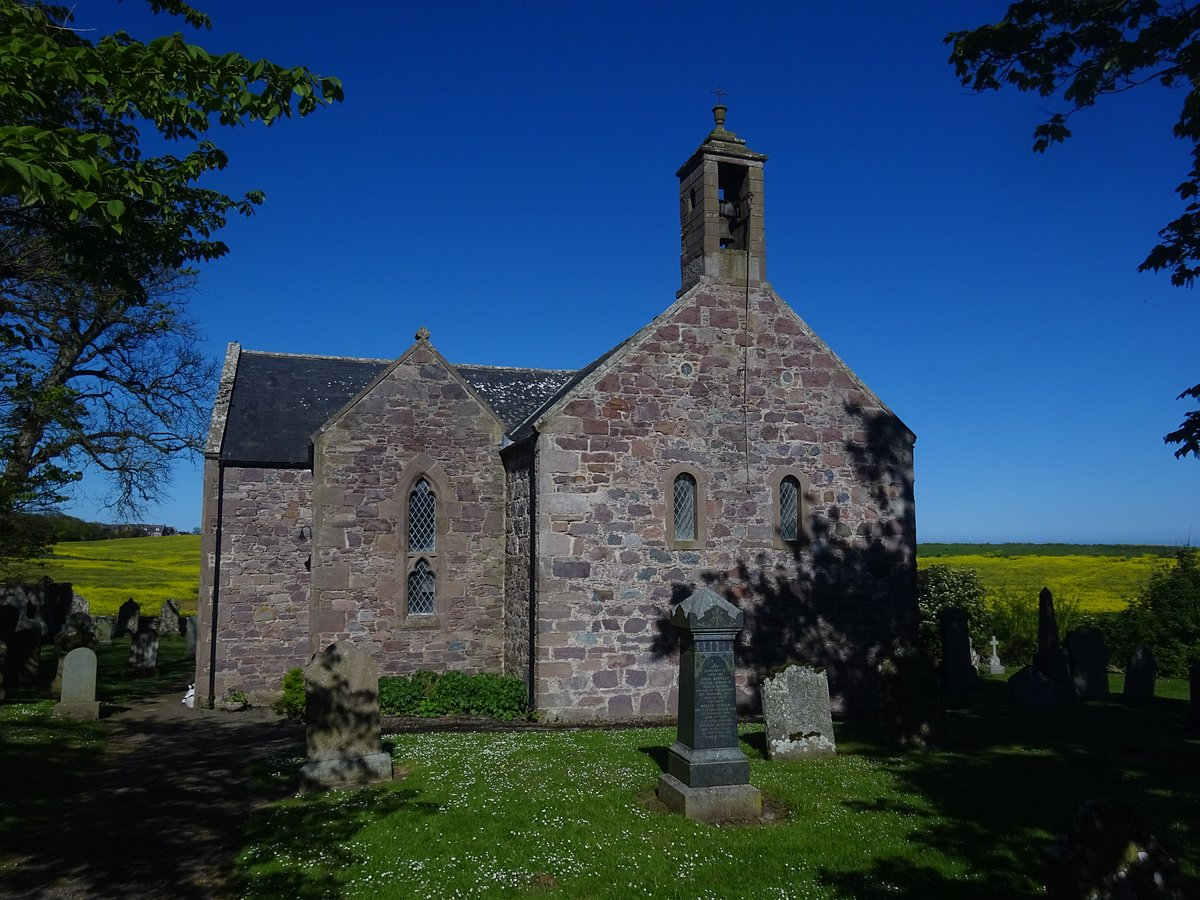
Kinneff Old Church is associated with the historic landscape of Kincardineshire and provides an important context for studying the transition from prehistoric and Pictish traditions into medieval Christianity.

Pictish carved stones are among the most distinctive archaeological remains in eastern and northern Scotland.

Who Were the Picts?

The Picts were groups inhabiting northern and eastern Scotland during late antiquity and the early medieval period.

They are known primarily through:

  • archaeological remains;

  • carved stones;

  • place names;

  • and limited written references.

Pictish Symbol Stones

Pictish stones often contain mysterious symbols.

Examples include:

  • crescent and V-rod;

  • double disc and Z-rod;

  • mirror and comb;

  • serpent;

  • fish;

  • and abstract geometric designs.

Christian Influence

Some later Pictish stones display Christian imagery.

These include:

  • crosses;

  • biblical scenes;

  • angels;

  • and religious symbols.

This demonstrates the spread of Christianity.

The Church Landscape

Christian churches became important centers of community organization.

They served functions including:

  • worship;

  • burial;

  • education;

  • and administration.

Reuse of Older Stones

Prehistoric and Pictish stones were sometimes incorporated into later buildings.

This creates fascinating evidence of how later communities interacted with earlier monuments.

Symbolism

The meaning of many Pictish symbols remains unknown.

They may have represented:

  • personal identity;

  • family groups;

  • political authority;

  • religious ideas;

  • or social status.

Why Pictish Stones Matter

Because written Pictish records are extremely limited, carved stones provide important evidence for Pictish society.

They reveal artistic traditions and symbolic communication that cannot be recovered from written sources.

Archaeological Context

Studying stones near churches can help researchers understand the development of Christian landscapes.

A site may preserve evidence from several periods.

Conclusion

The archaeological landscape surrounding Kinneff helps illustrate the transition from Pictish traditions into medieval Christian society.

Pictish carved stones remain among Scotland's most mysterious monuments, preserving symbols whose precise meanings have largely been lost but whose artistic and cultural importance remains unmistakable.

← Carlungie Earth House: Barry's Iron Age CellarAberlemno Stones: Angus's Pictish Cross Slabs →
Featured
image_2026-08-25_001355140.png
August 31, 2026
Mount Sandel: Northern Ireland's 9,000-Year Settlement
August 31, 2026
Read more →
August 31, 2026
image_2026-08-25_001215052.png
August 31, 2026
Star Carr: England's 10,700-Year Mesolithic Lakeside Camp
August 31, 2026
Read more →
August 31, 2026
image_2026-08-25_001438686.png
August 31, 2026
Staosnaig: Scotland's 6,000-Year Shell Midden
August 31, 2026
Read more →
August 31, 2026
image_2026-08-25_001541318.png
August 31, 2026
Barnhouse: Orkney's Neolithic Village and Standing Stones
August 31, 2026
Read more →
August 31, 2026
image_2026-08-25_001752145.png
August 31, 2026
Links of Noltland: Orkney's 5,000-Year Stone House
August 31, 2026
Read more →
August 31, 2026
image_2026-08-25_001848207.png
August 31, 2026
Skara Brae: Orkney's 5,100-Year Underground Village
August 31, 2026
Read more →
August 31, 2026
read more

Powered by The archaeologist