World War One Soldier’s Knife Among Finds from Sussex Excavation
A lost knife belonging to a World War One soldier will feature in an upcoming exhibition in Sussex, alongside other artefacts uncovered during recent excavations at Cooden Camp in Bexhill.
The dig, led by Archaeology South-East (ASE), was conducted ahead of plans to build 70 homes off Clavering Walk, on land that was once part of the military camp. Archaeologists uncovered training camp features as well as personal items used by soldiers stationed there.
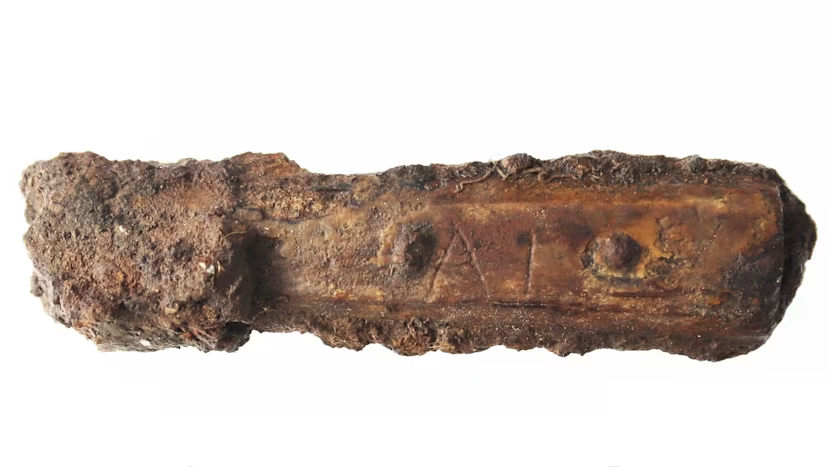
One notable find is a bone-handled knife with the initials A.I. carved into it. Researchers noted that corrosion on the handle resulted from the iron scale tang embedded inside. Historical investigation has suggested several potential owners, including 19-year-old Lance Corporal Alfred Isted from Burwash, East Sussex, who was later killed in action.
Simon Stevens, who led the excavation, explained: “Our digs can tell us only so much about the men training here. That’s why we’re combining archaeology with historical research and stories from descendants, to bring these soldiers’ stories to life.”
Cooden Camp is remembered as the initial training ground for men of the 11th, 12th, and 13th Battalions of the Royal Sussex Regiment. Many of these soldiers later fought in the Battle of the Boar’s Head at Richebourg-I’Avoué in France on 30 June 1916, an assault on heavily defended German positions that resulted in around 1,100 casualties across the three battalions. The tragic day became known locally as “The Day Sussex Died.”