Fresh findings about arm and leg bones advance the debate over whether Sahelanthropus tchadensis was bipedal, but not everyone is convinced
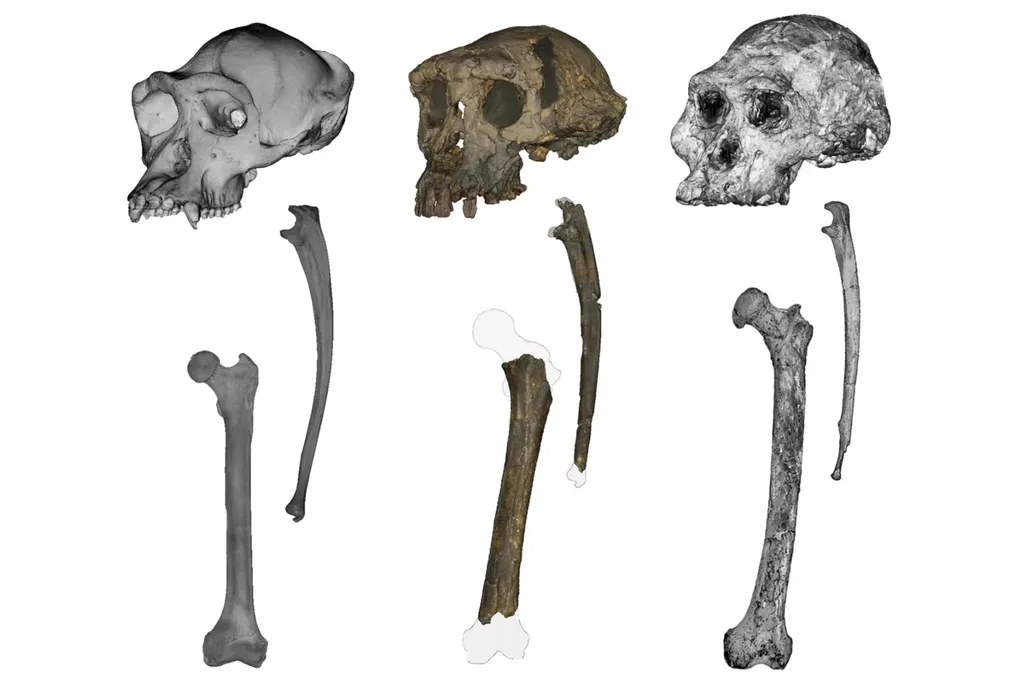
Bones from a chimpanzee on the left, Sahelanthropus tchadensis in the center, and an Australopithecus species on the right
New Analysis Suggests Sahelanthropus tchadensis Walked Upright
In the early 2000s, researchers discovered roughly seven-million-year-old primate bones in Chad’s Djurab Desert. Belonging to the extinct species Sahelanthropus tchadensis, these fossils have sparked decades of debate among paleontologists over whether the species walked on two legs—a trait that would make it the oldest known member of the human lineage, or hominin.
A new study, published January 2 in Science Advances, adds to this debate by analyzing fragments of arm and leg bones, offering evidence that S. tchadensis may indeed have been upright.
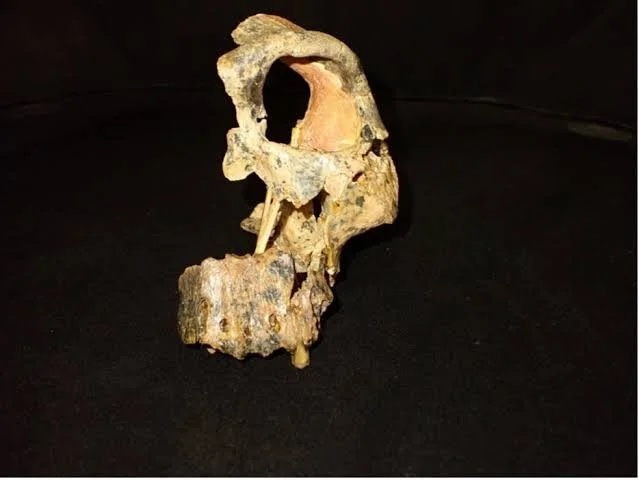
The species was first described in 2002 based on a skull, teeth, and jaw fragments. These suggested upright posture, but without leg bones, firm conclusions about bipedalism were impossible. Later, researchers identified a nearby femur and two ulnae as belonging to the species, though interpretations of their meaning for walking remained contested.
In the new analysis, scientists examined the bones’ fine anatomical details and compared them with those of living primates and other fossils. One key finding was a rounded bump on the femur, called the femoral tubercle. Study co-author Scott Williams, an evolutionary morphologist at New York University, explains that this is the attachment point for the largest and most powerful ligament in the body, which tightens when standing and helps stabilize the torso during walking—a feature previously only identified in bipedal hominins.
The researchers also confirmed other traits linked to bipedalism: a twist in the femur that aids upright walking, buttocks muscles modeled for walking and running like those of ancient hominins, and a femur-to-ulna length ratio more similar to Australopithecus than to apes, which typically have shorter legs and longer arms for quadrupedal movement. These proportions suggest a significant evolutionary step toward human-style walking.
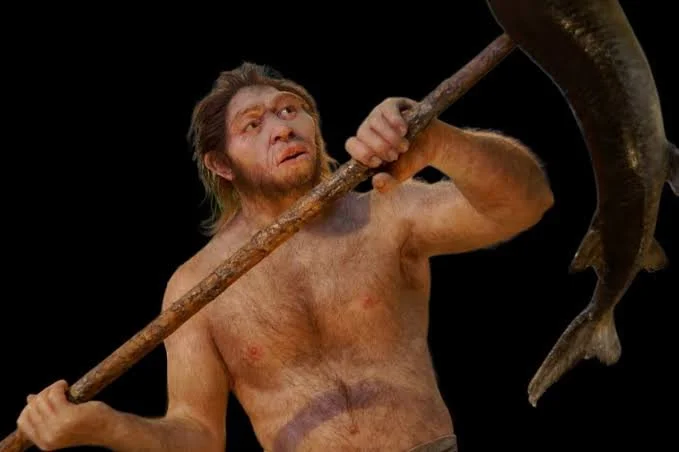
Williams concludes, “Sahelanthropus tchadensis was essentially a bipedal ape with a chimpanzee-sized brain, likely spending much time in trees, yet adapted to upright posture and movement on the ground.”
Not all experts are fully convinced. John Hawks, an anthropologist at the University of Wisconsin-Madison, supports the findings but emphasizes the gradual and complex nature of early hominin evolution, noting that Sahelanthropus likely displayed a mix of ape-like and human-like traits.
Marine Cazenave of the Max Planck Institute for Evolutionary Anthropology, however, calls the evidence “weak” due to the fossil’s poor preservation, making it difficult to determine the full structure of the femoral tubercle and its implications for bipedalism.
The debate continues, highlighting the challenges of interpreting some of the earliest steps in human evolution.