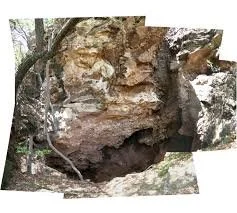
A large Roman factory has been uncovered on the banks of the River Wear at Offerton, near Sunderland, a site that had remained “hidden in plain sight” for centuries.
The discovery revealed hundreds of whetstones, which were used in Roman times to sharpen swords and farm tools.
Excavations began in February 2025 and were carried out by the local Vedra Hylton Community Association.
Allyson Timm, who found the first objects, initially mistook them for “Mars Bar stones” because she did not know what they were. She said, “I actually found the first ones over the opposite side of the river and didn't have a clue what they were. I'm so pleased to be part of [the dig] and we've all worked together. It's just amazing and now we've made history with it.”
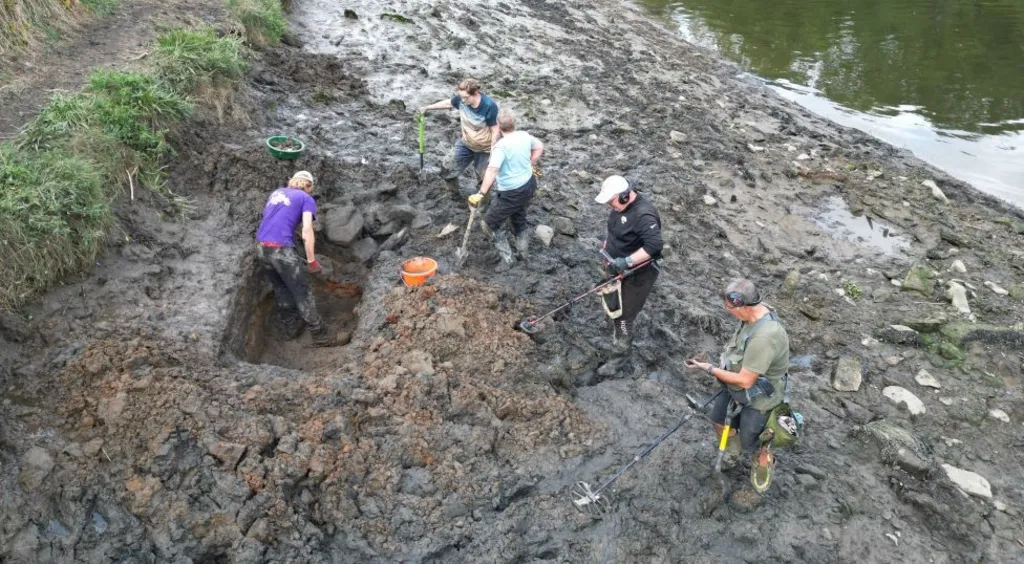
The dig was conducted by members of the Vedra Hylton Community Association
Around 800 whetstones have been uncovered at the Offerton site, though the dig team believes thousands more may still be hidden within the riverbank.
Durham University supported the excavation and noted that research indicates Offerton is the first known Roman site in Britain where stone was deliberately quarried specifically for whetstone production.
Analysis of sediment samples suggests the factory was in operation between AD 104 and AD 238.
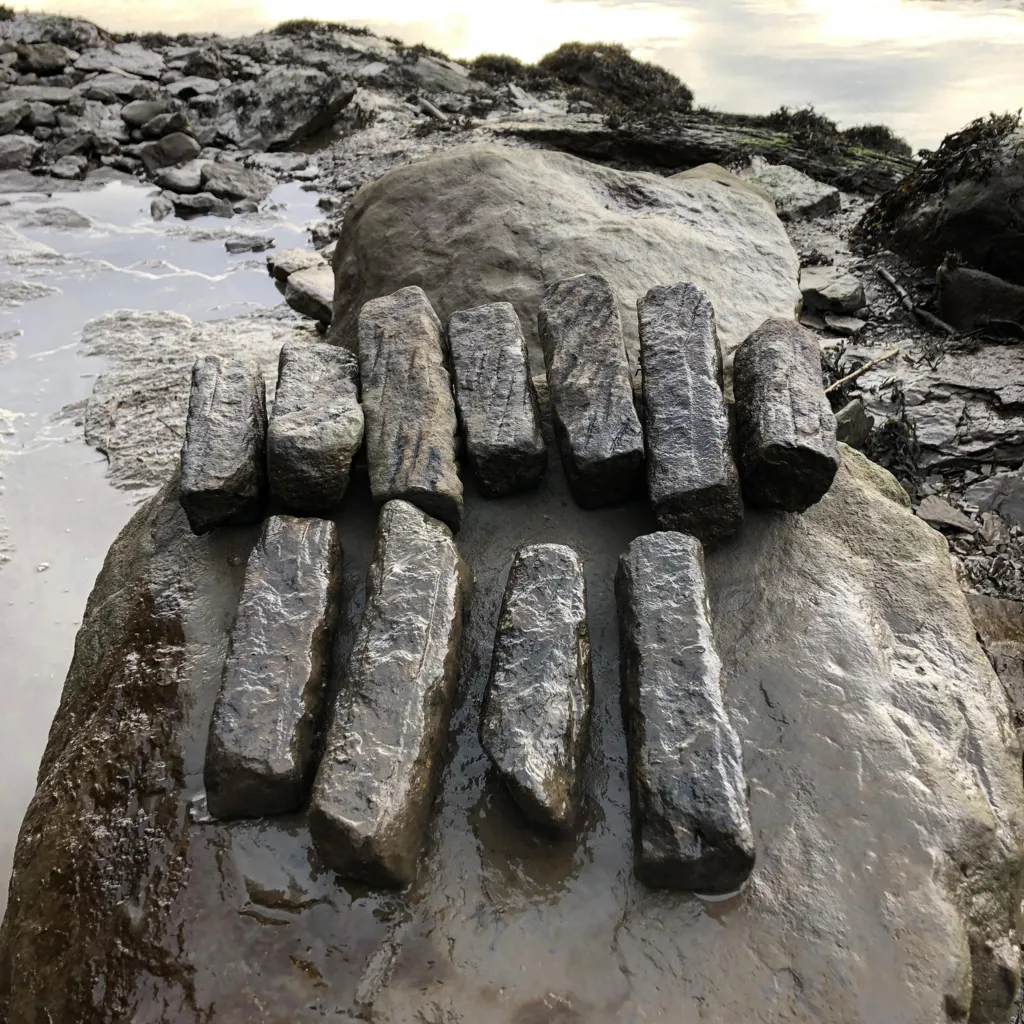
About 800 whetstones have been found by the riverbank
The excavation was led by Gary Bankhead, president of the Vedra Hylton Community Association and honorary fellow at Durham University’s Department of Archaeology.
Bankhead described the whetstone production site as the largest in Britain, “without a shadow of a doubt,” and added, “It’s probably the largest number of whetstones found in the entire north-west of Europe, so it’s a significant location, hidden in plain sight.”
He also noted that the team uncovered objects from various periods, indicating that Offerton was abandoned after the Romans left but later reoccupied as a settlement.

Gary Bankhead called the Roman site a remarkable discovery
The discoveries also included a post-medieval wooden jetty, an older stone jetty, chisels and stone-splitting tools, a Tudor leather shoe, and iron and stone cannonballs dating to the English Civil War.
While a Civil War skirmish at Offerton was already documented, Durham University noted that the ammunition finds suggest the battle covered a larger area than previously believed.
“This isn’t just a Roman site, it’s Sunderland’s story revealed through the dedication of local volunteers and researchers working side by side,” said Bankhead. “The River Wear has once again offered us a remarkable discovery, and we are only beginning to understand its full legacy.”