Berbera, located on the Gulf of Aden, has been an important coastal settlement for centuries.
Its strategic location made it a center of maritime trade connecting Somaliland with Arabia, the Red Sea, and the wider Indian Ocean.
The town's Islamic cemeteries and tombs preserve evidence of the long history of Muslim communities in the region.
Islam on the Somaliland Coast
Islam became established along the Somali coast through centuries of contact with Muslim merchants and communities.
Trade played an important role.
Muslim merchants traveled between:
Arabia;
East Africa;
Persia;
India;
and the Red Sea.
Religious and commercial networks frequently overlapped.
Islamic Burial Traditions
Islamic burial practices generally emphasize:
burial of the deceased;
orientation toward Mecca;
modesty;
and communal remembrance.
However, tomb architecture varies considerably across regions.
Local traditions sometimes produced distinctive structures.
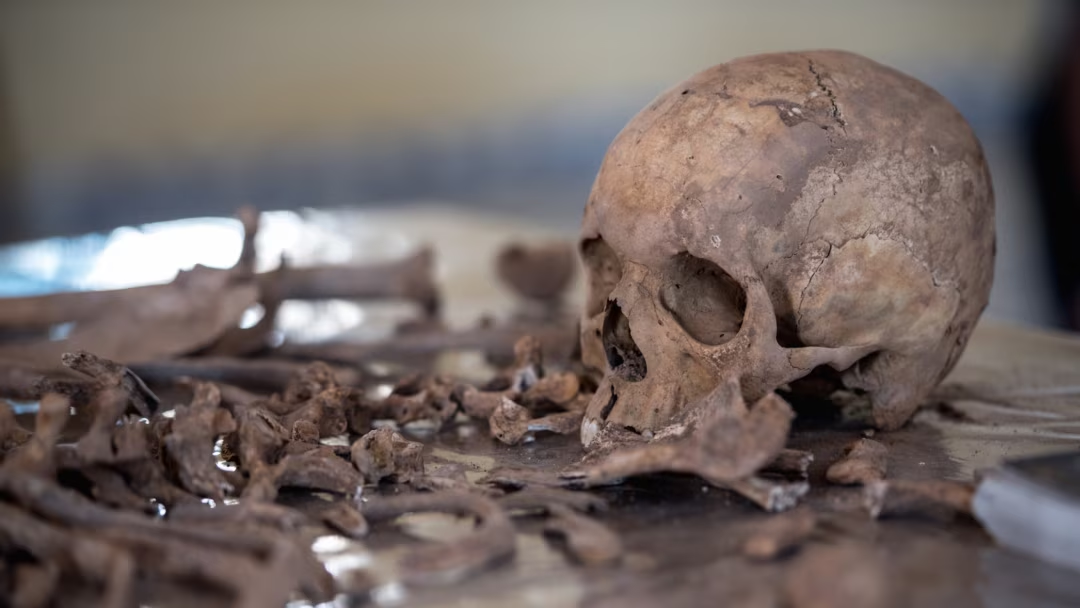
Tombs as Historical Evidence
Burial sites can preserve information about:
population;
religion;
social status;
artistic traditions;
and trade connections.
Inscriptions can be particularly valuable.
They may record:
names;
dates;
religious phrases;
genealogies;
and titles.
Coastal Trade and Islam
Berbera's importance as a port meant that religious traditions could spread alongside commercial relationships.
Merchants could establish long-term communities.
Mosques and cemeteries became permanent evidence of these networks.
Imported Materials
Objects associated with Islamic burials can sometimes reveal long-distance connections.
These may include:
ceramics;
beads;
textiles;
or architectural elements.
However, imported objects must be interpreted carefully because they may have passed through several trading communities.
Tomb Architecture
Some Islamic tombs are relatively simple.
Others may include:
stone markers;
domed structures;
decorated graves;
or enclosed burial spaces.
Architectural variation can reflect:
regional traditions;
social status;
religious practices;
and historical periods.
Berbera's Maritime Position
The Gulf of Aden made Berbera an important stopping point.
Ships could use the harbor while trading goods between Africa and Arabia.
The town therefore developed a cultural environment influenced by multiple regions.
The Colonial Period
During the nineteenth century, Berbera became increasingly important to European imperial interests.
British Somaliland established political control over the northern Somali coast.
Colonial administration altered the economic importance of the port.
Preservation
Historic Islamic cemeteries are vulnerable to:
urban development;
erosion;
vandalism;
and neglect.
Preserving graves is particularly important because burial sites contain cultural and religious significance beyond their archaeological value.
Why Berbera's Tombs Matter
The tombs preserve evidence of the long-term establishment of Islam in Somaliland.
They demonstrate how:
religion;
maritime trade;
migration;
and local traditions
became interconnected.
Conclusion
The Islamic tombs of Berbera are important historical witnesses to the transformation of Somaliland's coastal society.
They demonstrate that the Gulf of Aden was not simply a geographic boundary.
It was a corridor through which religion, commerce, people, and cultural traditions moved for centuries.