Introduction
Human diets in the Bronze Age can be reconstructed through several forms of archaeological evidence, including animal bones, plant remains, food residues, dental wear, and chemical analysis of human remains. One especially direct but unusual source is coprolites: preserved feces that can retain traces of food, parasites, microorganisms, and other biological material.
When preserved in caves, coprolites may provide information about what people or animals consumed and how food moved through the digestive system. However, identifying the source of a coprolite is essential. A cave deposit may contain feces from humans, domesticated animals, or wild species.
Reconstructing a Bronze Age diet from coprolites therefore requires careful identification, dating, contamination control, and comparison with other archaeological evidence.
What Are Coprolites?
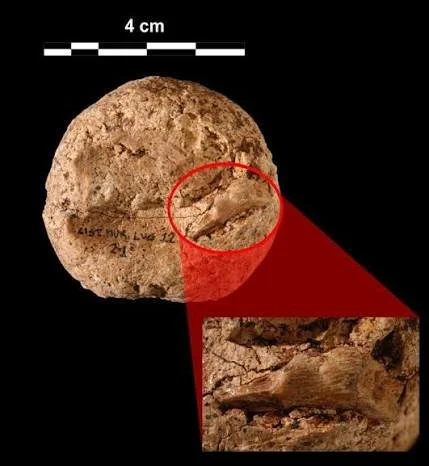
Coprolites are fossilized or preserved fecal deposits. Their survival depends on environmental conditions, including moisture, temperature, oxygen availability, and the chemistry of the surrounding sediment.
Some coprolites preserve recognizable shapes, while others survive as fragmented or mineralized material.
They can contain undigested plant fragments, seeds, pollen, bone particles, parasite eggs, and microscopic biological remains. These materials may help researchers investigate diet and health.
However, the contents of a coprolite represent only a partial sample of what was eaten. Foods that digest thoroughly may leave little recognizable material, while resistant seeds or bones may be disproportionately visible.
Identifying Human and Animal Coprolites
The first challenge is determining which species produced the deposit.
Shape and size can provide preliminary clues, but they are not always reliable. Diet, age, health, and preservation conditions can alter fecal appearance.
Microscopic analysis may identify characteristic contents, while chemical methods or ancient DNA analysis may help distinguish human from animal material in suitable cases.
Even when a coprolite is identified as human, researchers must consider whether it belongs to the Bronze Age occupation under study. Caves can contain deposits from multiple periods, and animal activity may mix materials from different layers.
What Food Remains Can Reveal
Coprolites may contain seeds, fruit skins, plant fibers, starch granules, and other food remains. These can provide direct evidence that particular plant materials passed through the digestive system.
Animal-derived materials may also be present, although their identification can be more difficult.
The presence of a plant fragment indicates consumption more directly than a seed found elsewhere in the cave, but it does not establish how frequently the food was eaten or how important it was to the diet.
A single coprolite reflects one episode of digestion. Researchers need multiple samples and comparison with other evidence to reconstruct broader dietary patterns.
Microscopic and Chemical Analysis
Researchers can use microscopy to identify plant structures, starch granules, parasite eggs, and other microscopic remains.
Chemical analysis may detect compounds associated with foods or digestive processes. Ancient DNA techniques can sometimes identify biological material, although preservation and contamination are major concerns.
Each method has limitations. Starch grains may be difficult to identify to species, and DNA can be degraded or contaminated by modern material.
A reliable investigation combines multiple methods and documents how samples were collected, stored, and processed.
Cave Environments and Preservation
Caves can provide relatively stable conditions, but preservation varies. Dry caves may preserve some materials through desiccation, while waterlogged or mineral-rich deposits may preserve other types of organic remains.
At the same time, caves can receive sediment through water movement, animal burrowing, roof collapse, and repeated human occupation.
These processes may mix deposits that originally accumulated at different times.
Researchers must therefore study the cave's stratigraphy and formation processes before assigning a coprolite to a particular archaeological period.
Dating Coprolites
Radiocarbon dating may be possible when sufficient suitable organic material survives. However, the sample must be identified and prepared carefully to reduce contamination.
A date from material associated with a coprolite does not necessarily establish the age of the coprolite itself. Sediment can contain older charcoal or other materials redeposited from earlier layers.
Direct dating, where feasible, combined with stratigraphic evidence offers a stronger chronological foundation.
Parasites and Ancient Health
Coprolites may preserve parasite eggs or other biological indicators. These can provide information about infections and the conditions in which people lived.
Parasites can be associated with food, water, soil, animals, or interpersonal transmission. Their presence may help researchers investigate sanitation and patterns of exposure.
However, detecting a parasite does not automatically reveal the severity of illness or its effects on an individual. The evidence must be interpreted within the broader context of diet, environment, and health.
Diet and Food Preparation
The contents of coprolites may help investigate whether foods were eaten raw, cooked, processed, or combined with other ingredients.
For example, some plant structures may survive differently depending on preparation methods. However, digestion itself alters food remains, and similar traces can result from different cooking techniques.
Researchers should not infer a complete recipe from a few fragments. Instead, coprolites can contribute evidence about the kinds of foods consumed and the possible processing of those foods.
Comparing Coprolites with Other Dietary Evidence
Coprolites are most useful when compared with other evidence from the same site or region.
Animal bones can reveal which species were butchered, while charred seeds and plant remains can identify crops and gathered foods. Residues in pottery may indicate the processing of fats, grains, or other substances.
Human skeletal chemistry can sometimes provide information about long-term dietary patterns, although it usually does not identify specific meals.
If these independent sources point toward similar food resources, researchers can construct a more robust picture of Bronze Age diet.
Limits and Ethical Considerations
Coprolites can be scientifically valuable, but they require careful handling because they may contain biological hazards. Appropriate protective procedures and laboratory controls are essential.
Research should also consider the archaeological and cultural context of human remains and deposits. Material from human bodies should be treated respectfully, and sampling should be justified by clear research questions.
Finally, researchers should avoid assuming that one person's diet represents an entire community. Food consumption can vary by age, social position, season, health, and access to resources.
Conclusion
Coprolites provide a distinctive source of evidence for reconstructing Bronze Age diets in cave environments. Their contents may preserve traces of plant foods, animal-derived materials, parasites, and other biological remains that help researchers investigate consumption and health.
However, these deposits must be identified, dated, and analyzed carefully. Cave sediments can mix material from different periods, and coprolites preserve only a partial record of what was eaten.
When combined with archaeobotany, zooarchaeology, residue analysis, and human skeletal evidence, coprolites can contribute to a more detailed understanding of prehistoric food practices. Their value lies not in providing a complete menu, but in offering a rare direct record of biological material that passed through the digestive system of a person or animal in the past.