Rinyo is a Neolithic settlement on the island of Rousay in Orkney, Scotland.
The site is particularly important for its association with Grooved Ware, one of the most distinctive pottery traditions of Neolithic Britain.
Rinyo provides evidence for domestic life, agriculture, craft production, and the wider cultural connections that existed between prehistoric communities across Orkney.
Neolithic Rousay
Rousay is part of the Orkney archipelago.
Its landscape provided:
fertile farmland;
coastal resources;
freshwater;
and abundant stone.
These resources supported Neolithic communities.
The Settlement
Rinyo contained substantial stone structures.
The remains demonstrate that people lived in planned houses rather than temporary camps.
The buildings included:
hearths;
internal divisions;
storage areas;
and workspaces.
Grooved Ware
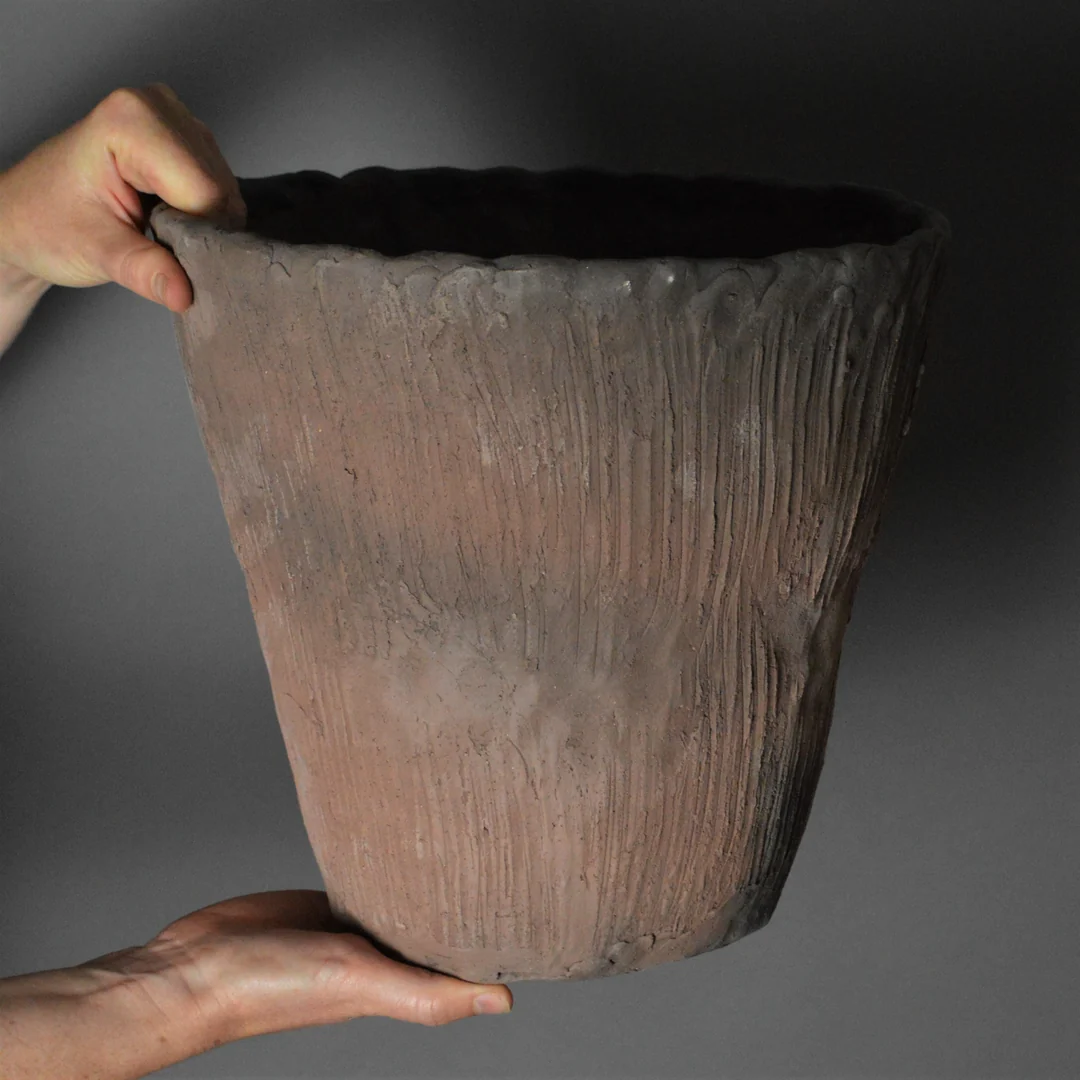
The pottery tradition associated with Rinyo is called Grooved Ware.
These vessels typically feature:
flat or rounded bases;
thick walls;
and horizontal grooves or geometric decoration.
The style is strongly associated with Late Neolithic Britain.
Why Grooved Ware Matters
Grooved Ware has been discovered at several important archaeological sites, including:
Skara Brae;
Barnhouse;
Durrington Walls;
and other ceremonial centers.
Its distribution demonstrates cultural connections over large distances.
Domestic Pottery
Pottery was useful for:
cooking;
storing food;
transporting liquids;
and serving.
The presence of distinctive vessels can therefore reveal aspects of daily life.
Agriculture
The inhabitants practiced food production.
Cereal cultivation was important.
Barley was particularly well suited to Orkney's climate.
People also raised livestock such as:
cattle;
sheep;
and pigs.
Marine Resources
The island location allowed residents to exploit:
fish;
shellfish;
seabirds;
and marine mammals.
This created a diversified economy.
Stone Architecture
Rousay lacks extensive forests.
Stone was therefore an essential building material.
The use of stone allowed structures to survive for thousands of years.
Social Organization
Building substantial houses required coordinated labor.
Communities needed systems for:
acquiring stone;
preparing food;
managing livestock;
and maintaining structures.
The settlement demonstrates organized communal life.
Connections Across Orkney
Rinyo should be understood as part of a wider Neolithic cultural system.
Other settlements and monuments shared:
pottery styles;
architectural traditions;
burial practices;
and ceremonial landscapes.
These similarities indicate interaction among island communities.
Ritual and Domestic Life
The presence of Grooved Ware in both domestic and ceremonial contexts has led archaeologists to consider whether the pottery had social or ritual significance.
Its decorative patterns may have communicated:
group identity;
ceremonial affiliation;
or cultural traditions.
Why Rinyo Matters
Rinyo provides valuable evidence for understanding:
Neolithic settlement;
pottery production;
agriculture;
island economies;
and cultural networks.
Conclusion
Rinyo demonstrates that Neolithic Orkney was a connected cultural world.
The settlement's architecture and Grooved Ware pottery link its inhabitants to communities across the islands and mainland Britain.
Its archaeological remains show how everyday domestic life existed alongside broader cultural traditions that extended far beyond the settlement itself.