Taversoe Tuick, located on the island of Rousay in Orkney, is one of the most unusual chambered tombs in Britain.
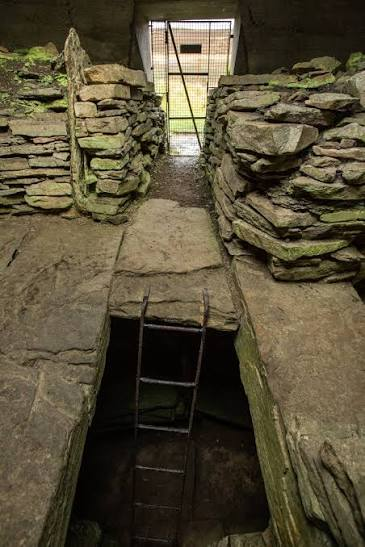
Its most remarkable feature is its two-level construction, with separate chambers arranged vertically.
This unusual architecture provides evidence for the diversity and complexity of Neolithic funerary traditions in Orkney.
An Unusual Tomb
Most chambered cairns are organized horizontally.
Taversoe Tuick is different.
It contains:
an upper chamber;
a lower chamber;
and associated passages.
The vertical arrangement makes the monument particularly distinctive.
Why Build Two Levels?
The reason for the two-story design is unknown.
Possible explanations include:
different burial phases;
different ritual functions;
architectural experimentation;
or symbolic distinctions between spaces.
No interpretation can currently be confirmed.
Collective Burial
Like many Neolithic chambered tombs, Taversoe Tuick was used for multiple individuals.
The monument therefore represents a communal approach to burial.
The Upper Chamber
The upper level would have been accessible from the surface.
It formed part of the monument's overall ritual architecture.
The Lower Chamber
The lower chamber is particularly interesting because it created a more enclosed and subterranean environment.
Moving downward could have carried symbolic significance.
Architecture and Ritual
Prehistoric architecture often manipulated:
light;
darkness;
movement;
visibility;
and enclosure.
The transition from the outside world into an enclosed chamber could have created a dramatic ritual experience.
The Landscape of Rousay
Rousay contains numerous prehistoric monuments.
These include:
Knowe of Yarso;
Blackhammer;
Taversoe Tuick;
and other chambered cairns.
The concentration demonstrates that the island was an important center of Neolithic activity.
Farming Communities
The people who constructed these monuments were agriculturalists.
They raised livestock and cultivated crops while also exploiting:
fish;
shellfish;
birds;
and wild plants.
Monument Construction
Building the tomb required:
stone quarrying;
transportation;
engineering;
and communal labor.
The effort demonstrates strong social organization.
Ancestors and Identity
A tomb used by generations could become a central symbol of group identity.
It could connect living communities with:
ancestors;
territory;
and shared history.
Why Taversoe Tuick Matters
The tomb demonstrates that Neolithic builders did not follow a single architectural formula.
They experimented with unusual spatial arrangements.
This diversity suggests that ritual architecture was flexible and responsive to local traditions.
Conclusion
Taversoe Tuick is remarkable because its two-story design challenges the assumption that prehistoric tombs were architecturally simple.
The monument demonstrates careful planning and sophisticated manipulation of space.
Its upper and lower chambers created different environments within one structure, providing prehistoric communities with multiple spaces for burial and ritual activity.