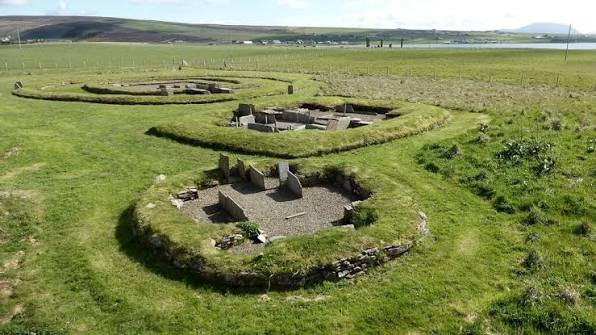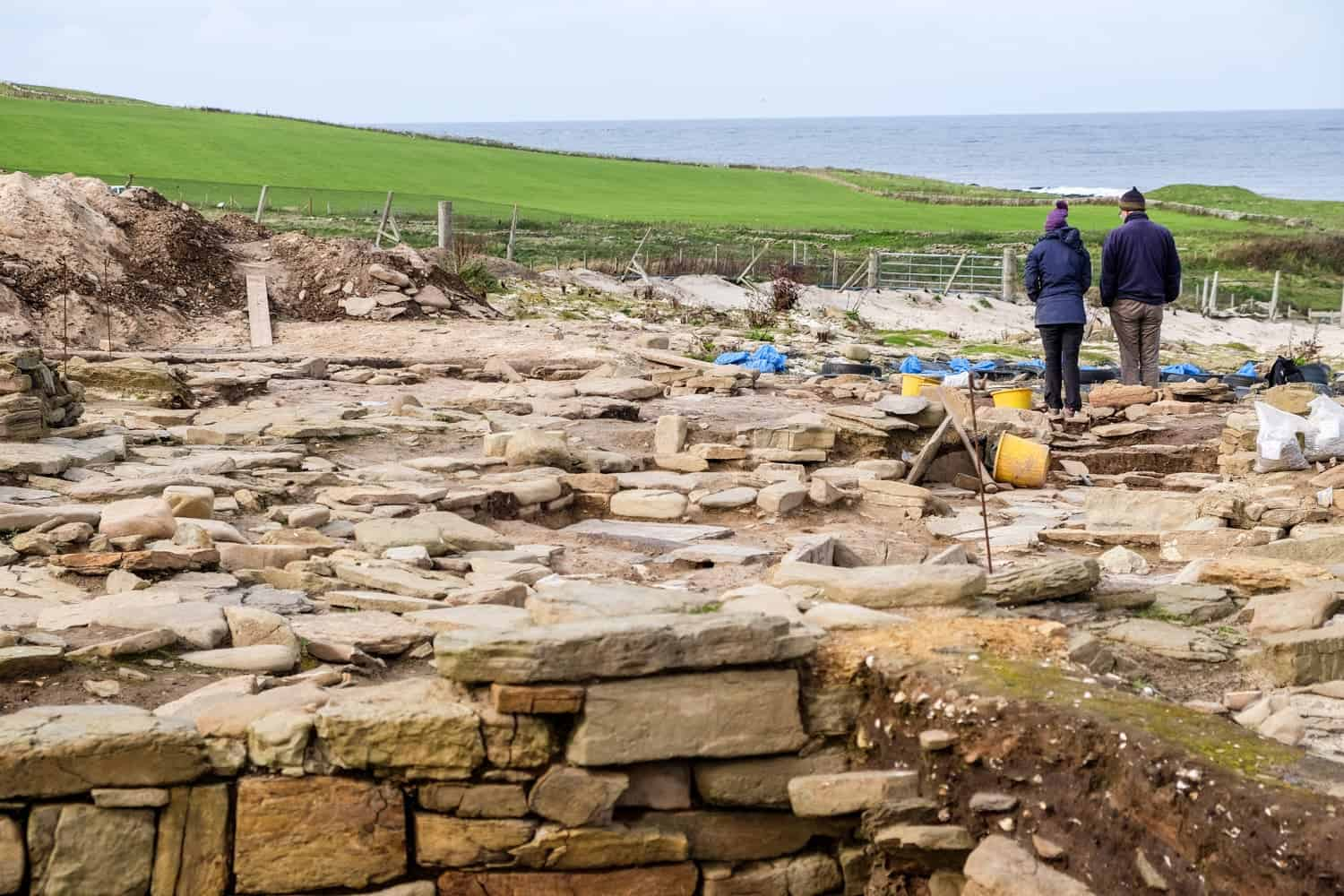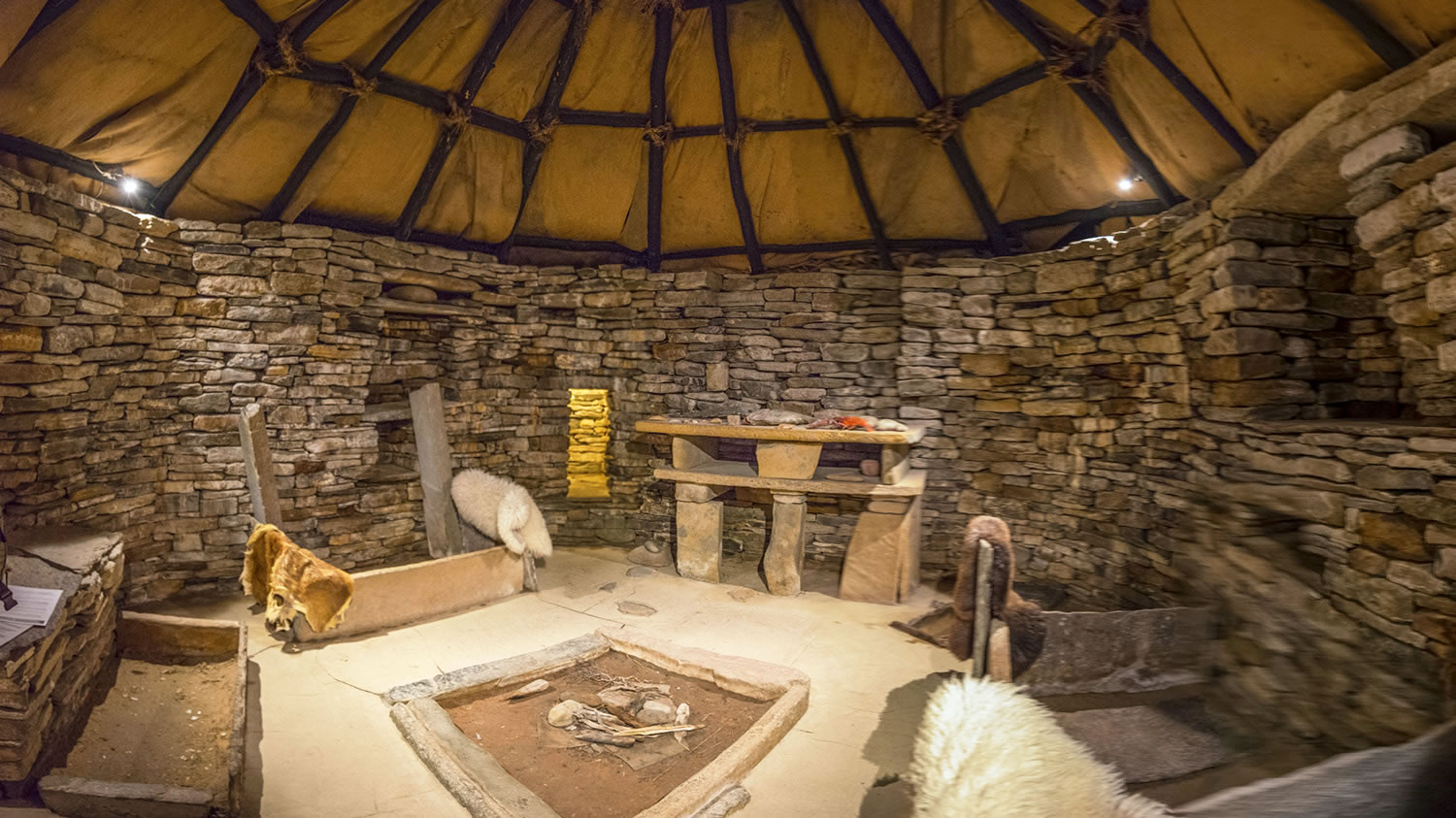
The Knowe of Yarso is a Neolithic chambered cairn on the island of Rousay in Orkney.
It belongs to the distinctive stalled cairn tradition found particularly in Orkney and northern Scotland.
The monument provides valuable evidence for prehistoric burial practices, architectural design, and the social importance of ancestors.
What Is a Stalled Cairn?
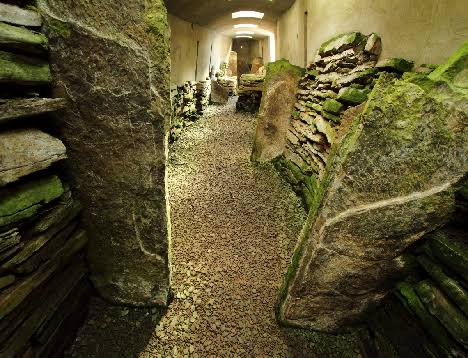
A stalled cairn contains a long chamber divided by upright stone slabs or “stalls.”
These stones create separate compartments within the main chamber.
The architecture resembles a series of internal bays.
The Purpose of the Stalls
The exact purpose of these divisions remains uncertain.
They may have:
separated groups of human remains;
organized burial deposits;
structured ritual movement;
or symbolically divided the chamber.
Collective Burial
The Knowe of Yarso contained numerous human remains.
This is consistent with the use of stalled cairns as collective burial monuments.
The individuals may have belonged to several generations of the same community.
Handling of Human Remains
Neolithic burial practices could be very different from modern customs.
Bodies may have been:
placed in tombs;
allowed to decompose;
rearranged;
and sometimes moved within the monument.
This suggests that the relationship with the dead was an ongoing process.
Ancestor Ritual
The cairn may have been used to maintain connections with deceased members of the community.
Ritual visits could reinforce:
lineage;
identity;
territorial relationships;
and collective memory.
Architecture
The monument's construction required carefully arranged stone.
The builders needed to create:
stable walls;
internal divisions;
a roof;
and an outer cairn.
The engineering knowledge involved was substantial.
Rousay's Neolithic Landscape
Knowe of Yarso is part of a remarkable concentration of prehistoric monuments on Rousay.
Other important sites include:
Taversoe Tuick;
Blackhammer;
and other chambered cairns.
This concentration suggests that the island had a significant prehistoric population and ceremonial tradition.
Farming and Food
The communities who built the cairn practiced agriculture and animal husbandry.
They raised livestock and cultivated cereals.
They also exploited the sea and wild resources.
Visibility and Landscape
The location of a burial monument could communicate its importance.
A cairn placed prominently in the landscape could act as:
a territorial marker;
an ancestral landmark;
and a reminder of community history.
Comparison With Other Tombs
Stalled cairns differ architecturally from:
Maeshowe-type tombs;
passage graves;
and other chambered monuments.
This diversity demonstrates that prehistoric Orkney contained multiple funerary traditions.
Why Knowe of Yarso Matters
The monument is valuable for studying:
collective burial;
architecture;
social organization;
ancestor traditions;
and regional cultural diversity.
Conclusion
Knowe of Yarso provides a remarkable glimpse into how Neolithic communities treated their dead.
Its internal stone stalls divided the chamber into organized spaces, while the monument itself transformed human remains into a permanent feature of the landscape.
Together with other tombs on Rousay, it demonstrates that Neolithic Orkney was home to sophisticated communities with diverse architectural and funerary traditions.
The Knowe of Yarso ultimately reminds us that prehistoric monuments were not simply structures of stone. They were places where communities expressed identity, remembered ancestors, and connected generations to the landscapes they inhabited.