• MAIN PAGE
  • LATEST NEWS
    • Lost Cities
    • Archaeology's Greatest Finds
    • Underwater Discoveries
    • Greatest Inventions
    • Studies
    • Blog
  • PHILOSOPHY
  • HISTORY
  • RELIGIONS
    • Africa
    • Anatolia
    • Arabian Peninsula
    • Balkan Region
    • China - East Asia
    • Europe
    • Eurasian Steppe
    • Levant
    • Mesopotamia
    • Oceania - SE Asia
    • Pre-Columbian Civilizations of America
    • Iranian Plateau - Central Asia
    • Indus Valley - South Asia
    • Japan
    • The Archaeologist Editor Group
    • Scientific Studies
    • Aegean Prehistory
    • Historical Period
    • Byzantine Middle Ages
    • Predynastic Period
    • Dynastic Period
    • Greco-Roman Egypt
  • Rome
  • PALEONTOLOGY
  • About us
Menu

The Archaeologist

  • MAIN PAGE
  • LATEST NEWS
  • DISCOVERIES
    • Lost Cities
    • Archaeology's Greatest Finds
    • Underwater Discoveries
    • Greatest Inventions
    • Studies
    • Blog
  • PHILOSOPHY
  • HISTORY
  • RELIGIONS
  • World Civilizations
    • Africa
    • Anatolia
    • Arabian Peninsula
    • Balkan Region
    • China - East Asia
    • Europe
    • Eurasian Steppe
    • Levant
    • Mesopotamia
    • Oceania - SE Asia
    • Pre-Columbian Civilizations of America
    • Iranian Plateau - Central Asia
    • Indus Valley - South Asia
    • Japan
    • The Archaeologist Editor Group
    • Scientific Studies
  • GREECE
    • Aegean Prehistory
    • Historical Period
    • Byzantine Middle Ages
  • Egypt
    • Predynastic Period
    • Dynastic Period
    • Greco-Roman Egypt
  • Rome
  • PALEONTOLOGY
  • About us

The Ancient Greek Concept of the Soul

January 2, 2026

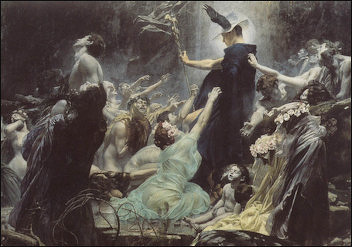
Ancient Greek philosophers developed some of the earliest theories about the soul, known as the psyche, shaping Western thought for centuries. Early beliefs saw the soul as a life force that left the body at death, often traveling to the underworld ruled by Hades.

Philosophers like Plato viewed the soul as immortal and divided into three parts: reason, spirit, and appetite. According to Plato, the soul existed before birth and sought to return to the world of perfect forms after death. Moral behavior helped purify the soul and free it from the cycle of rebirth.

Aristotle, on the other hand, believed the soul was inseparable from the body. He categorized souls into three types: vegetative (plants), sensitive (animals), and rational (humans). For Aristotle, the soul was the essence of living beings rather than an independent entity.

Mystery religions, such as Orphism, emphasized purification rituals and promised a blessed afterlife for followers. These ideas influenced later religious concepts of heaven, judgment, and salvation.

Greek debates about the soul shaped philosophy, psychology, and religious thought, forming the foundation for later Christian and Islamic ideas about human existence.


← The Jōmon Pottery of Ancient JapanThe Lost City of Çatalhöyük →
Featured
image_2026-01-02_154214698.png
Jan 2, 2026
The Mythical Phoenix Across Ancient Cultures
Jan 2, 2026
Read More →
Jan 2, 2026
image_2026-01-02_153752881.png
Jan 2, 2026
The First Chariots in Human History
Jan 2, 2026
Read More →
Jan 2, 2026
image_2026-01-02_153652162.png
Jan 2, 2026
The Jōmon Pottery of Ancient Japan
Jan 2, 2026
Read More →
Jan 2, 2026
image_2026-01-02_153238013.png
Jan 2, 2026
The Ancient Greek Concept of the Soul
Jan 2, 2026
Read More →
Jan 2, 2026
image_2026-01-02_153121480.png
Jan 2, 2026
The Lost City of Çatalhöyük
Jan 2, 2026
Read More →
Jan 2, 2026
image_2026-01-02_153036267.png
Jan 2, 2026
The Ancient Trade Networks of the Sahara
Jan 2, 2026
Read More →
Jan 2, 2026
read more

Powered by The archaeologist