• MAIN PAGE
  • LATEST NEWS
    • Lost Cities
    • Archaeology's Greatest Finds
    • Underwater Discoveries
    • Greatest Inventions
    • Studies
    • Blog
  • PHILOSOPHY
  • HISTORY
  • RELIGIONS
    • Africa
    • Anatolia
    • Arabian Peninsula
    • Balkan Region
    • China - East Asia
    • Europe
    • Eurasian Steppe
    • Levant
    • Mesopotamia
    • Oceania - SE Asia
    • Pre-Columbian Civilizations of America
    • Iranian Plateau - Central Asia
    • Indus Valley - South Asia
    • Japan
    • The Archaeologist Editor Group
    • Scientific Studies
    • Aegean Prehistory
    • Historical Period
    • Byzantine Middle Ages
    • Predynastic Period
    • Dynastic Period
    • Greco-Roman Egypt
  • Rome
  • PALEONTOLOGY
  • About us
Menu

The Archaeologist

  • MAIN PAGE
  • LATEST NEWS
  • DISCOVERIES
    • Lost Cities
    • Archaeology's Greatest Finds
    • Underwater Discoveries
    • Greatest Inventions
    • Studies
    • Blog
  • PHILOSOPHY
  • HISTORY
  • RELIGIONS
  • World Civilizations
    • Africa
    • Anatolia
    • Arabian Peninsula
    • Balkan Region
    • China - East Asia
    • Europe
    • Eurasian Steppe
    • Levant
    • Mesopotamia
    • Oceania - SE Asia
    • Pre-Columbian Civilizations of America
    • Iranian Plateau - Central Asia
    • Indus Valley - South Asia
    • Japan
    • The Archaeologist Editor Group
    • Scientific Studies
  • GREECE
    • Aegean Prehistory
    • Historical Period
    • Byzantine Middle Ages
  • Egypt
    • Predynastic Period
    • Dynastic Period
    • Greco-Roman Egypt
  • Rome
  • PALEONTOLOGY
  • About us

The Mythical Phoenix Across Ancient Cultures

January 2, 2026

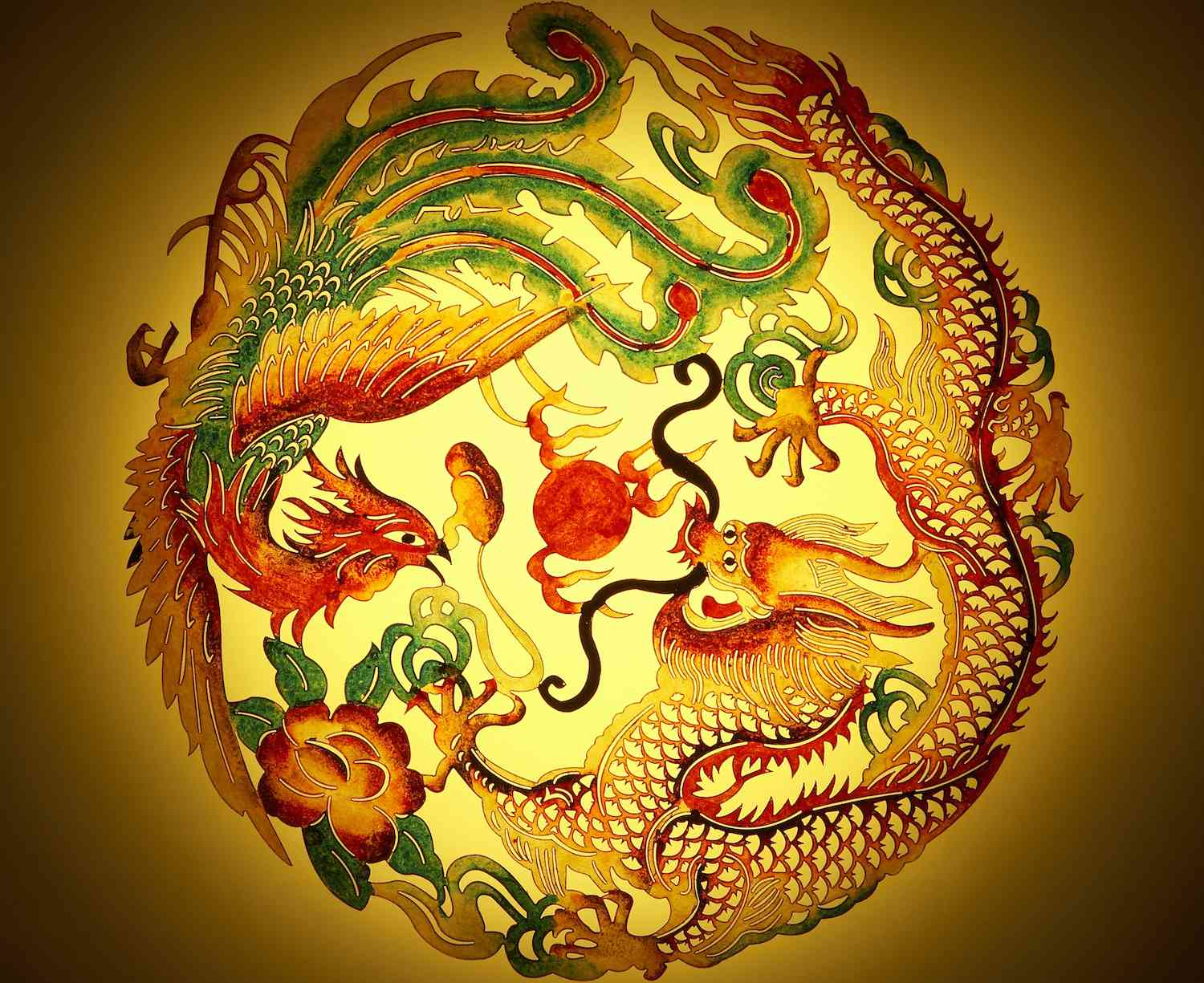
The phoenix is a mythical bird associated with death and rebirth across many ancient civilizations. In ancient Egypt, the Bennu bird symbolized the sun god Ra and renewal after destruction.

Greek mythology described the phoenix as a bird that lived for centuries before burning itself and rising again from its ashes. This image became a powerful symbol of immortality and renewal. In China, the fenghuang represented harmony, virtue, and cosmic balance.

Despite cultural differences, the phoenix myth reflects a shared human fascination with renewal, resilience, and the cycle of life.


← Significant finds continue to be discoveredThe First Chariots in Human History →
Featured
image_2026-04-10_222727195.png
Apr 10, 2026
Cleopatra’s Final Resting Place: Is the Search Nearing Its End?
Apr 10, 2026
Read More →
Apr 10, 2026
image_2026-04-10_222617220.png
Apr 10, 2026
Roman Concrete: The “Self-Healing” Secret
Apr 10, 2026
Read More →
Apr 10, 2026
image_2026-04-10_222513958.png
Apr 10, 2026
The Minoan “Labyrinth”: Was Knossos a Palace or a Giant Necropolis?
Apr 10, 2026
Read More →
Apr 10, 2026
image_2026-04-10_222330977.png
Apr 10, 2026
Akrotiri vs. Pompeii: Two Cities Frozen in Time
Apr 10, 2026
Read More →
Apr 10, 2026
image_2026-04-10_222204397.png
Apr 10, 2026
The Secret Life of Gladiators: What Bones Reveal
Apr 10, 2026
Read More →
Apr 10, 2026
image_2026-04-10_222122420.png
Apr 10, 2026
Pavlopetri: Exploring the Oldest Submerged City
Apr 10, 2026
Read More →
Apr 10, 2026
read more

Powered by The archaeologist