• MAIN PAGE
  • LATEST NEWS
    • Lost Cities
    • Archaeology's Greatest Finds
    • Underwater Discoveries
    • Greatest Inventions
    • Studies
    • Blog
  • PHILOSOPHY
  • HISTORY
  • RELIGIONS
    • Africa
    • Anatolia
    • Arabian Peninsula
    • Balkan Region
    • China - East Asia
    • Europe
    • Eurasian Steppe
    • Levant
    • Mesopotamia
    • Oceania - SE Asia
    • Pre-Columbian Civilizations of America
    • Iranian Plateau - Central Asia
    • Indus Valley - South Asia
    • Japan
    • The Archaeologist Editor Group
    • Scientific Studies
    • Aegean Prehistory
    • Historical Period
    • Byzantine Middle Ages
    • Predynastic Period
    • Dynastic Period
    • Greco-Roman Egypt
  • Rome
  • PALEONTOLOGY
  • About us
Menu

The Archaeologist

  • MAIN PAGE
  • LATEST NEWS
  • DISCOVERIES
    • Lost Cities
    • Archaeology's Greatest Finds
    • Underwater Discoveries
    • Greatest Inventions
    • Studies
    • Blog
  • PHILOSOPHY
  • HISTORY
  • RELIGIONS
  • World Civilizations
    • Africa
    • Anatolia
    • Arabian Peninsula
    • Balkan Region
    • China - East Asia
    • Europe
    • Eurasian Steppe
    • Levant
    • Mesopotamia
    • Oceania - SE Asia
    • Pre-Columbian Civilizations of America
    • Iranian Plateau - Central Asia
    • Indus Valley - South Asia
    • Japan
    • The Archaeologist Editor Group
    • Scientific Studies
  • GREECE
    • Aegean Prehistory
    • Historical Period
    • Byzantine Middle Ages
  • Egypt
    • Predynastic Period
    • Dynastic Period
    • Greco-Roman Egypt
  • Rome
  • PALEONTOLOGY
  • About us

The Ancient Trade Networks of the Sahara

January 2, 2026

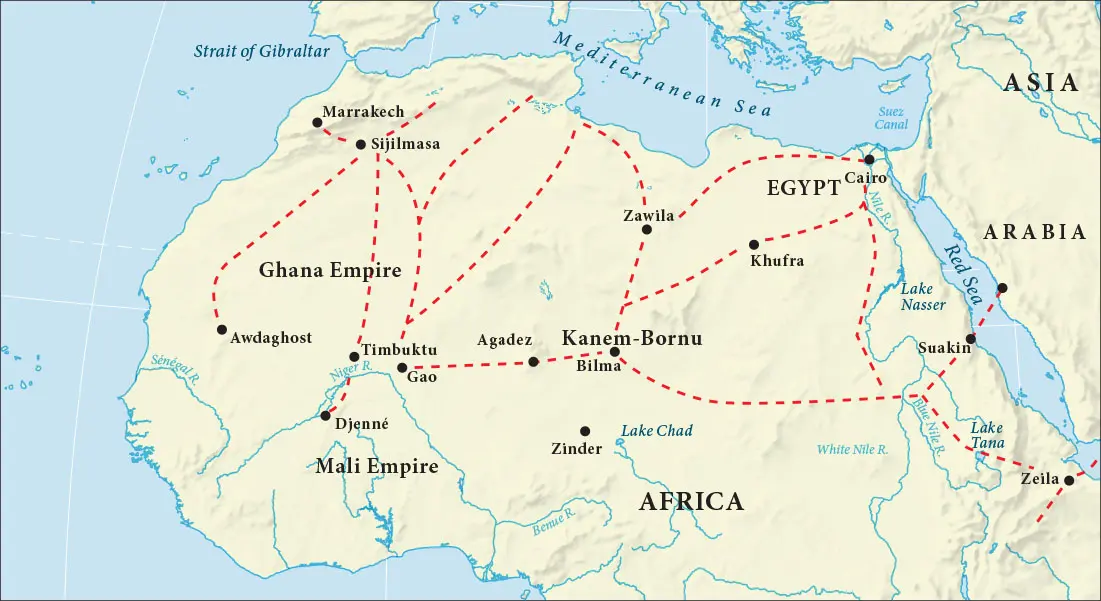
The Sahara Desert, though harsh and seemingly impassable, was once a vital region of long-distance trade connecting North Africa with sub-Saharan civilizations. Ancient trade networks across the Sahara enabled the exchange of goods, ideas, and cultures long before the rise of medieval trans-Saharan trade routes.

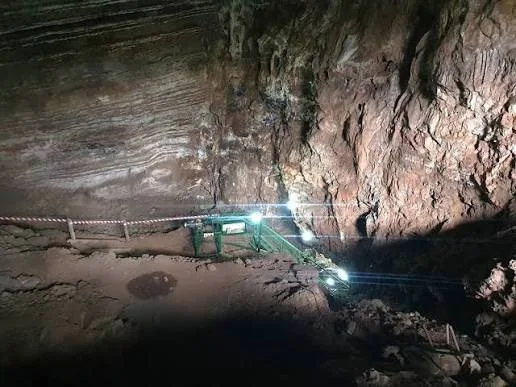
One of the most important civilizations involved in early Saharan trade was the Garamantes, who lived in present-day Libya. They developed underground irrigation systems called foggaras, allowing them to farm in arid conditions. This agricultural surplus supported caravan trade across the desert.

Trade goods included gold, salt, ivory, animal skins, and slaves, which were exchanged for Mediterranean products such as wine, ceramics, metal tools, and textiles. Salt was especially valuable, as it was essential for food preservation and human survival. Caravans used camels, which were perfectly adapted to desert travel, enabling longer journeys with heavier loads.

These trade routes were not just economic pathways but also cultural bridges. They facilitated the spread of technologies, religious beliefs, artistic styles, and political ideas between Africa and the Mediterranean world. Rock art and archaeological remains suggest frequent movement of people across regions once thought isolated.

The ancient Saharan trade networks demonstrate that Africa was deeply connected to global history and played an active role in early economic systems rather than being isolated or passive.
← The Lost City of ÇatalhöyükThe Medicine of Ancient Egypt →
Featured
image_2026-04-10_222727195.png
Apr 10, 2026
Cleopatra’s Final Resting Place: Is the Search Nearing Its End?
Apr 10, 2026
Read More →
Apr 10, 2026
image_2026-04-10_222617220.png
Apr 10, 2026
Roman Concrete: The “Self-Healing” Secret
Apr 10, 2026
Read More →
Apr 10, 2026
image_2026-04-10_222513958.png
Apr 10, 2026
The Minoan “Labyrinth”: Was Knossos a Palace or a Giant Necropolis?
Apr 10, 2026
Read More →
Apr 10, 2026
image_2026-04-10_222330977.png
Apr 10, 2026
Akrotiri vs. Pompeii: Two Cities Frozen in Time
Apr 10, 2026
Read More →
Apr 10, 2026
image_2026-04-10_222204397.png
Apr 10, 2026
The Secret Life of Gladiators: What Bones Reveal
Apr 10, 2026
Read More →
Apr 10, 2026
image_2026-04-10_222122420.png
Apr 10, 2026
Pavlopetri: Exploring the Oldest Submerged City
Apr 10, 2026
Read More →
Apr 10, 2026
read more

Powered by The archaeologist