• MAIN PAGE
  • LATEST NEWS
    • Lost Cities
    • Archaeology's Greatest Finds
    • Underwater Discoveries
    • Greatest Inventions
    • Studies
    • Blog
  • PHILOSOPHY
  • HISTORY
  • RELIGIONS
    • Africa
    • Anatolia
    • Arabian Peninsula
    • Balkan Region
    • China - East Asia
    • Europe
    • Eurasian Steppe
    • Levant
    • Mesopotamia
    • Oceania - SE Asia
    • Pre-Columbian Civilizations of America
    • Iranian Plateau - Central Asia
    • Indus Valley - South Asia
    • Japan
    • The Archaeologist Editor Group
    • Scientific Studies
    • Aegean Prehistory
    • Historical Period
    • Byzantine Middle Ages
    • Predynastic Period
    • Dynastic Period
    • Greco-Roman Egypt
  • Rome
  • PALEONTOLOGY
  • About us
Menu

The Archaeologist

  • MAIN PAGE
  • LATEST NEWS
  • DISCOVERIES
    • Lost Cities
    • Archaeology's Greatest Finds
    • Underwater Discoveries
    • Greatest Inventions
    • Studies
    • Blog
  • PHILOSOPHY
  • HISTORY
  • RELIGIONS
  • World Civilizations
    • Africa
    • Anatolia
    • Arabian Peninsula
    • Balkan Region
    • China - East Asia
    • Europe
    • Eurasian Steppe
    • Levant
    • Mesopotamia
    • Oceania - SE Asia
    • Pre-Columbian Civilizations of America
    • Iranian Plateau - Central Asia
    • Indus Valley - South Asia
    • Japan
    • The Archaeologist Editor Group
    • Scientific Studies
  • GREECE
    • Aegean Prehistory
    • Historical Period
    • Byzantine Middle Ages
  • Egypt
    • Predynastic Period
    • Dynastic Period
    • Greco-Roman Egypt
  • Rome
  • PALEONTOLOGY
  • About us
No results found

The Ancient Greeks Who Impressed Audiences in the Colosseum and Defeated Their Opponents with Pankration – They Became Famous and Rich

April 1, 2025

The finest athletes of ancient Greece were already trained in hand-to-hand combat.

There are indications that Greek athletes, particularly pankratiasts and boxers, participated as gladiators in Roman arenas, either for money, or because they were captured or forced into it.

When Rome conquered Greece, the Romans were amazed by the Greeks’ martial arts, especially pankration (a brutal form of wrestling-boxing). Some former Olympic champions or Panhellenic athletes were recruited or persuaded to become gladiators due to their fame and strength.

The Roman writer Juvenal mentions that "Greek athletes, who gained glory at Olympia, ended up fighting as gladiators for the entertainment of the Romans."

Pankration was so violent that it was often compared to gladiatorial combat. The Romans adopted this martial art and trained gladiators in similar techniques.

Some pankratiasts and boxers were either captured and forced to fight, or persuaded by the Romans to join the arenas as professional gladiators, offered money and fame.

The best athletes of ancient Greece were already trained in hand-to-hand combat, which made them ideal candidates for the gladiatorial games.

Callias of Rhodes is cited as one of the toughest pankratiasts, who likely participated in Roman arenas.

Cleitus of Rhodes is rumored to have been called to compete in a Roman arena after his victories in Greek competitions.

Reports suggest that Roman gladiators were trained by Greek pankratiasts because of their expertise in unarmed combat.
← Lost Manuscript of the King Arthur Legend Hidden Inside Another BookAI Uncovers a 5,000-Year-Old Civilization Beneath the Arabian Desert →
Featured
images - 2026-10-28T160148.000.jpeg
October 28, 2026
Invisible Field Boundaries: Detecting Ancient Hedgerows with LiDAR
October 28, 2026
Read more →
October 28, 2026
images - 2026-10-28T160035.775.jpeg
October 28, 2026
Paleo-lakeside Cemeteries: Burials at Vanished Shorelines
October 28, 2026
Read more →
October 28, 2026
images+-+2026-10-17T225136.482.webp
October 28, 2026
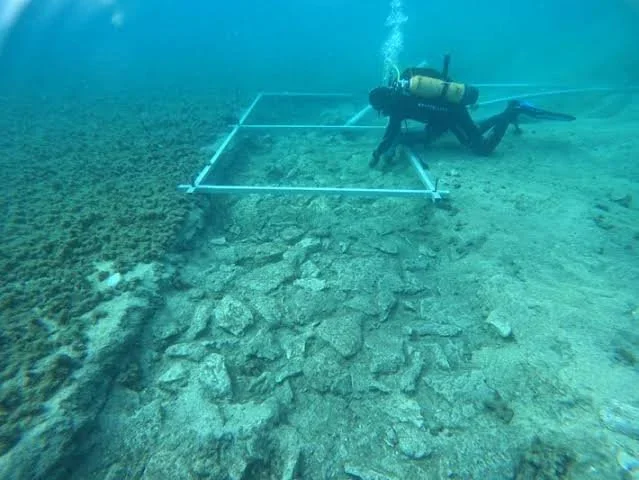
Submerged Neolithic Causeways in the English Channel
October 28, 2026
Read more →
October 28, 2026
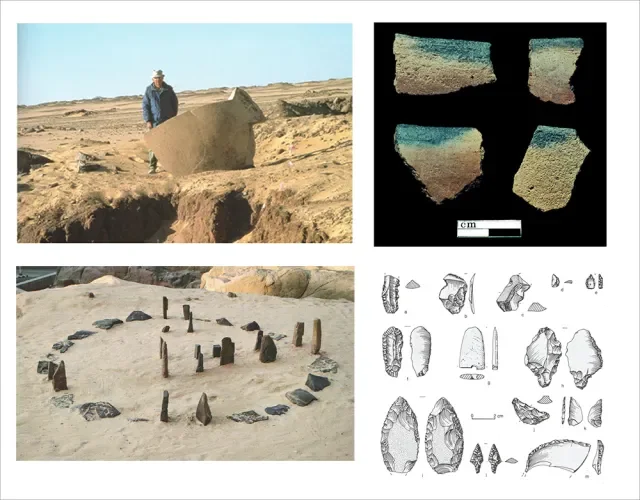
nabta-aggregate.webp
October 28, 2026
The Archaeology of Nightwatch Posts: Small Guard Stations and Social Order
October 28, 2026
Read more →
October 28, 2026
images - 2026-10-28T155920.814.jpeg
October 28, 2026
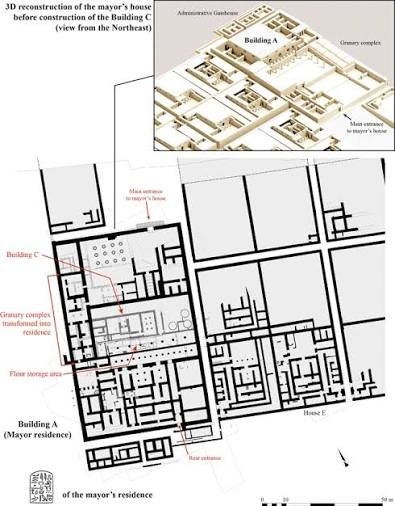
Reconstructing Ancient Roadside Inns from Faunal and Ceramic Data
October 28, 2026
Read more →
October 28, 2026
mascaras-de-ceramica-3.webp
October 28, 2026
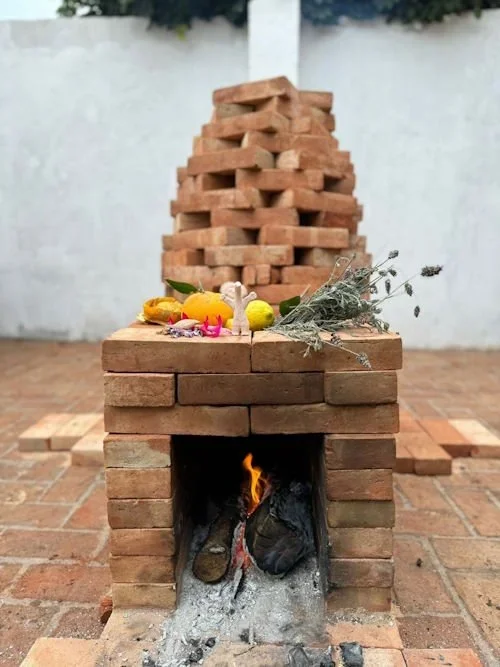
Small-Scale Brick Kilns: Household Ceramic Production in Hinterlands
October 28, 2026
Read more →
October 28, 2026
read more

Powered by The archaeologist