Words Reserved for the Sacred
In many ancient civilizations, language was more than a tool for communication—it was a powerful instrument of religion, authority, and mystery. Certain words, phrases, and even entire languages were reserved for priests and religious specialists. These sacred vocabularies formed secret linguistic systems used in rituals, ceremonies, and spiritual teachings.
By controlling these languages, priesthoods preserved knowledge that was considered too powerful or too sacred for everyday use.
Ritual Languages and Sacred Speech
Ancient priests often spoke or recited prayers in languages that ordinary people did not fully understand. These ritual languages sometimes represented older forms of speech preserved long after they disappeared from everyday conversation.
This separation created a sense of reverence and mystery during ceremonies. When sacred words were spoken, listeners believed they carried divine power capable of communicating with gods or spiritual forces.
In some traditions, the exact pronunciation of ritual words was believed to influence their effectiveness, making precise recitation essential.
Codes Hidden Within Religious Texts
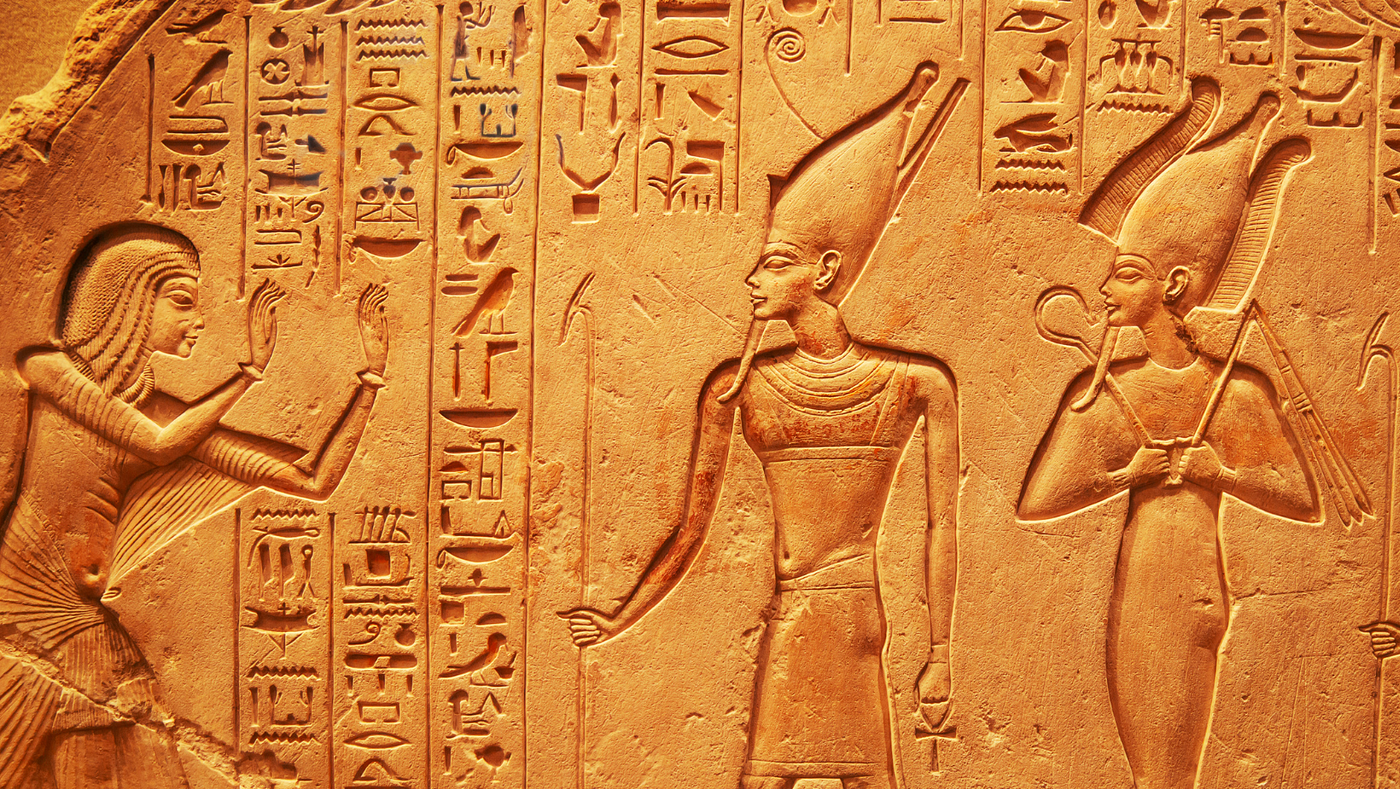
Beyond special vocabularies, some priesthoods used coded writing systems to record sacred knowledge.
These texts might include symbolic language, layered meanings, or metaphors that only trained initiates could interpret. Religious instruction therefore required years of study before a student could fully understand the teachings.
By embedding knowledge within symbolic language, ancient scholars ensured that sacred teachings were preserved without being easily misused.
Preserving Knowledge Across Generations
Secret languages also served a practical purpose: protecting knowledge across centuries.
Priests acted as guardians of religious traditions, historical records, and scientific observations. By keeping certain teachings within their institutions, they created systems that passed knowledge from teacher to student through careful training.
This approach allowed religious communities to maintain continuity even during times of political change or cultural upheaval.
The Power of Sacred Language
To ancient societies, words were not merely descriptive—they were believed to shape reality itself. Ritual chants, prayers, and sacred names were thought to influence the natural and spiritual worlds.
Because of this belief, language became a sacred tool requiring discipline and respect.
Echoes in Modern Traditions
Even today, many religious traditions maintain sacred languages used in ceremonies and prayers. These traditions preserve the ancient idea that certain words carry spiritual meaning beyond ordinary speech.
The secret languages of ancient priesthoods remind us that language has long been intertwined with faith, power, and the preservation of knowledge.