Symbols of Power and Prestige
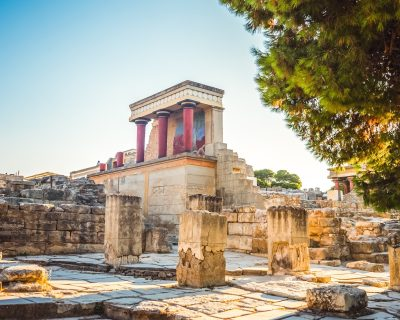
Ancient palaces were more than luxurious residences. They were political centers, cultural landmarks, and powerful symbols of authority.
These massive structures required extraordinary planning, engineering, and artistic skill—yet the identities of the people who designed and built them are often unknown.
Engineering on a Monumental Scale
Constructing early palaces demanded impressive technical knowledge.
Builders had to plan complex layouts, transport massive materials, and create durable structures that could support large halls, courtyards, and ceremonial spaces.
Without modern tools or machinery, ancient engineers relied on clever techniques involving ramps, pulleys, and coordinated labor.
Artistic Mastery
Palaces were also showcases of artistic achievement.
Walls were decorated with detailed carvings, paintings, and relief sculptures. These artworks often depicted royal ceremonies, military victories, and mythological scenes that celebrated the power of the ruling elite.
Every design element served both aesthetic and symbolic purposes.
Who Built These Structures?
Although kings and rulers commissioned these buildings, the true architects were skilled craftsmen, engineers, and artisans.
These specialists may have belonged to organized guilds or worked within royal workshops supported by the palace itself.
Their expertise allowed them to create structures that would stand for centuries.
Cultural and Political Centers
Ancient palaces often served as administrative hubs where officials managed trade, diplomacy, and taxation.
Within their walls, decisions were made that shaped entire kingdoms.
At the same time, ceremonial halls hosted rituals and celebrations that reinforced the ruler’s authority.
Monuments to Human Ingenuity
Even today, ancient palaces inspire awe. Their scale and craftsmanship reveal the remarkable abilities of early builders.
Though the architects themselves remain largely anonymous, their creations continue to tell the story of human ambition, creativity, and political power.