• MAIN PAGE
  • LATEST NEWS
    • Lost Cities
    • Archaeology's Greatest Finds
    • Underwater Discoveries
    • Greatest Inventions
    • Studies
    • Blog
  • PHILOSOPHY
  • HISTORY
  • RELIGIONS
    • Africa
    • Anatolia
    • Arabian Peninsula
    • Balkan Region
    • China - East Asia
    • Europe
    • Eurasian Steppe
    • Levant
    • Mesopotamia
    • Oceania - SE Asia
    • Pre-Columbian Civilizations of America
    • Iranian Plateau - Central Asia
    • Indus Valley - South Asia
    • Japan
    • The Archaeologist Editor Group
    • Scientific Studies
    • Aegean Prehistory
    • Historical Period
    • Byzantine Middle Ages
    • Predynastic Period
    • Dynastic Period
    • Greco-Roman Egypt
  • Rome
  • PALEONTOLOGY
  • About us
Menu

The Archaeologist

  • MAIN PAGE
  • LATEST NEWS
  • DISCOVERIES
    • Lost Cities
    • Archaeology's Greatest Finds
    • Underwater Discoveries
    • Greatest Inventions
    • Studies
    • Blog
  • PHILOSOPHY
  • HISTORY
  • RELIGIONS
  • World Civilizations
    • Africa
    • Anatolia
    • Arabian Peninsula
    • Balkan Region
    • China - East Asia
    • Europe
    • Eurasian Steppe
    • Levant
    • Mesopotamia
    • Oceania - SE Asia
    • Pre-Columbian Civilizations of America
    • Iranian Plateau - Central Asia
    • Indus Valley - South Asia
    • Japan
    • The Archaeologist Editor Group
    • Scientific Studies
  • GREECE
    • Aegean Prehistory
    • Historical Period
    • Byzantine Middle Ages
  • Egypt
    • Predynastic Period
    • Dynastic Period
    • Greco-Roman Egypt
  • Rome
  • PALEONTOLOGY
  • About us

Divine Kingship: When Rulers Were Seen as Gods

March 13, 2026

Power Beyond the Throne

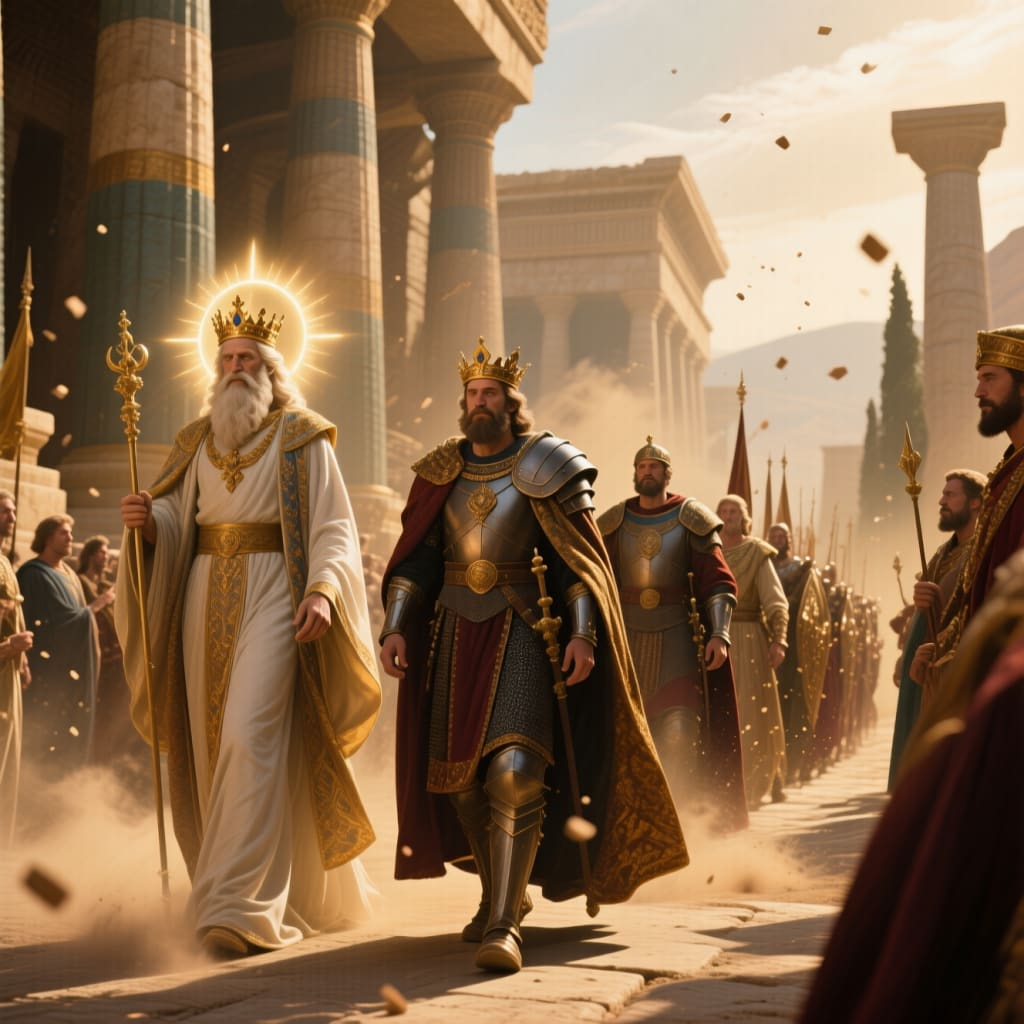
In many ancient societies, kings were not viewed as ordinary human leaders. Instead, they were believed to possess divine authority or even be living gods. This concept—known as divine kingship—shaped politics, religion, and social order across several early civilizations.

From the monumental pyramids of ancient Egypt to the sacred temples of Mesoamerica, rulers often stood at the center of both government and spiritual life.

Pharaohs and the Divine Order

In Ancient Egypt, the pharaoh was believed to be a divine figure chosen by the gods to maintain cosmic balance.

Egyptians believed the pharaoh served as the earthly representative of the god Horus during life and became associated with Osiris after death. This sacred role meant that ruling was not simply a political duty—it was a religious responsibility to preserve harmony between the heavens and the Earth.

Massive monuments, temples, and burial complexes reinforced the idea that the pharaoh possessed supernatural authority.

Sacred Kings in Mesopotamia

In Mesopotamia, rulers were not always considered gods themselves, but they were believed to govern with divine approval.

Kings often claimed that major gods had chosen them to rule and guide their cities. Temples and palaces worked closely together, and religious ceremonies reinforced the king’s sacred legitimacy.

By presenting themselves as protectors of divine order, rulers strengthened their authority over their subjects.

God-Kings of the Americas

In ancient civilizations of Mesoamerica, rulers also held powerful spiritual roles.

Kings were often seen as intermediaries between humans and the gods. Through elaborate rituals, sacrifices, and ceremonies, they maintained the balance of the universe.

Royal bloodlines were believed to carry sacred power, reinforcing the belief that leadership came directly from divine forces.

Why Divine Kingship Worked

Divine kingship provided stability for early societies.

If rulers were believed to be chosen by the gods—or even part divine themselves—then their authority became unquestionable. This belief discouraged rebellion and helped unify large populations under a single leader.

Religion and politics therefore became deeply intertwined.

The Legacy of Sacred Rulers

Though modern governments rarely claim divine authority, echoes of divine kingship remain in cultural traditions and historical memory.

The idea that leadership carries a sacred responsibility continues to influence how societies think about power, duty, and legitimacy.
← The Mysterious Architects of Ancient PalacesThe Forgotten Sea Peoples: Raiders of the Ancient World →
Featured
image_2026-03-12_232439795.png
Mar 13, 2026
The Mysterious Architects of Ancient Palaces
Mar 13, 2026
Read More →
Mar 13, 2026
image_2026-03-12_232356896.png
Mar 13, 2026
Divine Kingship: When Rulers Were Seen as Gods
Mar 13, 2026
Read More →
Mar 13, 2026
image_2026-03-12_232211099.png
Mar 13, 2026
The Forgotten Sea Peoples: Raiders of the Ancient World
Mar 13, 2026
Read More →
Mar 13, 2026
image_2026-03-12_232026356.png
Mar 13, 2026
The Origins of Sacred Geometry
Mar 13, 2026
Read More →
Mar 13, 2026
image_2026-03-12_231941982.png
Mar 13, 2026
Buried Temples Beneath Modern Cities
Mar 13, 2026
Read More →
Mar 13, 2026
image_2026-03-12_231845648.png
Mar 13, 2026
The Secret Languages of the Ancient Priesthoods
Mar 13, 2026
Read More →
Mar 13, 2026
read more

Powered by The archaeologist