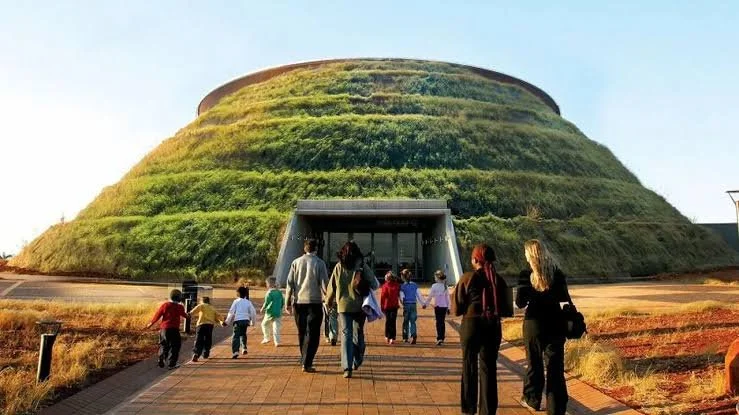
High above valleys and plains, ancient builders raised temples where earth seemed to touch the sky. These mountaintop sanctuaries were dedicated to deities of thunder, lightning, wind, and rain. Their altitude was never random. Height itself shaped belief, ritual, and architecture in profound ways, transforming geography into theology.
Sacred Peaks and Storm Deities
In ancient Greece, offerings were made to Zeus, ruler of thunder and lightning, on elevated shrines that symbolically placed worshippers closer to his celestial realm. Storm gods were often imagined as dwelling above the clouds, and mountains naturally represented their throne.
Across Mesoamerica, the rain god Tlaloc was honored in temples built on high peaks. Archaeologists have uncovered offerings buried in mountain summits, including ceramics, jade, and even sacrificial remains, left to secure rainfall and agricultural abundance. These rituals were not symbolic alone—they were deeply tied to survival in societies dependent on seasonal rains.
In the Andes, ceremonial platforms were constructed in extreme high-altitude environments where weather conditions were unpredictable and intense. The physical danger of these places reinforced the belief that gods of storms and skies commanded immense power.
Why Altitude Mattered
Mountaintops offered sweeping visibility across the landscape. Priests could observe approaching storm fronts, cloud formations, and lightning strikes, interpreting them as divine signs. The closeness to the sky created a psychological sense of sacred proximity.
Climbing to these temples required endurance and devotion. Pilgrims often undertook long, difficult journeys, turning the ascent itself into a spiritual act. The thin air, strong winds, and cold temperatures heightened emotional intensity, making rituals feel transformative and unforgettable.
Rituals in the Realm of Clouds
Excavations at high-altitude sanctuaries reveal evidence of fire pits, ceremonial platforms, and offerings deliberately placed in exposed locations. Some rituals were timed with seasonal weather patterns, aligning worship with the agricultural calendar.
These sky temples reveal that ancient religion was inseparable from landscape. Mountains were not just elevated ground—they were living symbols of cosmic connection, places where humanity reached upward in hope, fear, and reverence.