At the end of the last Ice Age, rising sea levels dramatically reshaped the planet. Vast coastal plains disappeared beneath expanding oceans, taking entire landscapes—and possibly settlements—with them.
The Drowned Worlds of the Ice Age
Between 12,000 and 8,000 years ago, melting glaciers caused global sea levels to rise by more than 100 meters. Areas that were once habitable grasslands are now underwater.
One such region is Doggerland, which once connected Britain to mainland Europe. Archaeological finds from the seabed suggest it supported human communities before being gradually flooded.
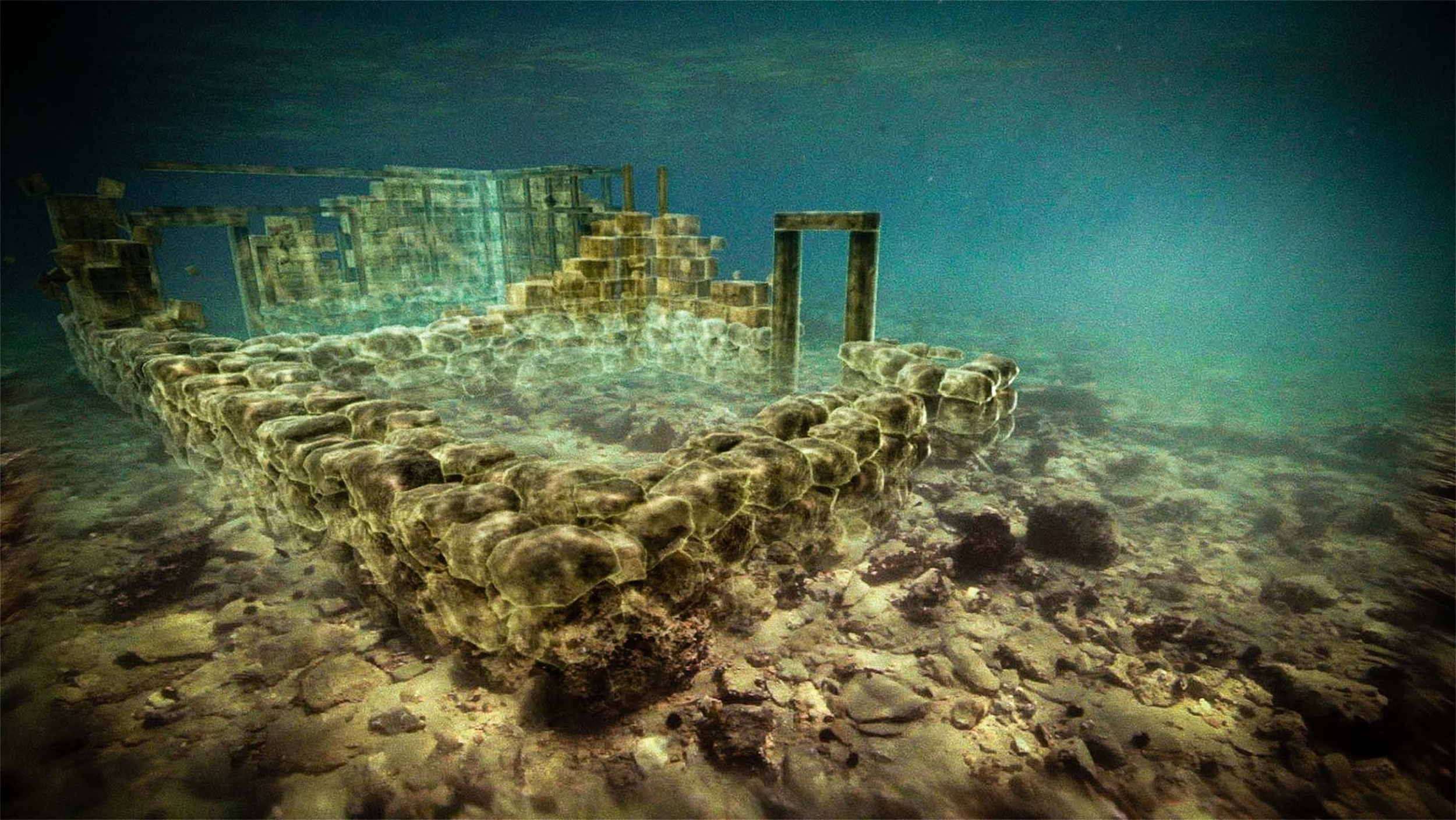
In the Mediterranean, underwater ruins near Heracleion reveal how natural disasters and rising waters reshaped ancient coastlines.
Off the coast of India, structures discovered near Dwarka have sparked debate about submerged settlements linked to ancient tradition.
What These Sites Tell Us
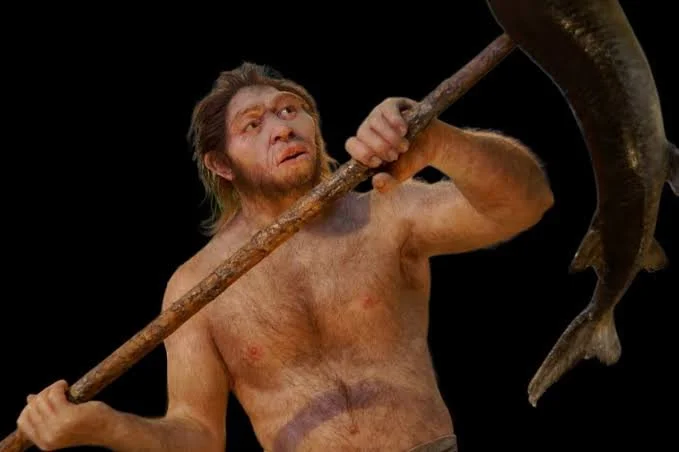
These underwater landscapes suggest that early humans often settled along coastlines—areas now lost to the sea. Fishing, trade, and transportation would have made these regions attractive hubs of activity.
Modern underwater archaeology continues to uncover tools, walls, and pathways hidden beneath layers of sediment. Each discovery expands our understanding of early human migration and adaptation.
The oceans may seem timeless, but beneath their surface lie chapters of history still waiting to be read.