Nightwatch posts were small installations used to observe movement, protect property, monitor entrances, and provide warning when danger approached. In ancient and historical communities, the need to maintain security did not disappear when daylight ended. Settlements, roads, harbors, agricultural areas, and administrative centers could require observation after dark, particularly where theft, conflict, or unauthorized movement was a concern. Archaeologically identifying a nightwatch post is challenging because such installations may have consisted of simple shelters, raised platforms, small rooms, or reused buildings rather than substantial fortifications. Their significance lies in what they can reveal about the organization of security and the maintenance of social order.
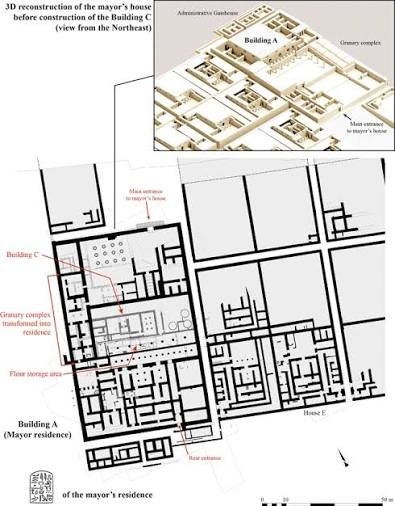
The design of a guard station depended on the environment it monitored. A post near a settlement entrance might provide a view of people approaching along a road, while a station overlooking a harbor could allow observers to monitor vessels and waterfront activity. Posts situated on hills or ridges might offer broad visibility across a valley or agricultural landscape. In densely built settlements, guards could occupy small rooms near gates, walls, storehouses, or administrative buildings. These different arrangements demonstrate that security infrastructure was adapted to local needs rather than following a universal architectural pattern.
Archaeologists must distinguish possible guard stations from other small structures. A building near a road could have served as a shelter, storage room, workshop, shrine, or residence. A raised platform might have been used for observation, but it could also have supported a signal device or formed part of another installation. The interpretation becomes stronger when the structure occupies a strategically useful location and contains evidence consistent with repeated human presence. Entrance arrangements, sightlines, access routes, hearths, and associated artifacts can help researchers evaluate its likely function. Even then, the identification of a specific building as a nightwatch post may remain provisional.
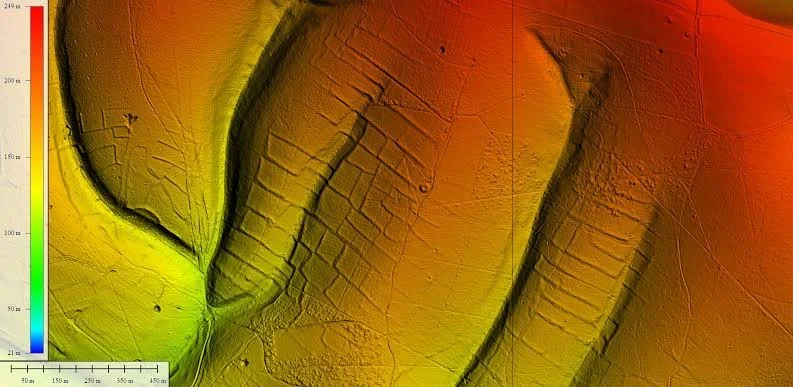
The position of a structure can provide important clues about its purpose. Visibility studies allow researchers to reconstruct what a person standing at a particular point could have observed. Digital terrain models, archaeological mapping, and viewshed analysis can help determine whether a proposed station overlooked a road, gate, harbor, or vulnerable section of a settlement. However, modern vegetation, buildings, and landscape changes must be taken into account. A location that appears unsuitable today may have offered excellent visibility in the past, while a modern open view may not reflect ancient conditions.
Artifacts found inside or around a possible guard station may help reconstruct the activities carried out there. Small cooking vessels, lamps, drinking containers, and food remains could indicate that personnel spent extended periods at the post. Tools, writing materials, weights, or administrative objects might suggest that guards recorded movements, managed supplies, or performed duties beyond simple observation. Weapons or protective equipment could support a security-related interpretation, but such objects are not exclusive to guards. Soldiers, travelers, residents, and workers could carry similar items, so artifacts must be assessed within their archaeological context.
Portable lighting would have been particularly important for nightwatch duties. Oil lamps, torches, or other light sources could illuminate entrances, work areas, or enclosed spaces. Yet excessive light could also reduce the ability to observe movement beyond the immediate area. Guards may have needed to balance the visibility of their own surroundings with the need to detect approaching people. Archaeological remains of lamps, fuel containers, or soot deposits can suggest the use of lighting, although they cannot independently establish nighttime surveillance. Experimental reconstruction may help explore how different lighting arrangements affected visibility and the practical operation of a small station.
The organization of a nightwatch system can reveal broader aspects of social order. Some communities may have relied on informal neighborhood watches, while others maintained guards appointed by local authorities or larger political institutions. A fortified city might assign personnel to gates and walls, whereas a rural estate could depend on workers responsible for protecting livestock, crops, and storage facilities. The presence of several strategically positioned posts could suggest coordinated surveillance, but it does not automatically establish a centralized command structure. Researchers must consider the settlement's size, political history, and other evidence of administration before reconstructing how security responsibilities were assigned.
Nightwatch posts may also have been connected to communication systems. Guards could raise alarms, use horns, ring bells, display lights, or send messengers when they observed suspicious activity. In some settings, a sequence of observation points could allow warnings to travel across a larger landscape. Archaeologists may investigate this possibility by studying the visibility between locations, the spacing of structures, and the presence of communication-related objects. However, an uninterrupted chain of visible posts does not necessarily prove that a formal signaling network existed. The system's operation would need to be supported by historical records, consistent archaeological patterns, or other evidence.
The relationship between nightwatch posts and local populations was not necessarily limited to protection. Guards could also monitor movement, enforce curfews, collect information, or regulate access to resources. At ports and settlement entrances, observation might have supported taxation or the control of goods. On estates, guards could protect stored harvests and livestock while also restricting unauthorized access. Such functions demonstrate that security and administration were often intertwined. Nevertheless, archaeological evidence rarely reveals the exact legal authority of a guard or the attitudes of the people being monitored.
The construction and maintenance of small security installations required resources. Even a modest post needed a stable location, access to water or supplies, and periodic repair. If guards remained on duty for extended periods, they may have required shelter, fuel, food, and replacement equipment. Evidence of repairs, repeated hearth use, discarded vessels, or changing architectural phases could indicate continued occupation. The scale of these remains may help researchers distinguish a temporary observation point from a more permanent station, although duration of use cannot always be determined precisely.
The study of nightwatch posts contributes to a broader understanding of how ancient communities managed security beyond major fortifications and military bases. Small stations could help regulate entrances, protect goods, observe transportation routes, and maintain communication across settlements and landscapes. Their archaeological identification requires careful analysis of location, architecture, artifacts, visibility, and the surrounding settlement system. By investigating these modest structures, researchers can explore how everyday security arrangements supported larger political and economic systems and how surveillance formed part of the ordinary organization of community life.