• MAIN PAGE
  • LATEST NEWS
    • Lost Cities
    • Archaeology's Greatest Finds
    • Underwater Discoveries
    • Greatest Inventions
    • Studies
    • Blog
  • PHILOSOPHY
  • HISTORY
  • RELIGIONS
    • Africa
    • Anatolia
    • Arabian Peninsula
    • Balkan Region
    • China - East Asia
    • Europe
    • Eurasian Steppe
    • Levant
    • Mesopotamia
    • Oceania - SE Asia
    • Pre-Columbian Civilizations of America
    • Iranian Plateau - Central Asia
    • Indus Valley - South Asia
    • Japan
    • The Archaeologist Editor Group
    • Scientific Studies
    • Aegean Prehistory
    • Historical Period
    • Byzantine Middle Ages
    • Predynastic Period
    • Dynastic Period
    • Greco-Roman Egypt
  • Rome
  • PALEONTOLOGY
  • About us
Menu

The Archaeologist

  • MAIN PAGE
  • LATEST NEWS
  • DISCOVERIES
    • Lost Cities
    • Archaeology's Greatest Finds
    • Underwater Discoveries
    • Greatest Inventions
    • Studies
    • Blog
  • PHILOSOPHY
  • HISTORY
  • RELIGIONS
  • World Civilizations
    • Africa
    • Anatolia
    • Arabian Peninsula
    • Balkan Region
    • China - East Asia
    • Europe
    • Eurasian Steppe
    • Levant
    • Mesopotamia
    • Oceania - SE Asia
    • Pre-Columbian Civilizations of America
    • Iranian Plateau - Central Asia
    • Indus Valley - South Asia
    • Japan
    • The Archaeologist Editor Group
    • Scientific Studies
  • GREECE
    • Aegean Prehistory
    • Historical Period
    • Byzantine Middle Ages
  • Egypt
    • Predynastic Period
    • Dynastic Period
    • Greco-Roman Egypt
  • Rome
  • PALEONTOLOGY
  • About us

The History of the Phoenician Alphabet

November 29, 2025

How a Trading Civilization Revolutionized Writing

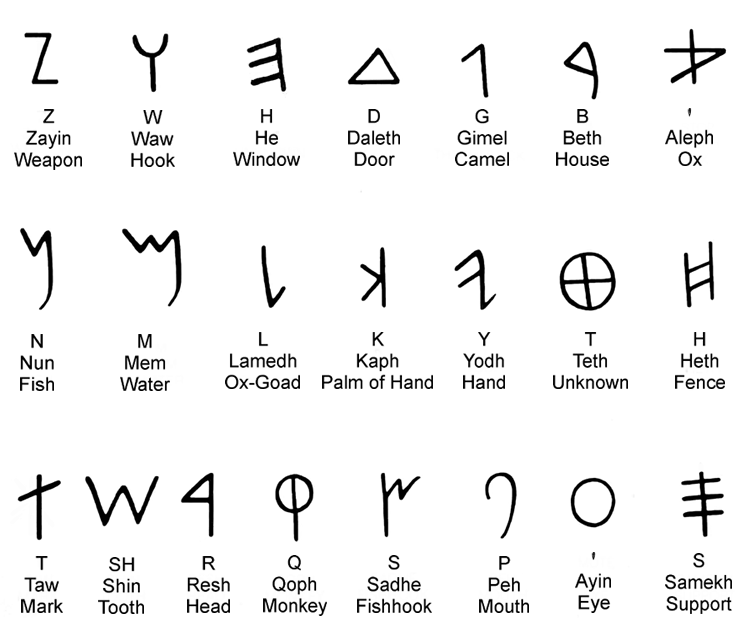
The Phoenicians skilled sailors from the Mediterranean coast developed one of the world’s most influential alphabets around 1050 BCE. Simple, adaptable, and easy to learn, it transformed communication.

Why Their Alphabet Was Revolutionary

Earlier scripts like cuneiform and hieroglyphics used hundreds of signs. The Phoenicians reduced writing to 22 consonant letters, making reading and writing accessible to traders and ordinary people.

A Script Made for Trade

Spread by merchants across the Mediterranean, the alphabet was adopted and modified by:

  • Greeks

  • Hebrews

  • Aramaeans

  • Later, the Romans

The Greek adaptation added vowels, creating the foundation for modern European alphabets.

A Lasting Legacy

Almost every alphabet used today including Latin and Arabic can trace its roots back to the Phoenicians.

← The Lost City of Ubar: Arabia’s AtlantisThe Terracotta Army: Guardians of the First Emperor →
Featured
image_2026-01-13_145551915.png
Jan 13, 2026
Archaeologists Say They’ve Unearthed a Massive Medieval Cargo Ship That’s the Largest Vessel of Its Kind Ever Found
Jan 13, 2026
Read More →
Jan 13, 2026
image_2026-01-13_142940648.png
Jan 13, 2026
600-year-old Viking shipwreck is the largest of its kind
Jan 13, 2026
Read More →
Jan 13, 2026
image_2026-01-13_141554876.png
Jan 13, 2026
The wild reason ancient statues always have tiny p*nises, because I bet you’ve wondered
Jan 13, 2026
Read More →
Jan 13, 2026
image_2026-01-13_135852029.png
Jan 13, 2026
Carnoustie Stone Age hall challenges view of Scotland’s early people
Jan 13, 2026
Read More →
Jan 13, 2026
image_2026-01-13_135115162.png
Jan 13, 2026
Archaeologists Found an Entirely New Language Among the Ruins of an Ancient Empire
Jan 13, 2026
Read More →
Jan 13, 2026
image_2026-01-13_134311101.png
Jan 13, 2026
Poison Detected on 60,000-Year-Old Arrowheads
Jan 13, 2026
Read More →
Jan 13, 2026
read more

Powered by The archaeologist