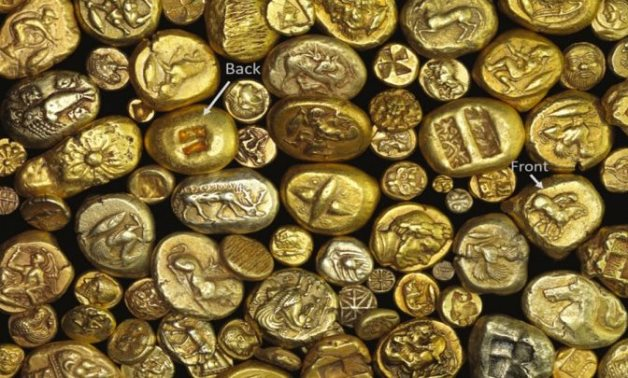
The Kingdom of Lydia, located in western Anatolia, is credited with inventing the world’s first true coins around the 7th century BCE. These coins were made from electrum, a natural alloy of gold and silver, and were stamped with official symbols to guarantee value.
Before coinage, trade relied on barter or weighed metal, which was inefficient. Lydia’s innovation transformed commerce by creating standardized currency that could be easily exchanged. Coins allowed markets to expand, facilitated taxation, and strengthened state authority. King Croesus later refined the system by issuing pure gold and silver coins.
The idea of coinage spread rapidly to Greece and beyond, shaping global economic systems. Lydia’s invention laid the foundation for modern monetary economies and permanently altered trade, governance, and social organization.