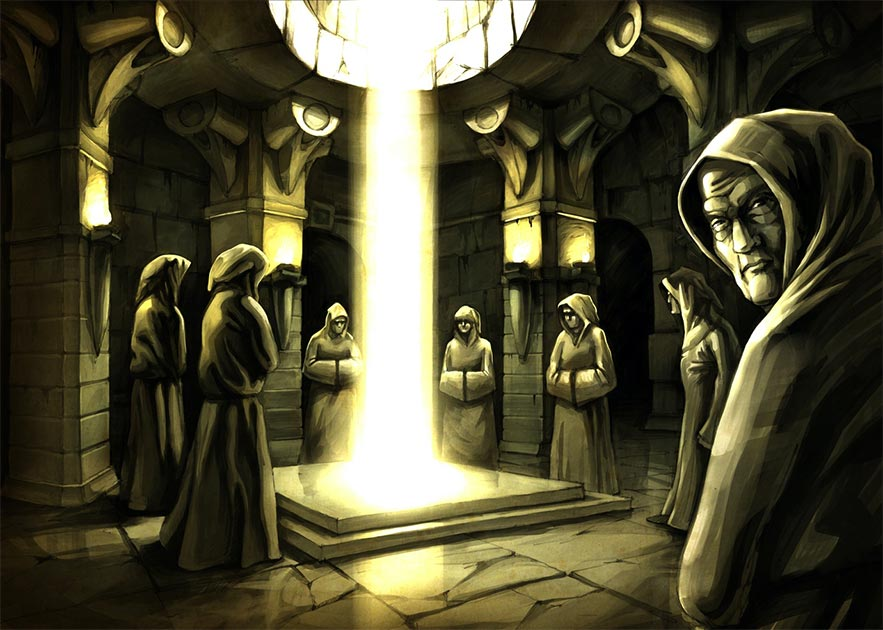
Greek mystery schools were secret religious traditions that promised initiates spiritual knowledge and a better fate after death. Unlike public religion, these cults restricted their teachings to those who underwent initiation. The most famous were the Eleusinian Mysteries, dedicated to Demeter and Persephone.
Initiates participated in rituals symbolizing death and rebirth, reflecting agricultural cycles and human mortality. Though details remain secret, ancient sources suggest the experience was transformative and deeply emotional. Orphism emphasized purification of the soul and reincarnation, while Dionysian cults focused on ecstatic rituals, music, and liberation from social constraints.
These mystery traditions influenced Greek philosophy and later religious movements. Ideas about the soul, afterlife, and spiritual purification shaped thinkers such as Plato. The mystery schools offered personal salvation in a world dominated by fate and suffering, making them profoundly significant in ancient spiritual life.