• MAIN PAGE
  • LATEST NEWS
    • Lost Cities
    • Archaeology's Greatest Finds
    • Underwater Discoveries
    • Greatest Inventions
    • Studies
    • Blog
  • PHILOSOPHY
  • HISTORY
  • RELIGIONS
    • Africa
    • Anatolia
    • Arabian Peninsula
    • Balkan Region
    • China - East Asia
    • Europe
    • Eurasian Steppe
    • Levant
    • Mesopotamia
    • Oceania - SE Asia
    • Pre-Columbian Civilizations of America
    • Iranian Plateau - Central Asia
    • Indus Valley - South Asia
    • Japan
    • The Archaeologist Editor Group
    • Scientific Studies
    • Aegean Prehistory
    • Historical Period
    • Byzantine Middle Ages
    • Predynastic Period
    • Dynastic Period
    • Greco-Roman Egypt
  • Rome
  • PALEONTOLOGY
  • About us
Menu

The Archaeologist

  • MAIN PAGE
  • LATEST NEWS
  • DISCOVERIES
    • Lost Cities
    • Archaeology's Greatest Finds
    • Underwater Discoveries
    • Greatest Inventions
    • Studies
    • Blog
  • PHILOSOPHY
  • HISTORY
  • RELIGIONS
  • World Civilizations
    • Africa
    • Anatolia
    • Arabian Peninsula
    • Balkan Region
    • China - East Asia
    • Europe
    • Eurasian Steppe
    • Levant
    • Mesopotamia
    • Oceania - SE Asia
    • Pre-Columbian Civilizations of America
    • Iranian Plateau - Central Asia
    • Indus Valley - South Asia
    • Japan
    • The Archaeologist Editor Group
    • Scientific Studies
  • GREECE
    • Aegean Prehistory
    • Historical Period
    • Byzantine Middle Ages
  • Egypt
    • Predynastic Period
    • Dynastic Period
    • Greco-Roman Egypt
  • Rome
  • PALEONTOLOGY
  • About us

The Myth of the Leviathan: The Giant Sea Monster in Biblical Lore

November 24, 2025

A Creature of the Deep

Leviathan, a legendary sea monster described in ancient biblical texts, symbolizes immense power and chaos. Depictions of Leviathan portray it as a massive, untamable creature, representing the mysterious and overwhelming forces of nature.

Origins and Biblical References

In the Hebrew Bible, Leviathan appears as a symbol of God’s creative power and the uncontrollable elements of the sea. Ancient texts describe it as fearsome, impenetrable, and chaotic, highlighting humanity’s vulnerability in the face of nature’s forces.

Symbolism Through the Ages

Leviathan has transcended its literal depiction as a sea monster. Over time, it became a metaphor for overwhelming challenges, destructive forces, or moral chaos. Writers, theologians, and artists have reinterpreted Leviathan, adapting its symbolism to reflect human struggles, fear, and awe of the natural world.

Modern Interpretations

In contemporary culture, Leviathan often appears in literature, films, and gaming as a powerful adversary or a force of nature. Its legacy bridges ancient mythology with modern storytelling, maintaining its fascination and relevance across centuries.

Conclusion

Leviathan’s story underscores humanity’s enduring fascination with the unknown. From biblical texts to modern media, it reminds us of nature’s power, mystery, and the timeless human tendency to personify and interpret the forces around us.
← The Role of Ancient Monoliths in Prehistoric SocietiesThe Worship of Hermes: The Messenger of the Greek Gods →
Featured
image_2026-01-08_133359234.png
Jan 8, 2026
Huge Roman factory was 'hidden in plain sight'
Jan 8, 2026
Read More →
Jan 8, 2026
image_2026-01-08_131947864.png
Jan 8, 2026
'Extraordinary' Roman box made of bone found
Jan 8, 2026
Read More →
Jan 8, 2026
Jan 8, 2026
Scientists Study Spread of Bronze Age Plague
Jan 8, 2026
Read More →
Jan 8, 2026
image_2026-01-08_123357739.png
Jan 8, 2026
Rare Iron Age battle trumpet discovered in West Norfolk excavation
Jan 8, 2026
Read More →
Jan 8, 2026
image_2026-01-08_122016712.png
Jan 8, 2026
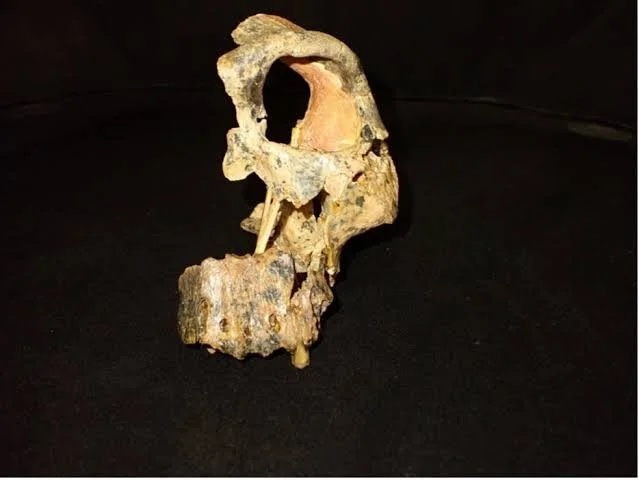
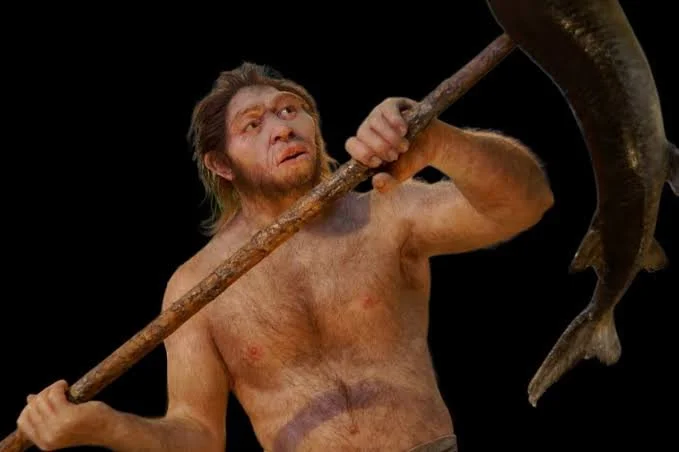
Hominin fossils from Morocco may be close ancestors of modern humans
Jan 8, 2026
Read More →
Jan 8, 2026
image_2026-01-08_121833930.png
Jan 8, 2026
Massive Roman grave revealed in A66 excavation
Jan 8, 2026
Read More →
Jan 8, 2026
read more

Powered by The archaeologist