• MAIN PAGE
  • LATEST NEWS
    • Lost Cities
    • Archaeology's Greatest Finds
    • Underwater Discoveries
    • Greatest Inventions
    • Studies
    • Blog
  • PHILOSOPHY
  • HISTORY
  • RELIGIONS
    • Africa
    • Anatolia
    • Arabian Peninsula
    • Balkan Region
    • China - East Asia
    • Europe
    • Eurasian Steppe
    • Levant
    • Mesopotamia
    • Oceania - SE Asia
    • Pre-Columbian Civilizations of America
    • Iranian Plateau - Central Asia
    • Indus Valley - South Asia
    • Japan
    • The Archaeologist Editor Group
    • Scientific Studies
    • Aegean Prehistory
    • Historical Period
    • Byzantine Middle Ages
    • Predynastic Period
    • Dynastic Period
    • Greco-Roman Egypt
  • Rome
  • PALEONTOLOGY
  • About us
Menu

The Archaeologist

  • MAIN PAGE
  • LATEST NEWS
  • DISCOVERIES
    • Lost Cities
    • Archaeology's Greatest Finds
    • Underwater Discoveries
    • Greatest Inventions
    • Studies
    • Blog
  • PHILOSOPHY
  • HISTORY
  • RELIGIONS
  • World Civilizations
    • Africa
    • Anatolia
    • Arabian Peninsula
    • Balkan Region
    • China - East Asia
    • Europe
    • Eurasian Steppe
    • Levant
    • Mesopotamia
    • Oceania - SE Asia
    • Pre-Columbian Civilizations of America
    • Iranian Plateau - Central Asia
    • Indus Valley - South Asia
    • Japan
    • The Archaeologist Editor Group
    • Scientific Studies
  • GREECE
    • Aegean Prehistory
    • Historical Period
    • Byzantine Middle Ages
  • Egypt
    • Predynastic Period
    • Dynastic Period
    • Greco-Roman Egypt
  • Rome
  • PALEONTOLOGY
  • About us

The Role of Fire in Ancient Rituals and Myths

December 6, 2025

How Fire Became a Symbol of Transformation, Creation, and Divine Power

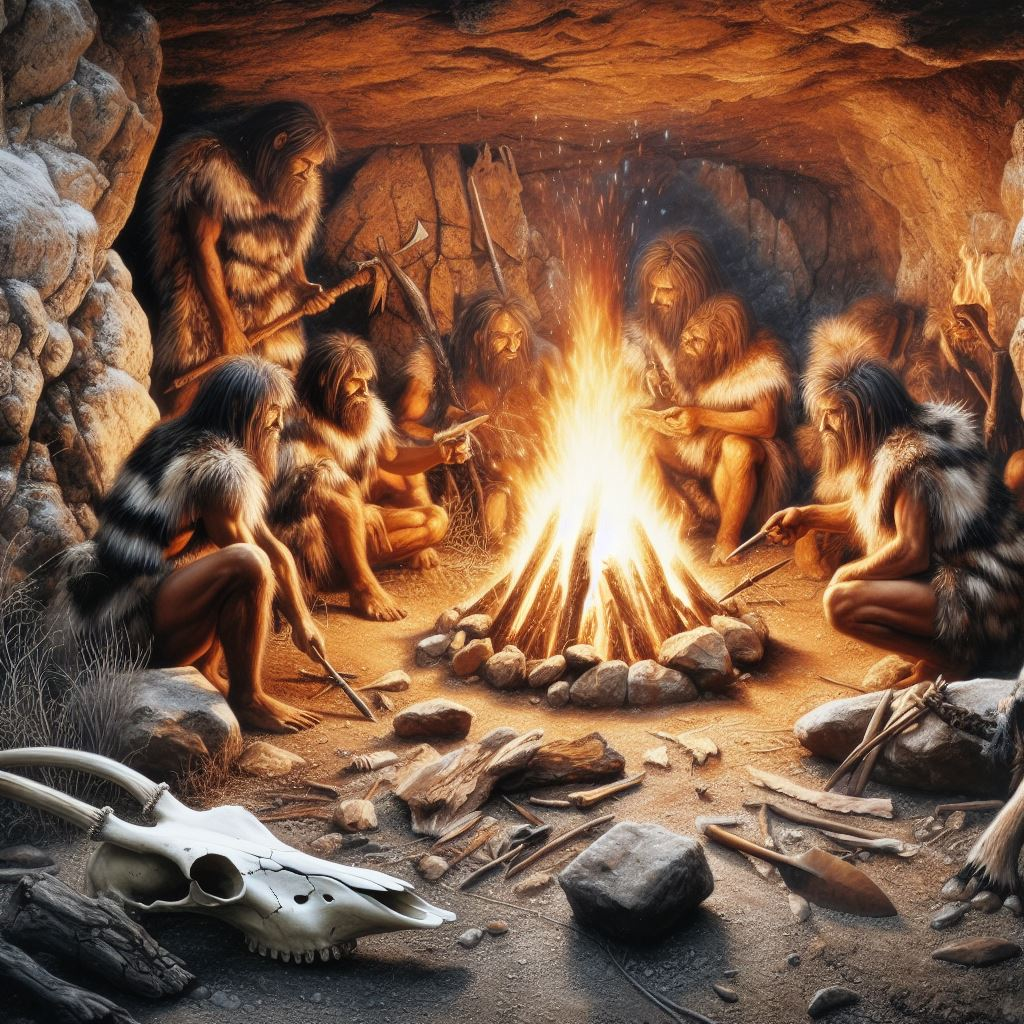
Fire has captivated humans since the dawn of time. Its ability to warm, destroy, and illuminate made it a central force in ancient religions and myths.

Fire as a Divine Gift

Many cultures believed fire came from the gods. In Greek myth, Prometheus famously stole fire for humanity, symbolizing knowledge and progress. In Vedic tradition, Agni served as the fiery mediator between gods and humans, carrying prayers to the heavens.

Rituals of Renewal and Purification

Fire played a key role in ceremonies that marked new beginnings, seasonal changes, and cleansing rites. Burning offerings symbolized releasing burdens or sending messages to the divine.

Festivals like the Celtic Beltane used large bonfires to bless livestock and ensure prosperity.

Creation and Destruction in One Element

Fire’s dual nature life-giving and destructive made it a powerful metaphor. It represented transformation, passion, and the cycle of death and rebirth. Ancient myths often used fire to explain cosmic changes and human destiny.
← The Ancient Science of Alchemy and ImmortalityThe Secret Messages Hidden in Ancient Jewelry →
Featured
image_2025-12-07_161645630.png
Dec 7, 2025
The Ancient Myth of the Phoenix: Symbol of Rebirth
Dec 7, 2025
Read More →
Dec 7, 2025
image_2025-12-07_161040140.png
Dec 7, 2025
The Sacred Temples of Ancient Malta: Older Than the Pyramids
Dec 7, 2025
Read More →
Dec 7, 2025
image_2025-12-07_160706920.png
Dec 7, 2025
The Role of Astronomy in Ancient Navigation
Dec 7, 2025
Read More →
Dec 7, 2025
image_2025-12-07_160425320.png
Dec 7, 2025
The Forgotten Language of the Etruscans
Dec 7, 2025
Read More →
Dec 7, 2025
image_2025-12-07_155915324.png
Dec 7, 2025
The First Global Trade Routes of the Ancient World
Dec 7, 2025
Read More →
Dec 7, 2025
image_2025-12-07_155725922.png
Dec 7, 2025
The Role of the Sacred Bull in Ancient Religions
Dec 7, 2025
Read More →
Dec 7, 2025
read more

Powered by The archaeologist