The vast grasslands surrounding the Caspian Sea have long been home to nomadic societies whose lives revolved around horses. These open steppes offered ideal conditions for raising large herds, with abundant grazing land stretching across thousands of kilometers.
Some of the earliest horse-domesticating cultures emerged in this region during prehistoric times. Archaeological evidence suggests that people living on the Eurasian steppe began taming horses for transportation, hunting, and herding livestock several thousand years ago.
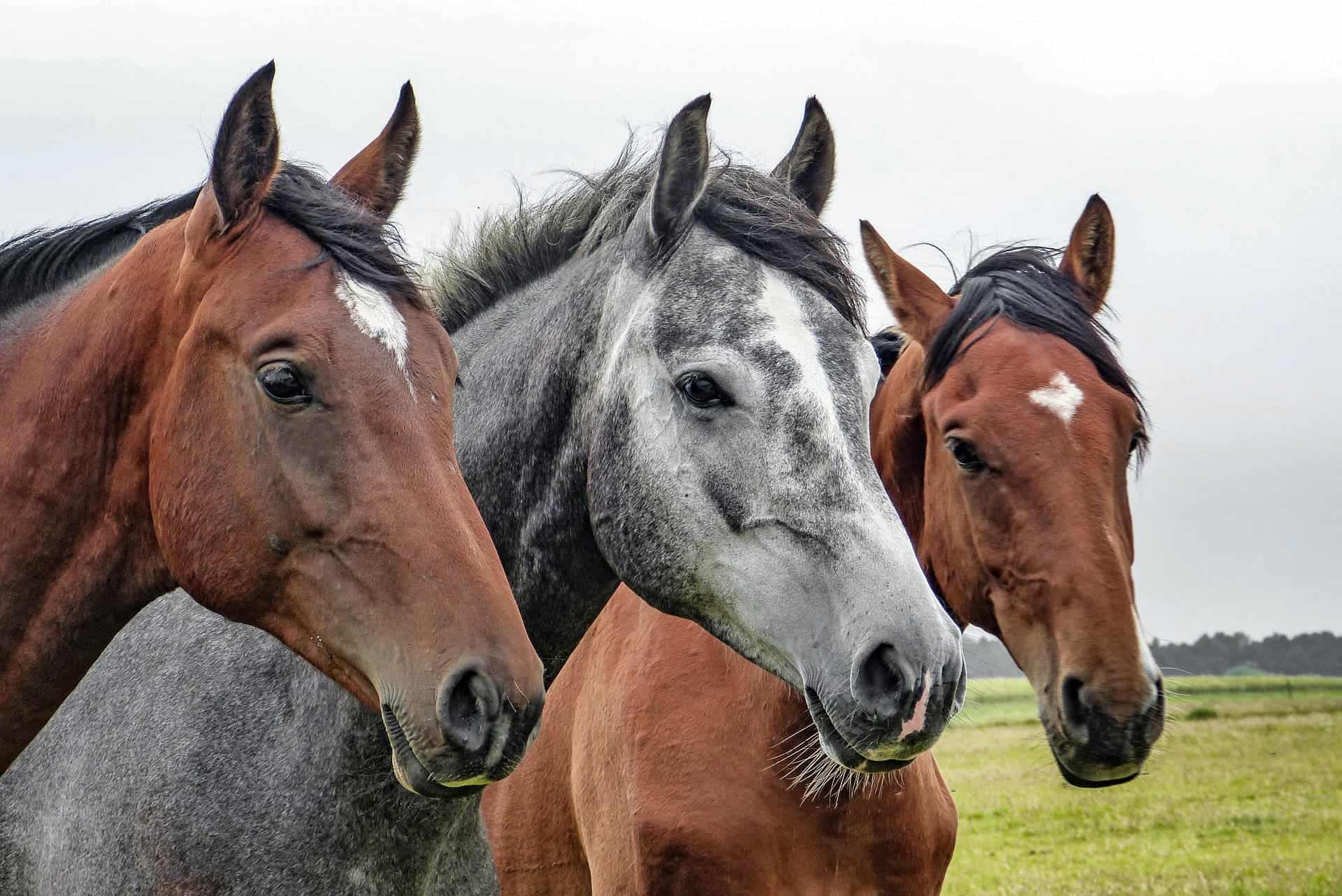
Over generations, these communities developed sophisticated breeding practices designed to produce horses with desirable traits. Speed, endurance, and temperament were particularly important qualities.
Horses allowed steppe nomads to travel vast distances across open landscapes that would have been difficult to cross on foot. Mounted riders could follow migrating herds, patrol territories, and maintain contact between distant camps.
As horseback riding became more common, horses also transformed warfare. Mounted warriors could move quickly across battlefields, attack from a distance, and retreat before enemies could respond.
The breeding traditions of steppe cultures eventually produced horses known for their strength and endurance. These animals became highly valued by neighboring civilizations, which often traded for steppe horses or captured them during conflicts.
Over time, steppe horse-breeding practices influenced cavalry traditions across Eurasia. From the armies of Persia to the later mounted forces of medieval kingdoms, the legacy of steppe horse cultures continued to shape military history.
The legendary horse breeders of the Caspian region therefore played a crucial role in one of humanity’s most important technological partnerships—the alliance between humans and horses.