Introduction to Sacred Mountains
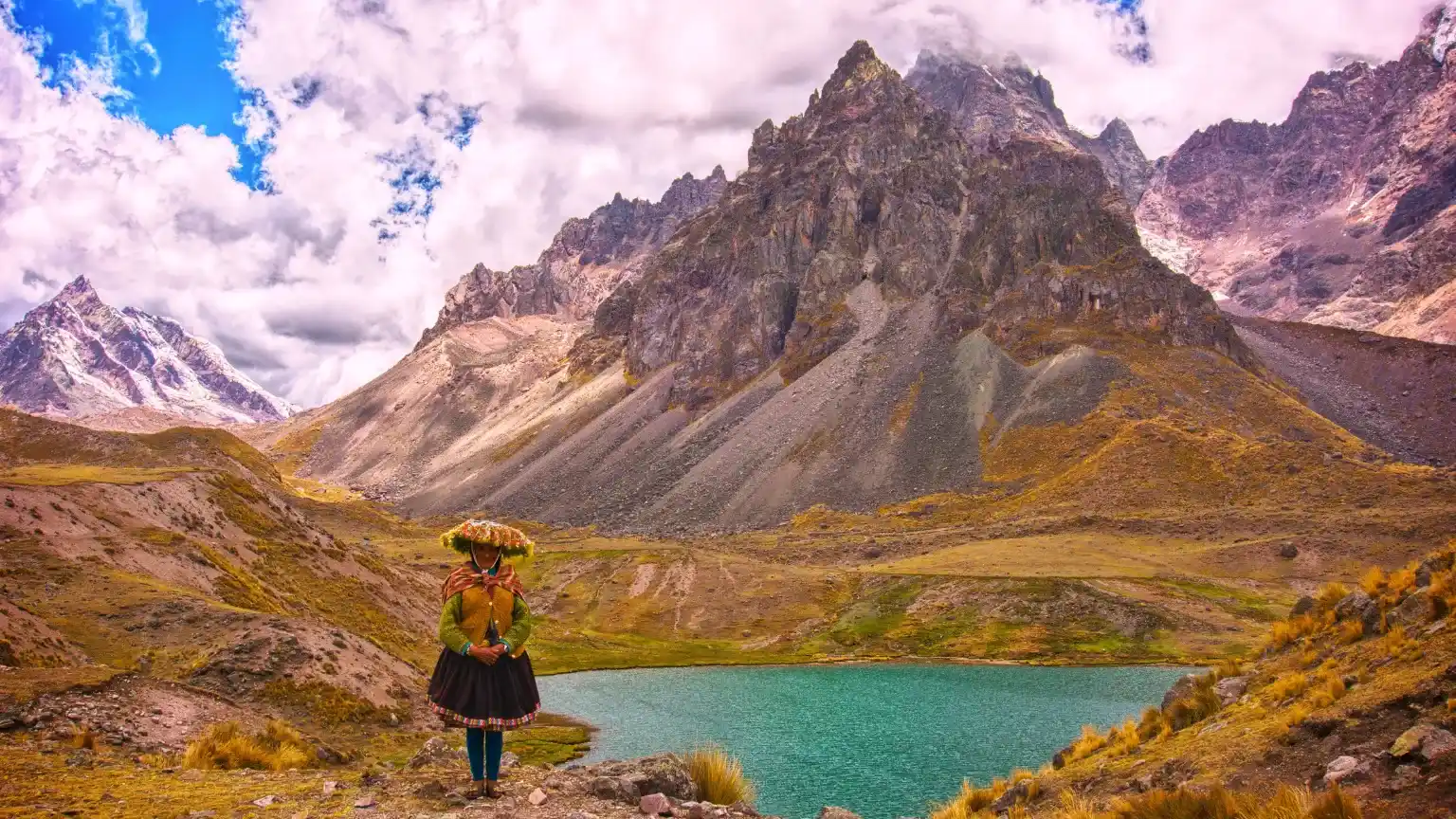
The Inca civilization (15th–16th centuries CE) revered mountains, or apus, as living deities. Mountains were seen as sources of water, fertility, and spiritual guidance. Their peaks were considered dwelling places of gods and ancestors, central to Inca cosmology.
Rituals and Offerings
The Incas conducted ceremonies on mountain summits, offering llamas, coca leaves, and crafted objects to honor the apus. These rituals maintained harmony between humans and the spiritual world, ensuring agricultural success and community protection.
Integration with Governance
Sacred mountains legitimized political authority. Inca rulers, considered descendants of the sun god Inti, often conducted state rituals on these peaks. The spiritual significance of mountains reinforced social hierarchy and centralized power.
Astronomical Alignments
Many Inca temples and settlements were aligned with mountain peaks and celestial events. Such planning reflects an intricate understanding of astronomy, geography, and spirituality, integrating natural landmarks into cultural and religious frameworks.
Legacy and Cultural Continuity
Even today, Andean communities continue to venerate mountains, preserving ancient traditions. The Inca reverence for peaks highlights how natural landscapes can shape belief systems, governance, and cultural identity, reflecting a profound connection between humans and the environment.