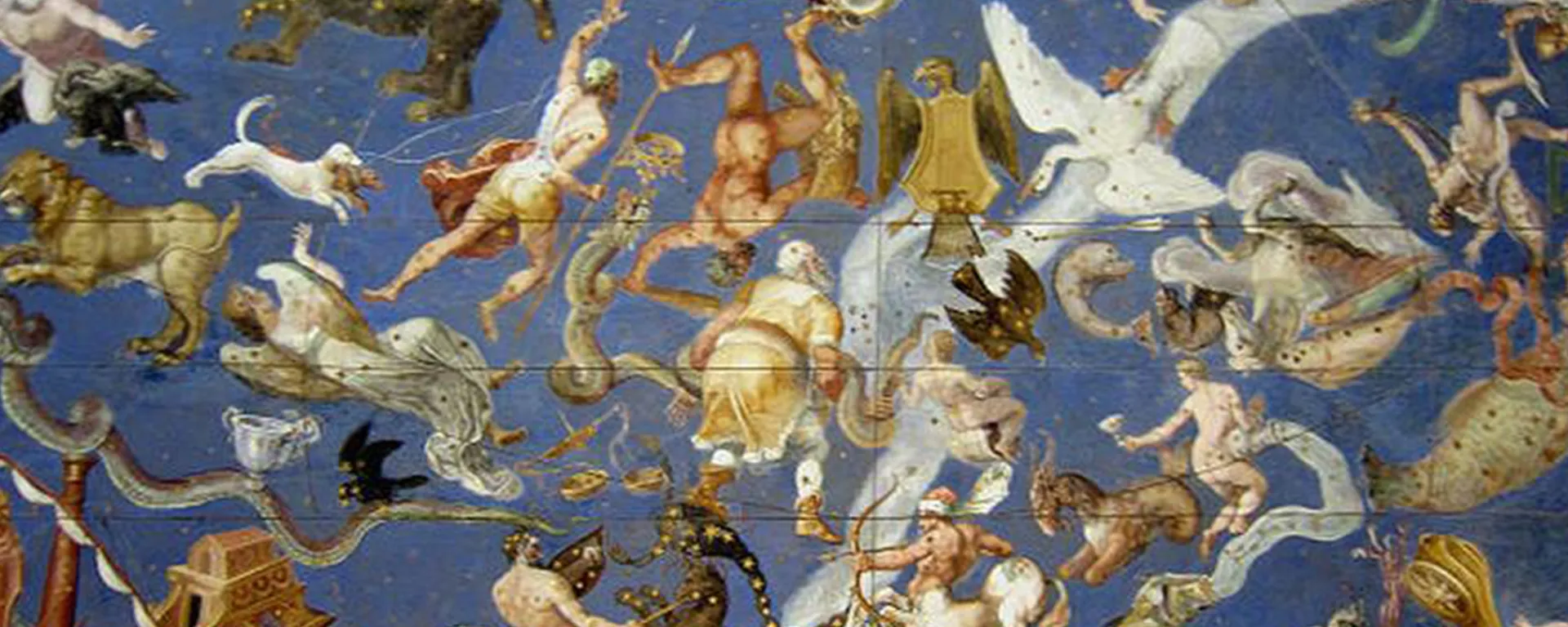
Introduction to the Zodiac
The zodiac system, dividing the sky into twelve signs, originated in Babylon around 1500 BCE. It was used for astrology, tracking celestial movements, and organizing calendars. Early civilizations saw the heavens as a mirror of earthly events, where the positions of stars and planets influenced human destiny.
Babylonian Beginnings
Babylonians divided the ecliptic into twelve equal sections, each associated with a constellation. Astronomers and astrologers recorded celestial events meticulously, linking planetary movements to seasonal cycles, agricultural planning, and divination.
Greek Adaptation and Mythology
The Greeks adopted Babylonian constellations and infused them with mythological narratives. Figures such as Hercules, Perseus, and Leo the Lion became tied to zodiacal signs, blending astronomy with storytelling and moral lessons.
Cultural and Religious Significance
Astrology guided personal, political, and agricultural decisions. Kings consulted astrologers before battles, while priests interpreted celestial signs for ceremonial timing. The zodiac also reinforced the concept that human life was connected to cosmic order.
Legacy and Influence
The zodiac shaped medieval and modern astrology, influencing calendars, astronomy, and cultural rituals worldwide. It exemplifies humanity’s enduring fascination with the stars, the desire to understand fate, and the symbolic connections between the cosmos and human life.