• MAIN PAGE
  • LATEST NEWS
    • Lost Cities
    • Archaeology's Greatest Finds
    • Underwater Discoveries
    • Greatest Inventions
    • Studies
    • Blog
  • PHILOSOPHY
  • HISTORY
  • RELIGIONS
    • Africa
    • Anatolia
    • Arabian Peninsula
    • Balkan Region
    • China - East Asia
    • Europe
    • Eurasian Steppe
    • Levant
    • Mesopotamia
    • Oceania - SE Asia
    • Pre-Columbian Civilizations of America
    • Iranian Plateau - Central Asia
    • Indus Valley - South Asia
    • Japan
    • The Archaeologist Editor Group
    • Scientific Studies
    • Aegean Prehistory
    • Historical Period
    • Byzantine Middle Ages
    • Predynastic Period
    • Dynastic Period
    • Greco-Roman Egypt
  • Rome
  • PALEONTOLOGY
  • About us
Menu

The Archaeologist

  • MAIN PAGE
  • LATEST NEWS
  • DISCOVERIES
    • Lost Cities
    • Archaeology's Greatest Finds
    • Underwater Discoveries
    • Greatest Inventions
    • Studies
    • Blog
  • PHILOSOPHY
  • HISTORY
  • RELIGIONS
  • World Civilizations
    • Africa
    • Anatolia
    • Arabian Peninsula
    • Balkan Region
    • China - East Asia
    • Europe
    • Eurasian Steppe
    • Levant
    • Mesopotamia
    • Oceania - SE Asia
    • Pre-Columbian Civilizations of America
    • Iranian Plateau - Central Asia
    • Indus Valley - South Asia
    • Japan
    • The Archaeologist Editor Group
    • Scientific Studies
  • GREECE
    • Aegean Prehistory
    • Historical Period
    • Byzantine Middle Ages
  • Egypt
    • Predynastic Period
    • Dynastic Period
    • Greco-Roman Egypt
  • Rome
  • PALEONTOLOGY
  • About us
No results found

The Secrets of the Ancient Viking Runes

December 6, 2025

Uncovering the Origins and Meaning of the Runic Alphabet

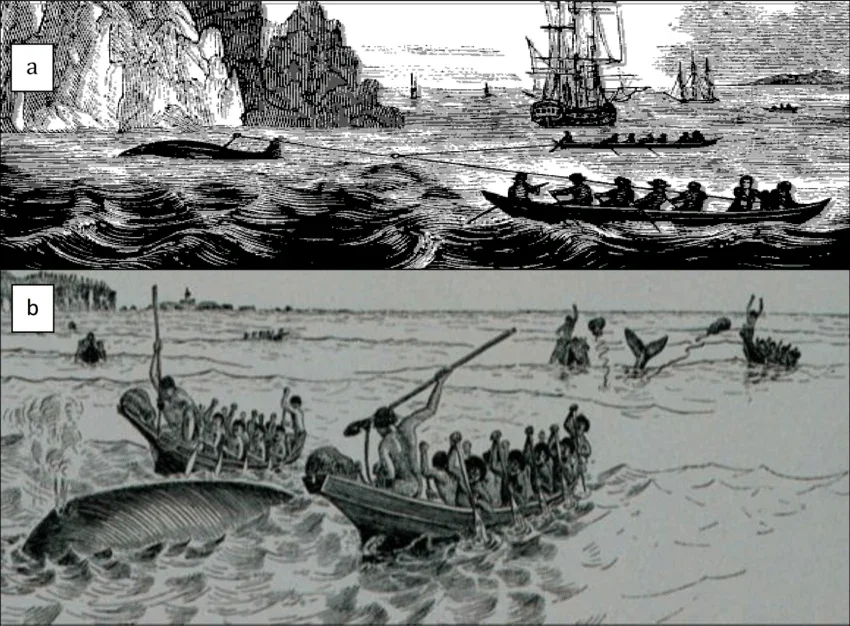
The Vikings used runes not only for writing but for magic, ritual, and protection. These symbols carved onto wood, stone, and metal reveal the beliefs and identity of Norse culture.

Origins of the Runes

The runic alphabet, or Elder Futhark, developed around the 2nd century CE. Its shapes were designed for carving into hard surfaces, with straight lines and sharp angles.

Runes as Sacred Symbols

Beyond communication, runes held mystical significance. Norse mythology tells that Odin discovered the runes through a powerful ritual of self-sacrifice. As a result, each rune carried spiritual meaning protection, victory, fertility, or destiny.

Carved Messages Across the North

Rune stones recorded memorials, achievements, boundary markers, and sometimes warnings or curses. These inscriptions preserve the voices of Viking communities across Scandinavia.
← The Role of Masks in Ancient Rituals and CeremoniesThe Myth of the Seven Sages of Ancient India →
Featured
image_2026-06-02_134555446.png
June 4, 2026
Roman Mosaics in Spain: The Roman Villa of La Olmeda
June 4, 2026
Read more →
June 4, 2026
image_2026-06-02_134512415.png
June 4, 2026
The Viking Age Silver Economy: Hacksilver and Islamic Dirhams
June 4, 2026
Read more →
June 4, 2026
image_2026-06-02_134427249.png
June 4, 2026
Ancient Egyptian Writing: Hieroglyphs, Hieratic, and Demotic
June 4, 2026
Read more →
June 4, 2026
image_2026-06-02_134351192.png
June 4, 2026
The Roman Arch of Titus: The Spoils of the Jerusalem Temple
June 4, 2026
Read more →
June 4, 2026
image_2026-06-02_134313891.png
June 4, 2026
Ancient Greek Sanctuaries: The Cave of Zeus on Mount Ida
June 4, 2026
Read more →
June 4, 2026
image_2026-06-02_134212891.png
June 4, 2026
The Minoan Pottery Styles: Kamares Ware and Marine Style
June 4, 2026
Read more →
June 4, 2026
read more

Powered by The archaeologist