• MAIN PAGE
  • LATEST NEWS
    • Lost Cities
    • Archaeology's Greatest Finds
    • Underwater Discoveries
    • Greatest Inventions
    • Studies
    • Blog
  • PHILOSOPHY
  • HISTORY
  • RELIGIONS
    • Africa
    • Anatolia
    • Arabian Peninsula
    • Balkan Region
    • China - East Asia
    • Europe
    • Eurasian Steppe
    • Levant
    • Mesopotamia
    • Oceania - SE Asia
    • Pre-Columbian Civilizations of America
    • Iranian Plateau - Central Asia
    • Indus Valley - South Asia
    • Japan
    • The Archaeologist Editor Group
    • Scientific Studies
    • Aegean Prehistory
    • Historical Period
    • Byzantine Middle Ages
    • Predynastic Period
    • Dynastic Period
    • Greco-Roman Egypt
  • Rome
  • PALEONTOLOGY
  • About us
Menu

The Archaeologist

  • MAIN PAGE
  • LATEST NEWS
  • DISCOVERIES
    • Lost Cities
    • Archaeology's Greatest Finds
    • Underwater Discoveries
    • Greatest Inventions
    • Studies
    • Blog
  • PHILOSOPHY
  • HISTORY
  • RELIGIONS
  • World Civilizations
    • Africa
    • Anatolia
    • Arabian Peninsula
    • Balkan Region
    • China - East Asia
    • Europe
    • Eurasian Steppe
    • Levant
    • Mesopotamia
    • Oceania - SE Asia
    • Pre-Columbian Civilizations of America
    • Iranian Plateau - Central Asia
    • Indus Valley - South Asia
    • Japan
    • The Archaeologist Editor Group
    • Scientific Studies
  • GREECE
    • Aegean Prehistory
    • Historical Period
    • Byzantine Middle Ages
  • Egypt
    • Predynastic Period
    • Dynastic Period
    • Greco-Roman Egypt
  • Rome
  • PALEONTOLOGY
  • About us

The Earliest-Known Astronomical Observatory in the Americas May Offer New Insights

January 20, 2026

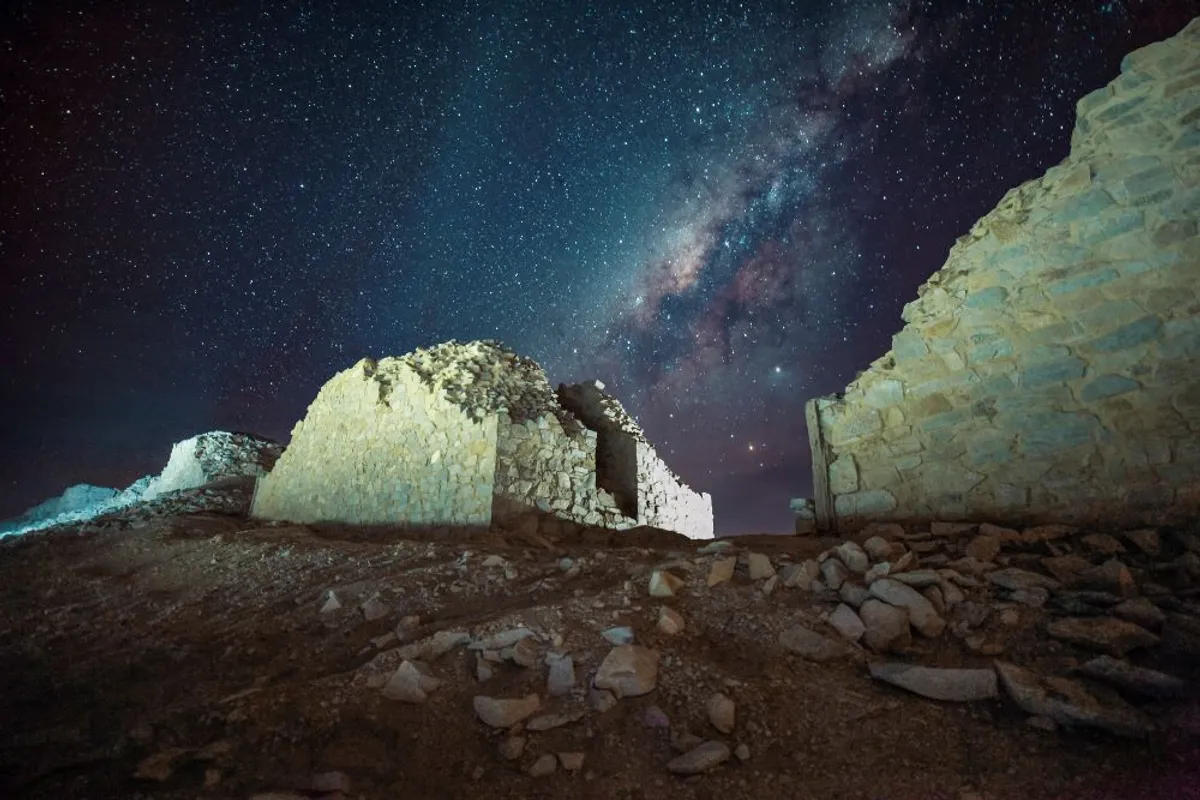
Stonehenge was once thought to function as a kind of “Neolithic computer,” but archaeology has since debunked that idea. Current evidence now points to a different site: an arid hill in Peru’s Casma Valley, roughly 200 miles north of Lima.

There lies Chankillo, a complex constructed around 250 B.C.E., recognized as the earliest known solar observatory in the Americas. It stands as the clearest example of a monument designed to track the sun’s movements throughout the year, according to research published in Science. Though modest in appearance and largely absent from tourist brochures, Chankillo has garnered renewed interest as archaeologists release preliminary results from ongoing excavations.
← 600-year-old medieval trade shipwreck discovered in Danish straitArchaeologists Confirm Fano Discovery as Vitruvius’ Legendary Basilica: A Turning Point for Classical Architecture →
Featured
image_2026-01-21_005324993.png
Jan 20, 2026
Opinion Three centuries of Roman limescale reveals a dirty secret about Pompeii’s public baths
Jan 20, 2026
Read More →
Jan 20, 2026
image_2026-01-21_004225896.png
Jan 20, 2026
People In China Kept Leopard Cats As Pets For 3,500 Years, Before Domestic Cats Arrived Via The Silk Road
Jan 20, 2026
Read More →
Jan 20, 2026
image_2026-01-21_003142971.png
Jan 20, 2026
Gloucestershire village set to appear on BBC series after special discovery
Jan 20, 2026
Read More →
Jan 20, 2026
image_2026-01-21_002216046.png
Jan 20, 2026
600-year-old medieval trade shipwreck discovered in Danish strait
Jan 20, 2026
Read More →
Jan 20, 2026
image_2026-01-21_000945999.png
Jan 20, 2026
The Earliest-Known Astronomical Observatory in the Americas May Offer New Insights
Jan 20, 2026
Read More →
Jan 20, 2026
image_2026-01-21_000021924.png
Jan 20, 2026
Archaeologists Confirm Fano Discovery as Vitruvius’ Legendary Basilica: A Turning Point for Classical Architecture
Jan 20, 2026
Read More →
Jan 20, 2026
read more

Powered by The archaeologist