• MAIN PAGE
  • LATEST NEWS
    • Lost Cities
    • Archaeology's Greatest Finds
    • Underwater Discoveries
    • Greatest Inventions
    • Studies
    • Blog
  • PHILOSOPHY
  • HISTORY
  • RELIGIONS
    • Africa
    • Anatolia
    • Arabian Peninsula
    • Balkan Region
    • China - East Asia
    • Europe
    • Eurasian Steppe
    • Levant
    • Mesopotamia
    • Oceania - SE Asia
    • Pre-Columbian Civilizations of America
    • Iranian Plateau - Central Asia
    • Indus Valley - South Asia
    • Japan
    • The Archaeologist Editor Group
    • Scientific Studies
    • Aegean Prehistory
    • Historical Period
    • Byzantine Middle Ages
    • Predynastic Period
    • Dynastic Period
    • Greco-Roman Egypt
  • Rome
  • PALEONTOLOGY
  • About us
Menu

The Archaeologist

  • MAIN PAGE
  • LATEST NEWS
  • DISCOVERIES
    • Lost Cities
    • Archaeology's Greatest Finds
    • Underwater Discoveries
    • Greatest Inventions
    • Studies
    • Blog
  • PHILOSOPHY
  • HISTORY
  • RELIGIONS
  • World Civilizations
    • Africa
    • Anatolia
    • Arabian Peninsula
    • Balkan Region
    • China - East Asia
    • Europe
    • Eurasian Steppe
    • Levant
    • Mesopotamia
    • Oceania - SE Asia
    • Pre-Columbian Civilizations of America
    • Iranian Plateau - Central Asia
    • Indus Valley - South Asia
    • Japan
    • The Archaeologist Editor Group
    • Scientific Studies
  • GREECE
    • Aegean Prehistory
    • Historical Period
    • Byzantine Middle Ages
  • Egypt
    • Predynastic Period
    • Dynastic Period
    • Greco-Roman Egypt
  • Rome
  • PALEONTOLOGY
  • About us
No results found

The Worship of Anansi: The Trickster Spider of African Folklore

November 26, 2025

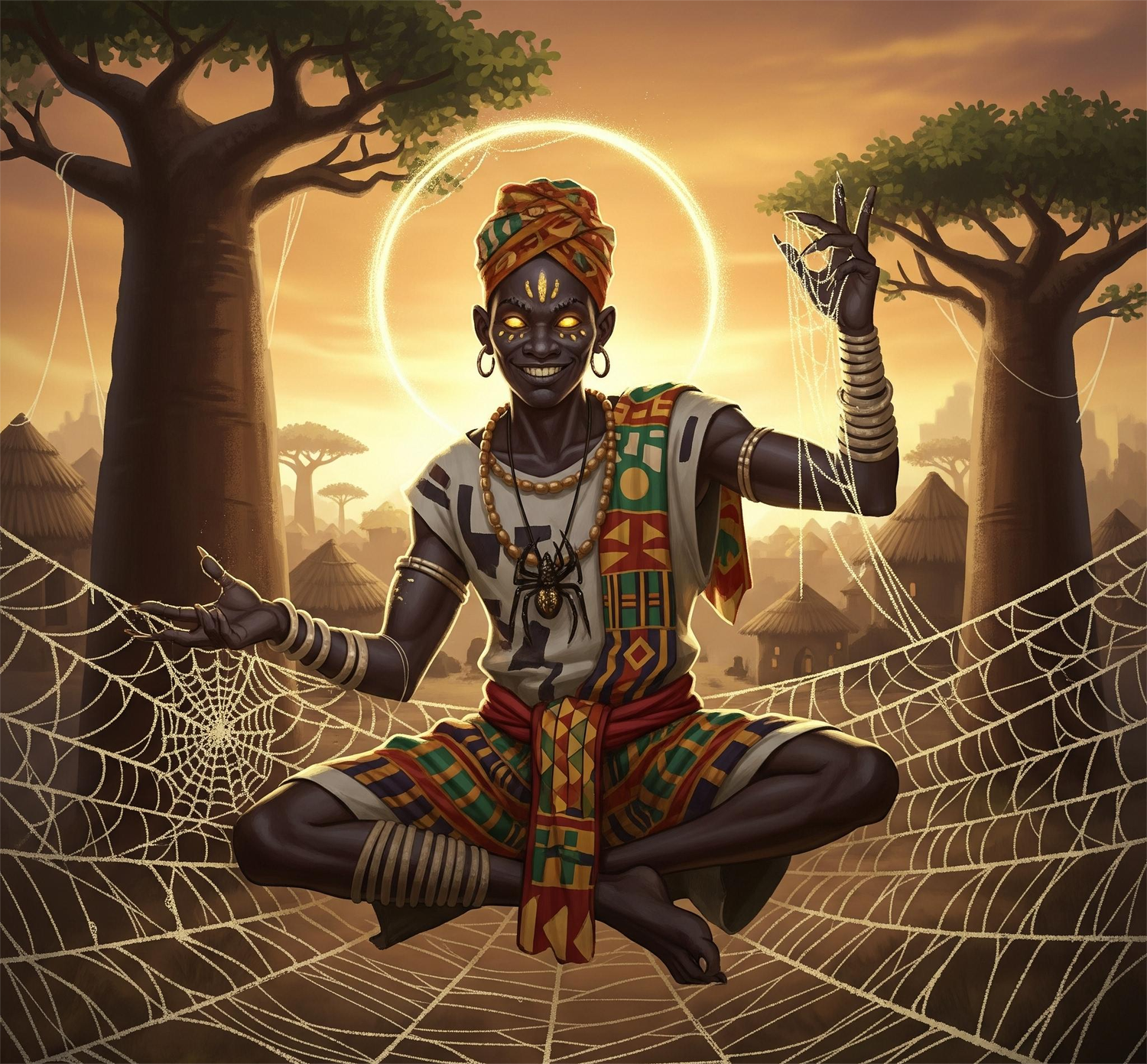
Anansi is one of the most beloved figures in West African mythology, originating among the Akan people of Ghana. A clever spider, Anansi embodies wit, wisdom, and mischief, often using cunning to overcome stronger opponents.

Cultural and Historical Context

Anansi stories were orally transmitted and functioned as both entertainment and moral instruction. They spread throughout the Caribbean and Americas via the transatlantic slave trade, influencing folklore in Jamaica, Suriname, and beyond.

Character and Symbolism

Anansi’s stories highlight intelligence over strength, emphasizing creative problem-solving and cunning. In some tales, he outwits animals or humans to gain food, knowledge, or social advantage. Symbolically, he represents the power of intellect, adaptability, and storytelling itself.

Ritual and Social Role

In Akan society, Anansi stories were often told during communal gatherings, teaching lessons about behavior, justice, and social norms. They reinforced cultural values while allowing space for humor and critical reflection.

Modern Relevance

Anansi continues to appear in literature, comics, and animation, serving as a bridge between African heritage and contemporary storytelling. The character reminds us of the enduring power of narrative and the value of intellect and resourcefulness

← The Myth of the Unicorn: A Creature of LegendThe Role of the Olmecs in Mesoamerican Civilization →
Featured
images14.jpeg
July 10, 2026
Sambisari: Java's Buried 9th-Century Shiva Temple
July 10, 2026
Read more →
July 10, 2026
images13.jpeg
July 10, 2026
Wat Phu: Laos' 1,000-Year Mountain Sanctuary
July 10, 2026
Read more →
July 10, 2026
images12.jpeg
July 10, 2026
Muang Tam: Thailand's Khmer Water Temple Complex
July 10, 2026
Read more →
July 10, 2026
images11.jpeg
July 10, 2026
Khmer Jayavarman: Angkor's Hidden Hydraulic Network
July 10, 2026
Read more →
July 10, 2026
licensed-image.jpeg
July 10, 2026
Nan Madol Boulders: Pohnpei's 2,500-Year Floating City
July 10, 2026
Read more →
July 10, 2026
images10.jpeg
July 10, 2026
Gunung Padang Layers: Indonesia's 25,000-Year Pyramid Debate
July 10, 2026
Read more →
July 10, 2026
read more

Powered by The archaeologist