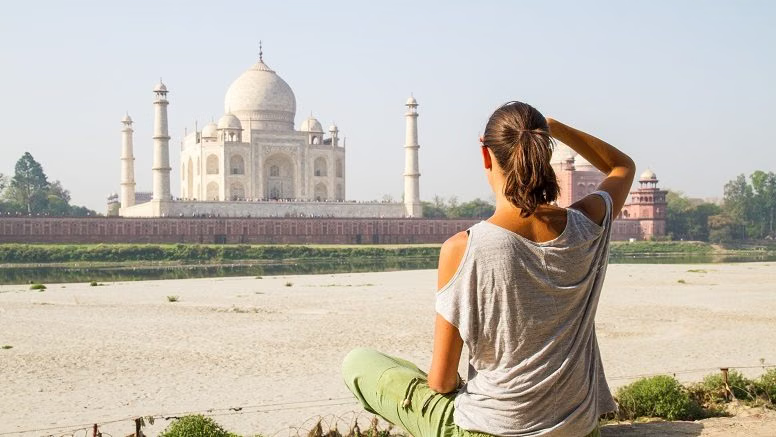
India has a prominent position in the global tourism landscape and ranked 39th on the World Economic Forum's Travel and Tourism Development Index 2024.
New Delhi: Finance Minister Nirmala Sitharaman on Saturday announced the development of new ecologically sustainable tourism initiatives as part of the Union Budget 2026–27, with a strong focus on eco-tourism, cultural heritage, and employment generation.
Under the proposal, new mountain trekking trails will be developed in Himachal Pradesh, Jammu and Kashmir, Uttarakhand, and the Araku Valley in the Eastern Ghats. The government also plans to introduce sea turtle trails near coastal nesting sites in Odisha, Karnataka, and Kerala, as well as birdwatching trails around Pulicat Lake in Andhra Pradesh and Tamil Nadu.
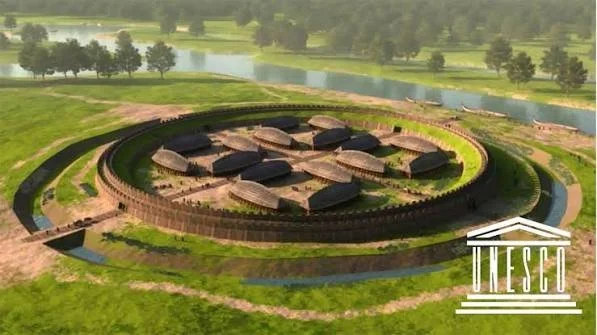
In addition to nature-based tourism, Sitharaman announced plans to develop 15 archaeological and heritage sites as major cultural tourism destinations. These include prominent Indus Valley Civilisation sites such as Lothal, Rakhigarhi, and Dholavira, along with Sarnath Stupa and Hastinapur in Uttar Pradesh and Leh Palace in Ladakh. The sites will feature curated walkways, interpretation centres, and conservation laboratories to create “vibrant, experiential” visitor experiences.
“Budget 2026 reflects a strong recognition of tourism as a strategic pillar for economic growth, employment generation, and regional development,” said Mahesh Iyer, Managing Director and CEO of Thomas Cook India. He also welcomed the rationalisation of Tax Collected at Source (TCS), noting that the simplified flat 2 per cent rate on overseas tour packages would ease compliance and improve cash flows for travellers.
India currently ranks 39th on the World Economic Forum’s Travel and Tourism Development Index 2024. According to the Tourism Ministry’s India Tourism Data Compendium 2025, the country recorded over 20 million foreign tourist arrivals in 2024, earning approximately $35 billion in foreign exchange. Domestic tourism remained robust, with 2.95 billion visits recorded nationwide, led by Uttar Pradesh and Tamil Nadu.
The Budget also proposed developing Buddhist Circuits in the Northeast, preserving temples and monasteries while improving pilgrimage infrastructure. To support workforce development, the government plans to upgrade the National Council for Hotel Management and Catering Technology (NCHMCT) in Noida into a new National Institute of Hospitality, designed to bridge academia, industry, and government.
Further initiatives include a pilot programme to upskill 10,000 tourist guides across 20 sites through a 12-week hybrid training course in collaboration with an Indian Institute of Management, and the launch of a National Destination Digital Knowledge Grid to document sites of historical, cultural, and spiritual importance.
While welcoming the announcements, Iyer noted that increased international marketing could further strengthen India’s tourism push. “A higher outlay for promoting ‘Incredible India’ would have complemented infrastructure development with stronger global visibility,” he said.