Photos depict 10 historical landmarks before and after they were excavated, from the Sphinx to the Terracotta Army

Researchers continue to learn new things about ancient civilizations, which can be better understood by studying architectural structures that have stood the test of time. Dedications to gods and other religious figures can be found at many old historical locations.

One of the heads of the Pharaoh RAMSES II being carried by cranes to the temple's new site Keystone-France/Gamma-Keystone via Getty Images

A lost city is an intriguing idea. It sounds more like science fiction than reality, but there is an ancient civilisation lost to time and space that contains knowledge of how early people lived in an era before modern technology. Yet ancient civilizations' remains have frequently been discovered.

It's not always the case that these cities are lost or that they are "discovered." It might be disrespectful to Indigenous populations' local knowledge and traditions to refer to European explorers as "discoverers".

However, excavations and restorations of historical sites are frequently directed by explorers, archaeologists, and diplomats from Europe. These historical landmarks shed light on earlier cultures, climatic conditions, conflicts, and educational systems.

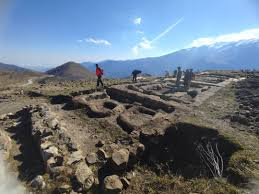
Ten archaeological sites are shown here, along with photos of them before and after restoration.

Chichén Itzá, Yucatan, Mexico

Casa Colorado at Chichén Itzá, Mayan Ruins, in Yucatan, Mexico. Before and after discovery. Heritage Art/Heritage Images via Getty Images and Geography Photos/Universal Images Group via Getty Images

The ruins of an ancient city called Chichén Itzá are located in Yucatán, Mexico. The city's founding took place between AD 415 and 435. Chichén Itzá entered a new period in AD 957 when the Toltec King Kukulkan and his followers moved from central Mexico to take control of the city.

Chichén Itzá mixes the Toltec and Mayan cultural and architectural influences. The Mayans created one of the greatest ball courts in all of Mesoamerica by leveling the ground where they erected their city and paving the streets that connect all of their structures.

When the indigenous Yucatec Maya rose out in revolt against the Itzá emperors in 1440, the city was abandoned. Following the uprising, the Itzá split up and abandoned Chichén Itzá.

On one of his journeys to Central America, the American explorer John Lloyd Stephens rediscovered Chichén Itzá in 1841.

Sylvanus Morley, an archaeologist, began his dig only in 1924. When Morley and his group finally arrived to Chichén Itzá, the city had been completely destroyed by native vegetation and overgrown.

As of 2007, the city was chosen as one of the new Seven Wonders of the World and is now a UNESCO World Heritage Site.

Tikal, Guatemala

Two photos of a temple in Tikal, Guatemala, before and after excavation. Hanna Seidel/United Archives/Universal Images Group via Getty Images

Although archaeologists disagree on the exact period of Tikal's settlement and growth, many think it was established about 600 BC. Many of the city's structures are thought to have been constructed between AD 250 and 900.

The Mayan civilization's economic center and home to more than 60,000 people before it fell, Tikal. Archaeologists dispute on the causes of Tikal's abandonment, however others put it down to cultural and economic problems. According to a recent study, during a severe drought, drinking water may have been contaminated by mercury and harmful algae, which may have caused everyone to flee the city.

It took until 1848 for the first authorized excursion to the remains. Although it is thought that humans were residing there in the 18th century, according to various Guatemalan archives.

During the ten-year period from 1956 to 1966, Tikal was excavated and restored, in large part because to archeologists from the University of Pennsylvania.

In the 1970s, the park was designated a UNESCO World Heritage Site, and research continues to this day. In the midst of Tikal's ruins, a new structure was just uncovered in 2021 that may provide information about the city's long-lost past.

Mayan Temple of the Inscriptions, Chiapas, Mexico

A side-by-side comparison of the Mayan Temple of inscriptions in Chiapas, Mexico. Left: Roger Viollet via Getty Images Right: DEA / G. DAGLI ORTI/De Agostini via Getty Images

The Mayan metropolis of Palenque was situated in what is now southern Mexico. The city of Palenque and its temples were founded in AD 432 and subsequently developed between AD 615 and 683. The Temple of Inscriptions, which is thought to be the largest Mayan funeral pyramid, is located at Palenque.

Father Pedro Lorenzo de la Nada, a Spaniard passing through Mexico in 1567, made a new discovery of Palenque. When Lorenzo came across Palenque, it had been abandoned.

The city was considerably smaller than other nearby Mayan cities, with an estimated peak population of just over 6,000.

In 1987, Palenque was designated a UNESCO World Heritage Site, and since then, it has been crucial for academics studying the Mayans. Despite not being the largest Mayan city, Palenque's temples and tombs have taught scholars a lot about Mayan sculpture, architecture, and language.

Terracotta Army, Shaanxi Province, China

A partial view of life-size terracotta figures excavated in the pit surrounding the tomb of Qin Shi Huang and a modern view of the site today. ASSOCIATED PRESS/CFOTO/Future Publishing via Getty Images

A terracotta man's skull was struck by a farmer in 1974 as he was digging a well on his property. The farmer, Yang Zhifa, informed the authorities of his find. Soon after, a group of archaeologists found thousands of terracotta figurines beneath Zhifa's farm, not just one.

There are thought to be 8,000 terracotta soldiers of varying ranks and roles among the four trenches that were found. According to National Geographic, the soldiers, who are now gray and brown, were thought to have been painted with vibrant hues when they were first made 2,200 years ago.

The greatest funerary complex in the world, the one for Qin Shi Huang, the "first Qin Emperor," is thought to include the Terracotta Army.

For the time being, it is a UNESCO World Heritage Site.

Cliff Palace, Mesa Verde, Colorado

Cliff Palace, Mesa Verde, Colorado, before and after excavation. Left: Transcendental Graphics/Getty Images Right: MLADEN ANTONOV/AFP via Getty Images

Cliff Palace was unintentionally discovered in 1889 by ranchers seeking for stray cattle, just like the Terracotta Army. Cliff Palace, which had 150 apartments, 23 kivas (subterranean chambers), and could accommodate 100 people, is thought to have been constructed between 1260 and 1280.

The ranchers, who were all brothers, removed various artefacts from the site and made an effort to sell them to local museums. They met the Swedish explorer and researcher Gustaf Nordenskiöld during their trip, who was intrigued by their discoveries.

Ashes from previous fires, rubbish collected from building levels, and a mummified corpse were among the relics that Nordenskiöld brought back to Sweden. Due to Nordenskiöld's efforts, Cliff Palace received widespread media attention.

Virginia McClurg fought for the preservation of Cliff Palace in response to the attention that Nordenskiöld's deeds attracted. Cliff Palace gained widespread support and was essential to its designation as a national park thanks to McClurg.

The Great Ziggurat of Ur, modern-day Iraq

The Great Ziggurat of the ancient city of Ur in the southern province of Dhi Qar. Left: HUM Images/Universal Images Group via Getty Images Right:ASAAD NIAZI/AFP via Getty Images

Around 2100 BC, the Great Ziggurat of Ur was created in Mesopotamia, which is present-day Iraq. In Mesopotamia, ziggurats were built with temples on top to commemorate a city's patron deity.

The temple at the top of the Great Ziggurat of Ur, which is composed of 720,000 33-pound baked bricks, has been lost to the passage of time, but the base is still intact. The Euphrates River, upon which Mesopotamia developed its civilization, shifted its course by the sixth century BC. The city became uninhabitable without the river's water, and both the Ziggurat and the city that encircled it were abandoned.

An excavation of the Ziggurat of Ur was started in the 1920s by British archaeologist Dr. Leonard Wooley in collaboration with the University of Pennsylvania and the British Museum.

In its lifetime, the Ziggurat has undergone two restorations. The upper terraces were rebuilt for the first time by the Babylonian King Nabonidus in the sixth century BC. Saddam Hussein carried out the subsequent reconstruction 2,400 years later. Hussein rebuilt the Ziggurat's lower base and the wide staircases that reach to the top.

Angkor, Siem Reap, Cambodia

A side-by-side comparison of Angkor Wat upon its discovery and two centuries later. Left: Heritage Art/Heritage Images via Getty Images Right: Yusuke Harada/NurPhoto via Getty Images

The capital of the Khmer Empire from the ninth century until about the fifteenth century was the city of Angkor. Angkor encompassed an area larger than 400 square miles. For its estimated 750,000 residents, the city constructed a network of canals, reservoirs, dykes, and basins using local water resources. Researchers and archaeologists are still unsure of the city's demise.

Not so much "discovered" as revived, Angkor. Francois Mouhot, a French explorer, discovered Angkor in 1859, yet the area was still somewhat used and known by the inhabitants. However, the French, who ruled over Cambodia for the majority of the 20th century, established a commission to rehabilitate the monument in the 1900s after years of war, earthquakes, and overgrown vegetation had caused it to deteriorate.

Angkor Wat, one of the biggest temples in the world, is located in Angkor, which was designated a UNESCO World Heritage Site in 1992. In 2019 there were 2.2 million foreign visitors to Angkor, and in 2022 there will be over 280,000.

The Great Sphinx of Giza, Egypt

The Sphinx of Giza before and after excavation. Left: Getty Images Right: MOHAMED EL-SHAHED/AFP via Getty Images

The Great Sphinx of Giza, according to archaeologists, was constructed approximately 2540 BC. However, it is still unknown to researchers who constructed the building and why. Due of its proximity to the Giza pyramids, the Sphinx is believed to be related to them. Researchers don't yet know who ordered the Sphinx to be created or how it relates to the pyramids.

At the fall of the Old Kingdom in Egypt in 2181 BC, the Sphinx was left unattended and exposed to the elements. For years following its abandonment, all that Egyptians and tourists could see of the Sphinx was its head. Selim Hassan, an Egyptian archaeologist, didn't begin excavating the remaining portions of the Sphinx until 1930, despite numerous attempts.

The Sphinx is one of the biggest and oldest colossal sculptures in the world, at 66 feet tall and 240 feet long. The Sphinx continues to erode due to wind, humidity, and pollution despite restoration and preservation efforts.

Borobudur Temple, Kedu Valley, Indonesia

The bells at Borobudur temple before and after restoration. Left: Sepia Times/Universal Images Group via Getty Images Right: Wolfgang Kaehler/LightRocket via Getty Images

The largest Buddhist temple in the entire world is the Borobudur temple, which dates back to roughly the year 800. The temple features 500 Buddha statues at its peak, and the ascent to it is lined with 3,000 sculptures that depict Buddha's teachings.

Unknown reasons led to the temple's abandonment in the 1500s, leaving the location in decay as time and nature took their course. The British Governor of Java requested that the temple be excavated in the nineteenth century. Stones, statues, and other components of the temple were stolen in order to be used in construction or for personal collections as a result of the excavation.

In 1968, Borobudur underwent one of the "ambitious international preservation projects ever attempted" and was inscribed on the UNESCO World Heritage List. The statues in the temple were cleaned, and drainage systems were put in to stop erosion.

The Great Temple of Abu Simbel, Aswan, Egypt

The Great Temple of Abu Simbel before and after excavation. Left: Heritage Art/Heritage Images via Getty Images Right: Sui Xiankai/Xinhua via Getty Images

In the thirteenth century BC, King Ramses II had the Abu Simbel Temple constructed in his honor. Ramses is depicted in four statues at the front of the temple, with smaller statues of his wife and kids at his feet. The interior of the temple is filled with pictures showing Ramses vanquishing adversaries, in command of his army, and, at the conclusion of his life, joining the gods.

In 1813, Swiss adventurer Jean-Louis Burckhardt rediscovered the temple. Only one of the four Ramses sculptures' heads was visible above the sand when the temple was found. The temple had been sufficiently excavated by 1817 to allow access.

Plans to dam the Nile River put the temple in jeopardy in 1959. The valley where Abu Simbel was located will flood due to the dam. In only its 14th year, UNESCO made the decision to move the complete temple.

By bringing together hydrologists, archaeologists, engineers, and architects, UNESCO completed the temple's relocation in 1968 and set it up where it is now.

Source: https://www.insider.com/ancient-civilizati...

Ancient water pipelines in China demonstrate that humans were skilled engineers 4,000 years ago without the necessity for a centralized state power

Researchers from University College London (UCL) and Peking University have discovered that the oldest ceramic water pipe system ever discovered in China demonstrates that neolithic humans were capable of performing major engineering marvels without the necessity for centralized governmental control.

A report that details the results was released on August 14 in the journal Nature Water.

A network of ceramic water pipes and drainage ditches at the Chinese walled site of Pingliangtai, going back 4,000 years to the Longshan period (about 2600 to 2000 BCE), was described by the archaeological team in the study.

Around 500 people lived in the Neolithic settlement of Pingliangtai, which was fortified by walls and a moat around it. It is located in the enormous Huanghuaihai Plain's Upper Huai River Plain, where the climate 4,000 years ago experienced significant seasonal temperature fluctuations. The area might receive a foot and a half of rain every month during the summer monsoons.

With so much rain, the area needed to effectively control flooding. To help reduce the excessive rainfall during the rainy season, the residents of Pingliangtai appear to have constructed and maintained a two-tier drainage system. To redirect water from the residential area to a network of ceramic water pipes that carried the water into the surrounding moat and away from the hamlet, simple but well-planned lines of drainage ditches ran parallel to the rows of dwellings.

The group contends that this system of pipes demonstrates how the neighborhood worked together to create and maintain this drainage system.

The discovery of this ceramic water pipe network is remarkable because the people of Pingliangtai were able to construct and maintain this cutting-edge water management system with stone age tools and without the organization of a central power structure, according to Dr. Yijie Zhuang, senior and corresponding author on the paper at the University College London Institute of Archaeology. This method would have needed extensive planning and coordination across the entire community, and it was all done collectively.

Closeup photo of water pipe segments fitted together in situ at Pingliangtai. Photo: Yanpeng Cao

The oldest complete drainage system ever uncovered in China is made primarily of ceramic water pipes. The water pipes, which were constructed by linking separate parts and run along walls and roads to divert rainwater, demonstrate a sophisticated level of central planning at the neolithic town.

Researchers find it interesting that there is minimal evidence of social hierarchy in the Pingliangtai community. There were no obvious socioeconomic divisions or considerable inequalities among the inhabitants, and the homes there were all rather small. Similar to other adjacent towns of the same era, the town's cemetery wasn't found to have any indication of a class hierarchy in burials during excavations.

The town's residents nevertheless banded together and performed the painstaking coordination required to make the ceramic pipes, organize their layout, install them, and maintain them—a undertaking that probably required a lot of work from a large portion of the community.

These pipes' level of intricacy disproves a previous theory in the area of archaeology that only a centralized state power with ruling elites could marshal the organization and resources necessary to create a sophisticated water management system. Pingliangtai shows that more egalitarian and community cultures were also capable of such architectural accomplishments, whereas other ancient societies with complex water systems tended to have stronger, more centralized control, or even despotism.

Dr. Hai Zhang, a co-author from Peking University, said: "Pingliangtai is a remarkable place. The system of water pipelines demonstrates a level of engineering and hydrology understanding that was previously supposed to be feasible in more hierarchical societies.

For the time, these ceramic water pipes represented a high degree of technology. Each pipe piece was between 20 and 30 centimeters in diameter and between 30 and 40 centimeters in length, though there was considerable diversity in the design and styles. To transport water over great distances, a number of parts were slotted into one another.

Researchers are unable to say with certainty how the Pingliangtai population organized and distributed labor amongst themselves to construct and maintain this kind of infrastructure. The construction of the village's surrounding mud walls and moat would have also required this kind of cooperative community effort.

In comparison to other water systems in the world at the time, the Pingliangtai drainage system is distinctive. Unlike other neolithic systems around the world, many of which were used for sewerage water drainage or other reasons, its function is to drain rain and flood water from monsoons.

Source: https://arkeonews.net/chinas-ancient-water...

Ancient jewelry and gothic burials were discovered in a Polish forest

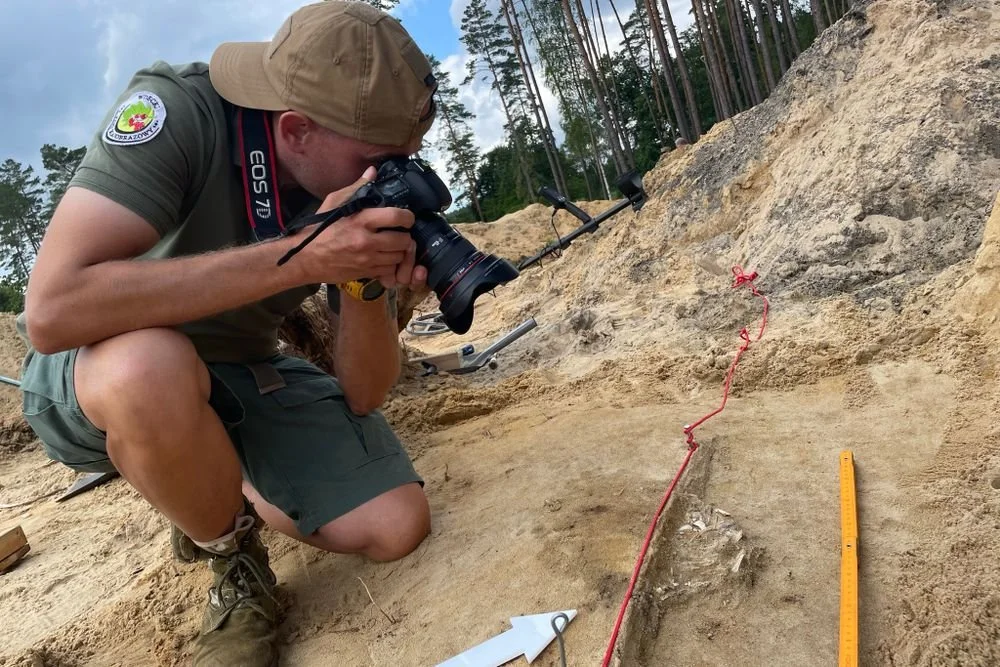
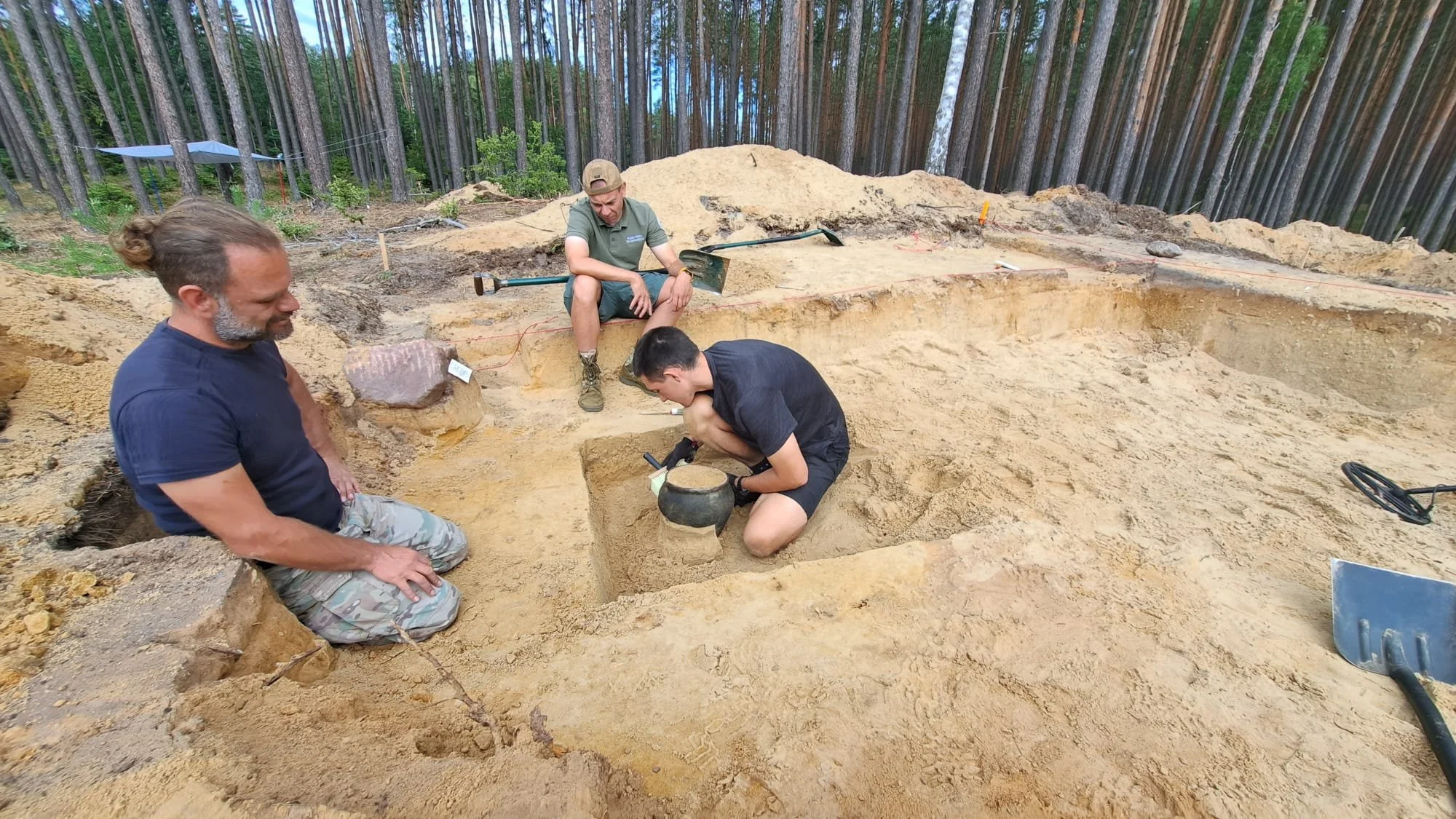
A 2,000-year-old Goth burial site in a Polish forest with antiquated jewelry has been discovered.

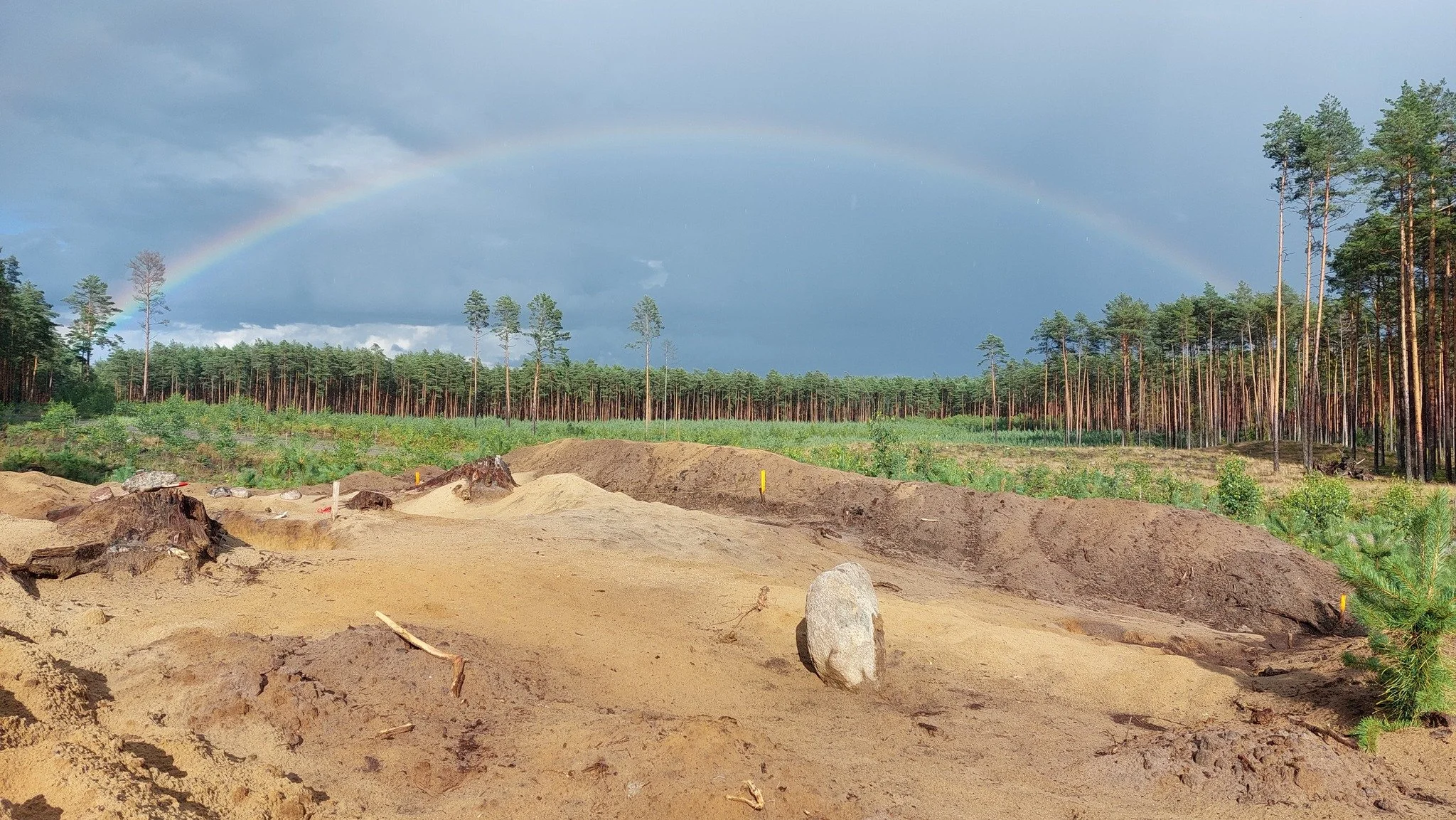
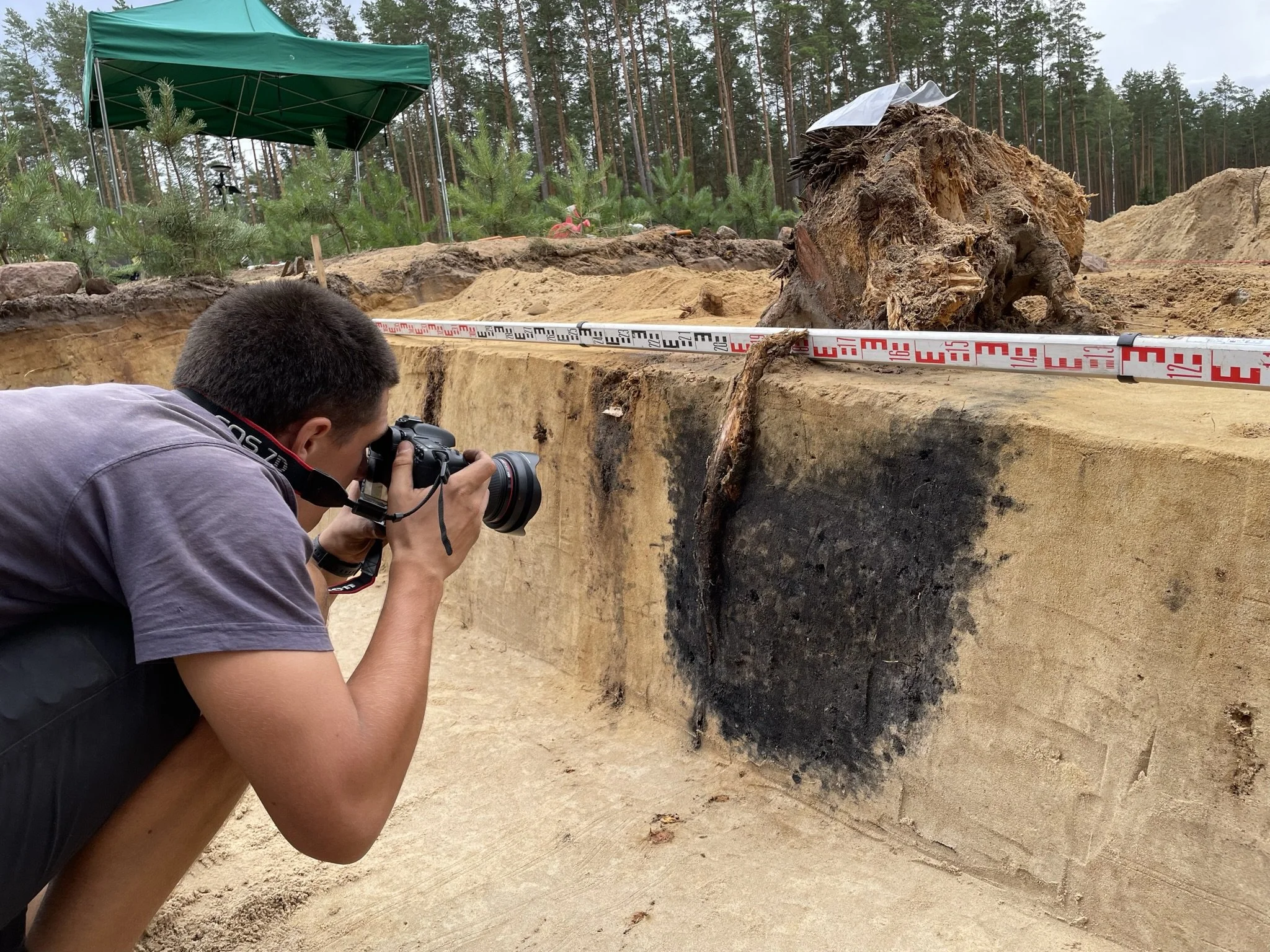
The 50 graves were discovered by archaeologists near the village of Stara Rzeka in north Poland.

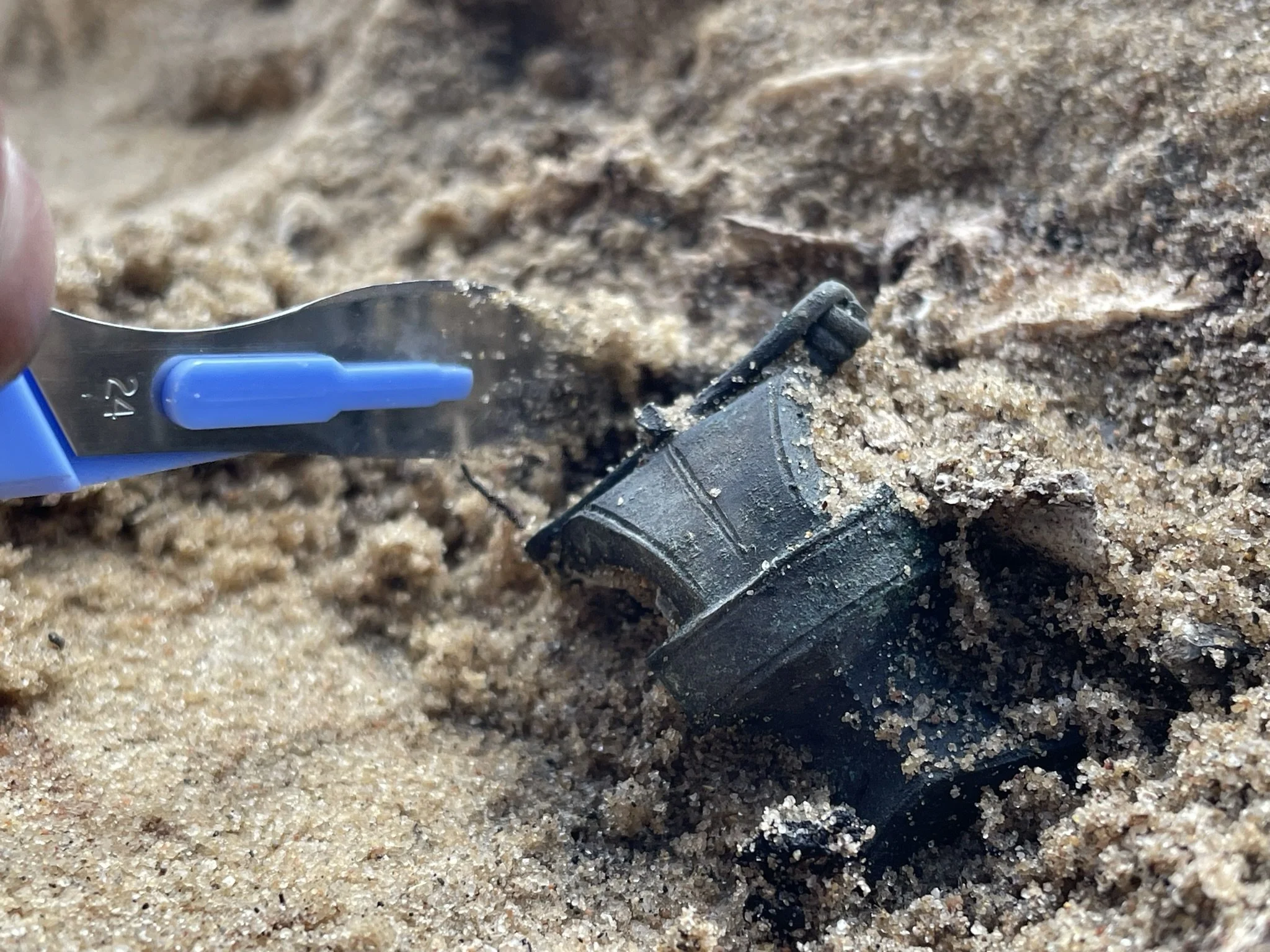
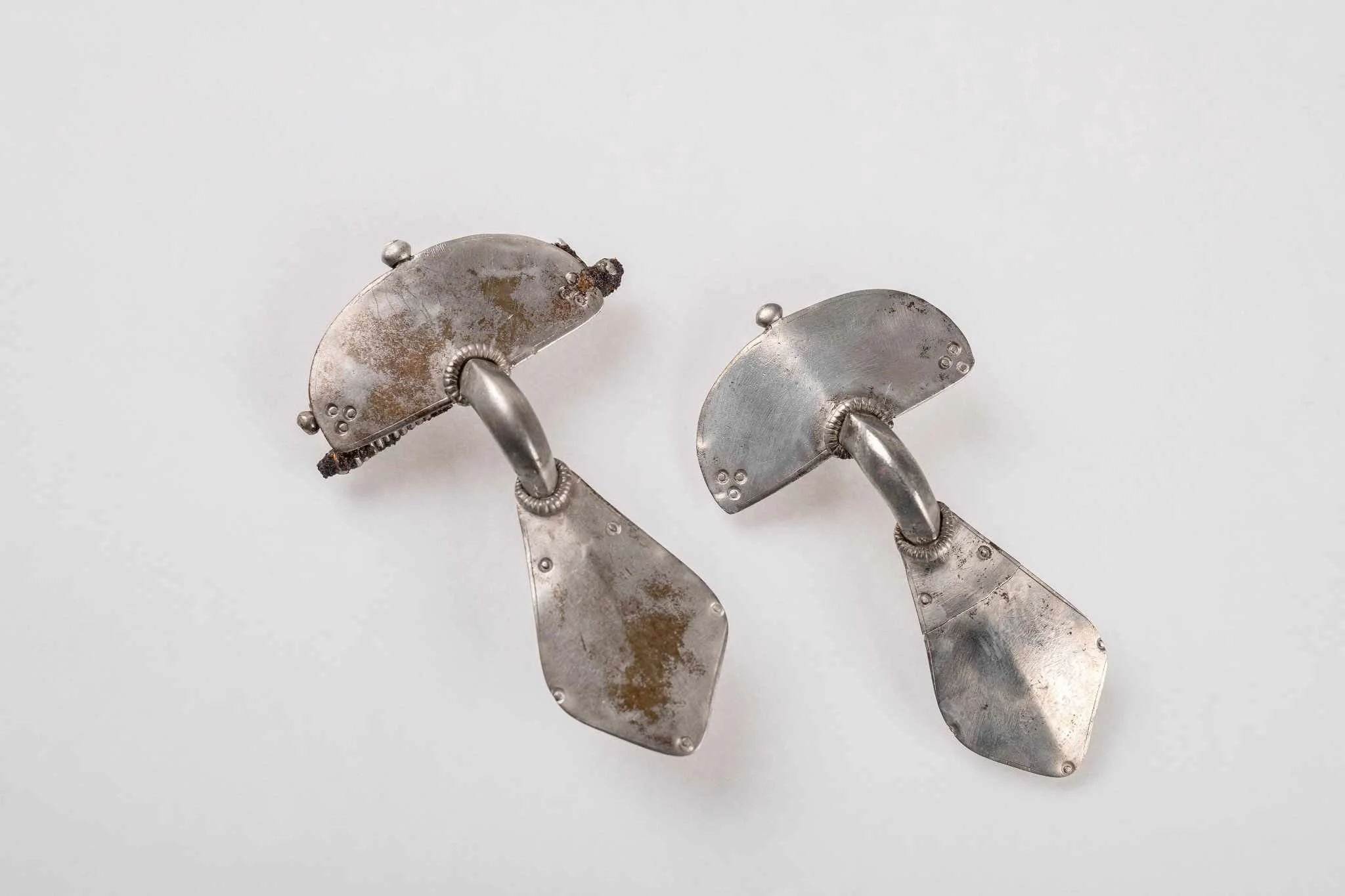
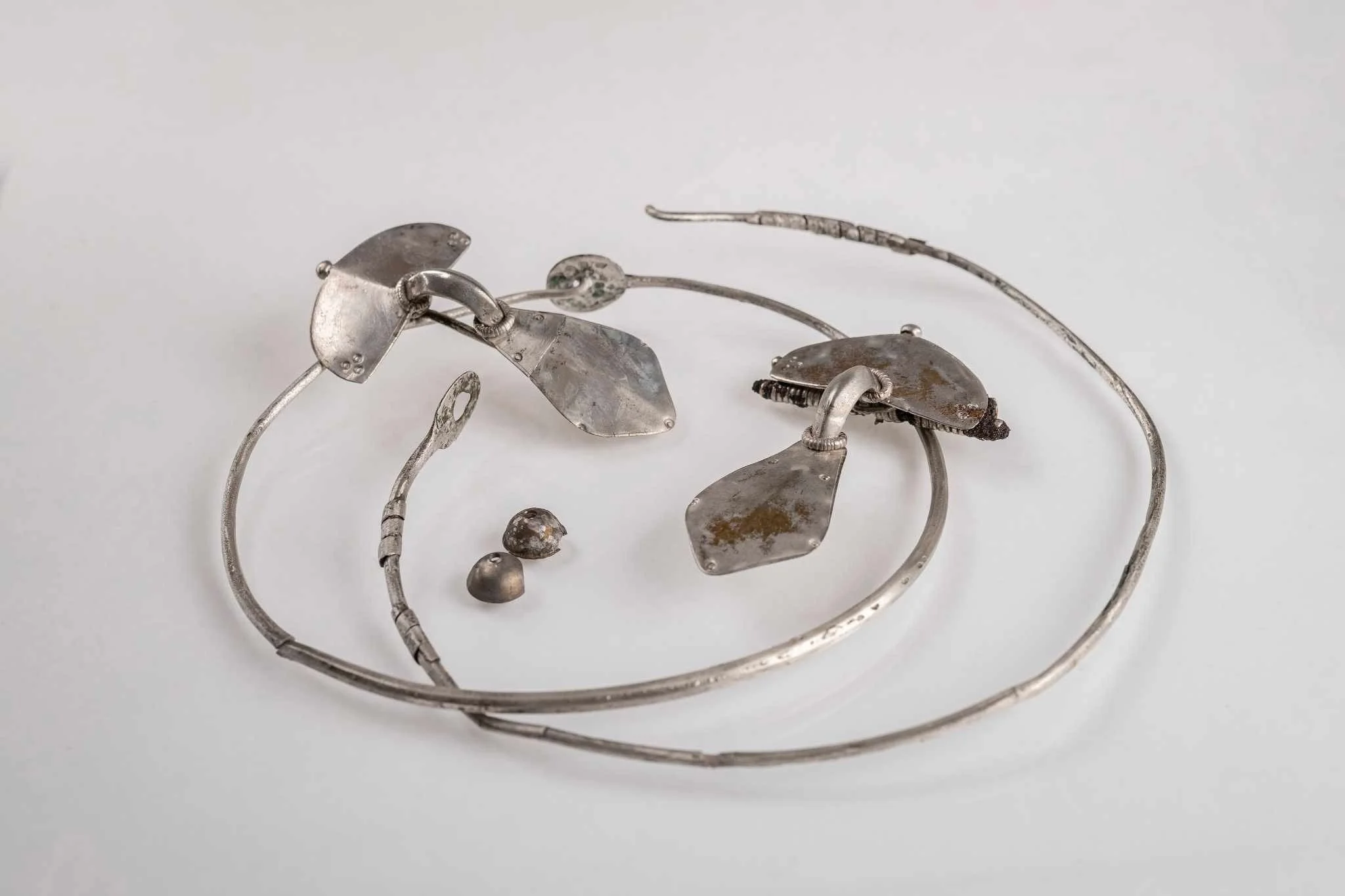
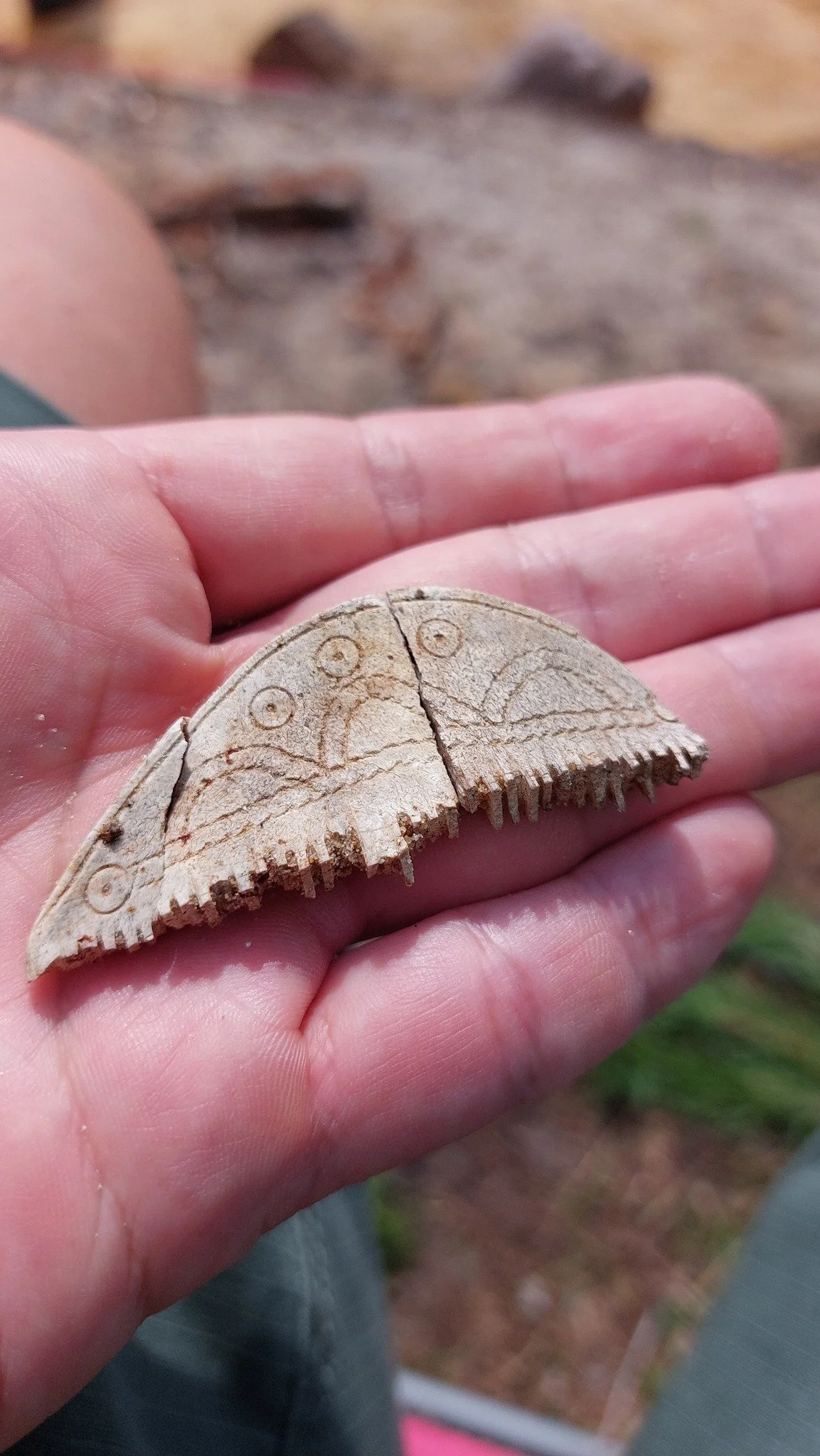
A great number of priceless artifacts, including two silver necklaces, two silver fibulae, pieces of a necklace composed of tiny silver beads, and jewelry with snake pattern, were found in the 50 graves that were found close to the settlement of Stara Rzeka.

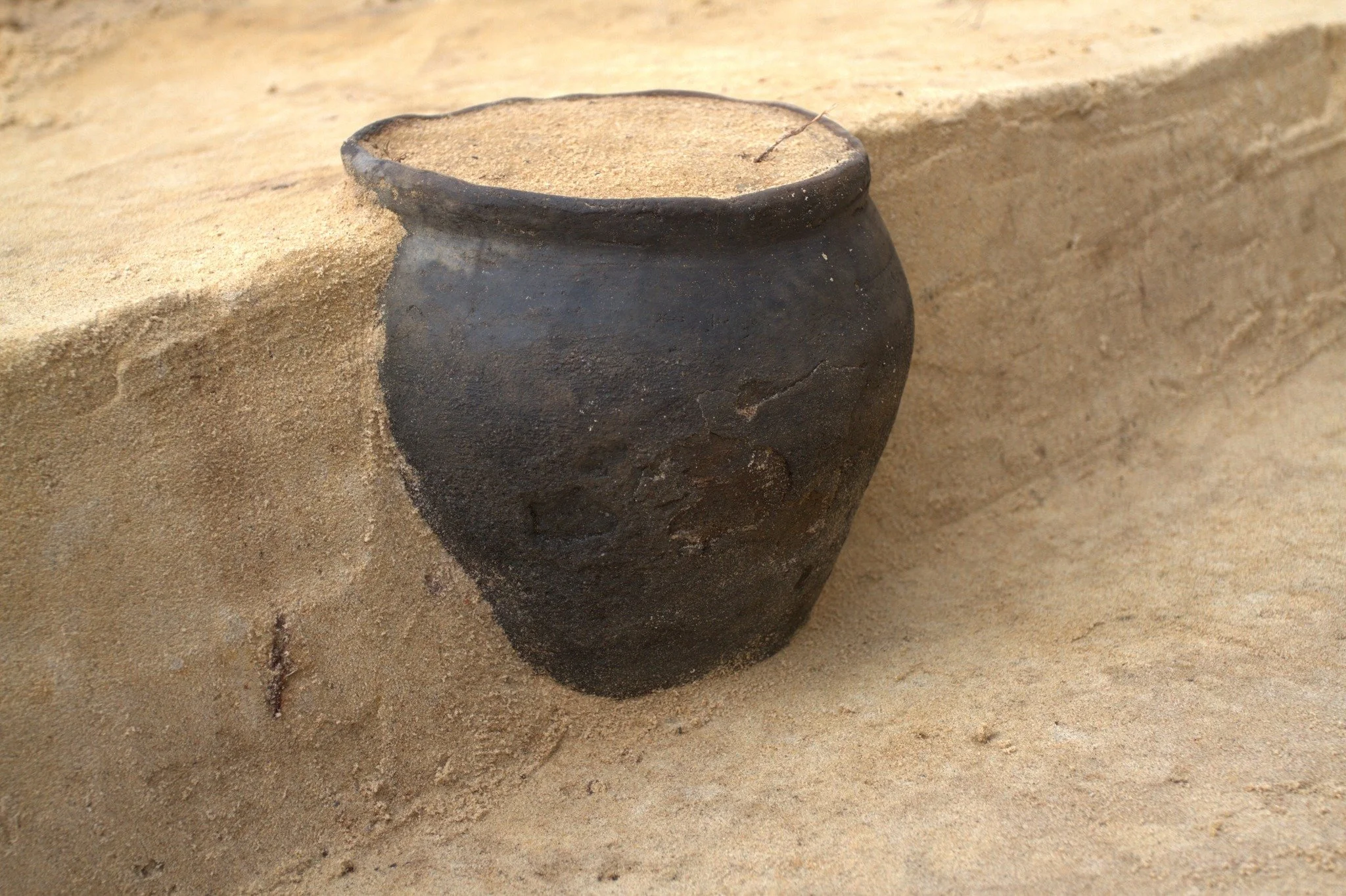
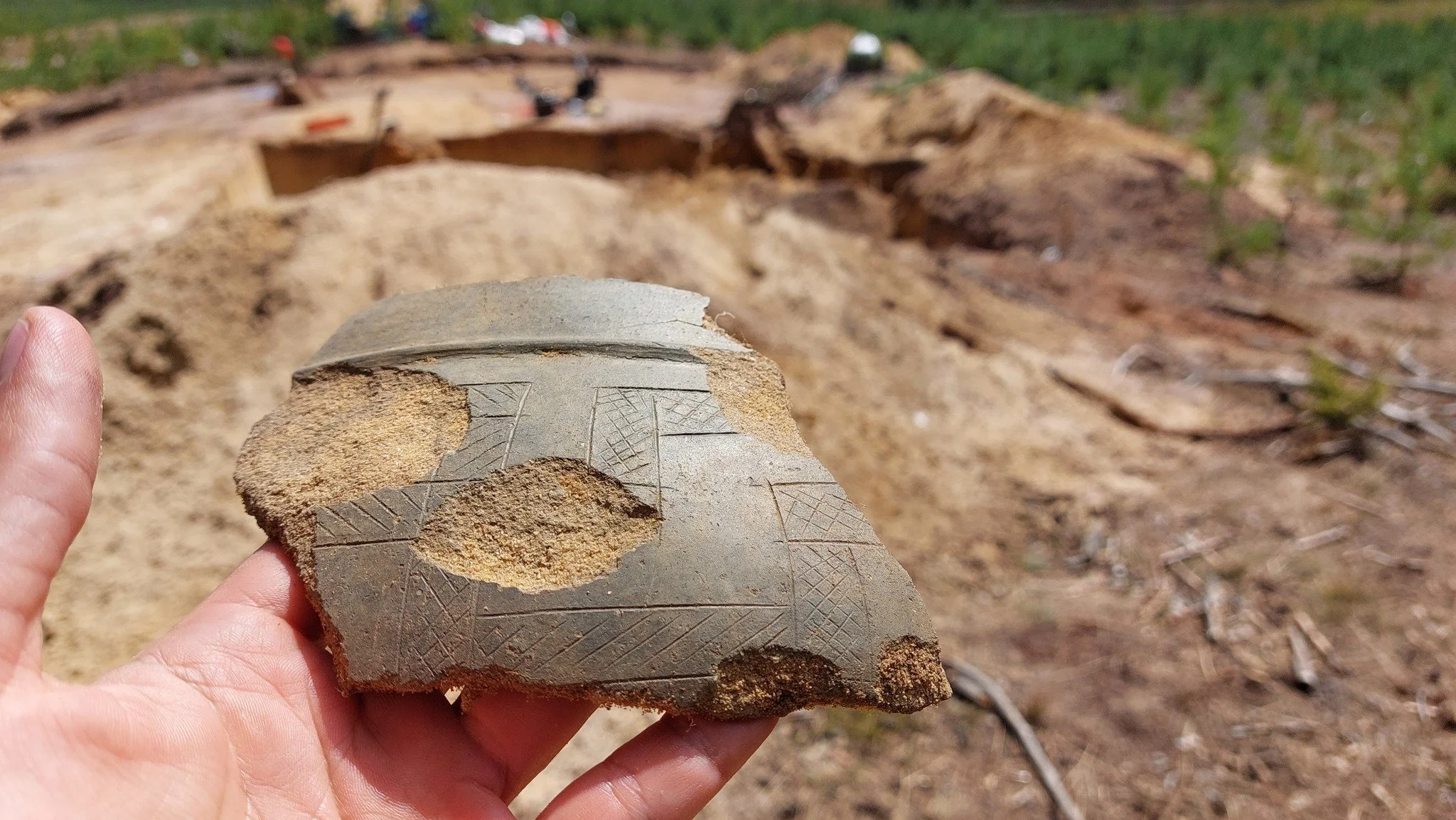
The archaeologists also discovered porcelain fragments and a 2,000-year-old urn that was in great condition.

The Wdecki Park Krajobrazowy posted on their Facebook page that the past three weeks had been extremely busy for the park's archaeological area.

We went out into the field to start preliminary examinations of the site after Olaf Popkiewicz, an archaeologist and the founder of the YouTube series "History Seekers" (Poszukiwacze Historii), discovered a Goth burial site in Stara Rzeka.

"Over the course of three weeks, we were able to analyze more than 250 square kilometers of the cemetery and find 50 graves!

This region of the site, which we estimate to be larger than one hectare, only makes up a minor portion of it.

"Unfortunately, urgent excavation studies are required to assist save and preserve the site due to the state of a significant portion of the found necropolis.

Because of this, our adventure in this location is probably only getting started.

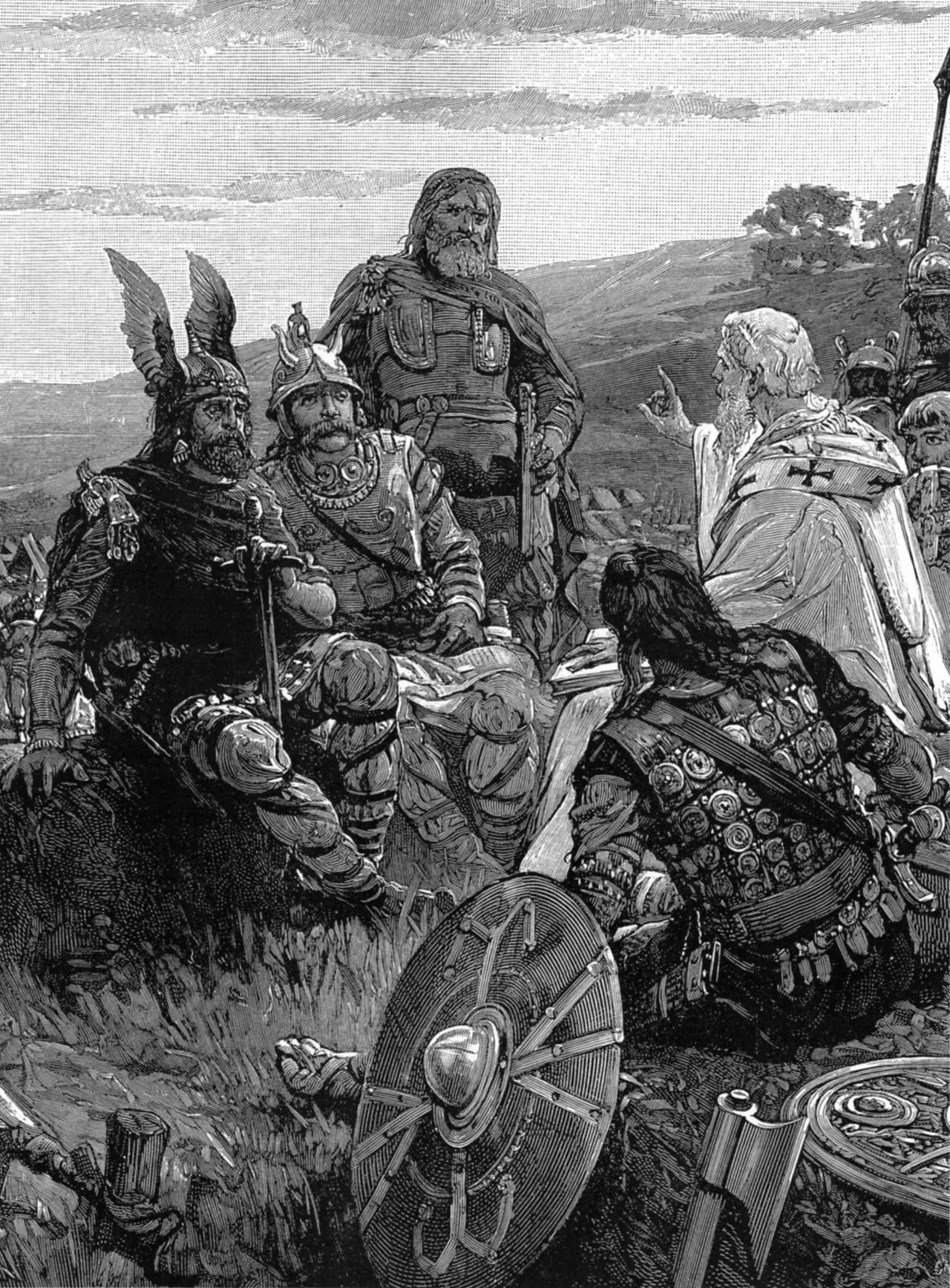
The early Goths were a Germanic people who lived in northern Poland between the first and fifth centuries AD. They are frequently associated with the Wielbark civilization. They helped bring about the fall of the Western Roman Empire and the rise of medieval Europe.

The archaeologists also found fragments if ceramics as well as perfectly intact 2,000-year-old urn.

In the vicinity of the settlement of Osie, not far from the newly found burial site, the Goths were known to have resided in wooded areas.

Archaeologists discovered the ruins of a Goth settlement in 2022. The settlement had a well-preserved spatial layout and 4th century AD artifacts.

Posting on their Facebook page, the Wdecki Park Krajobrazowy wrote: “The last three weeks have been very intensive for the park’s archaeological section.”

“In light of the discovery of a Goth burial site in Stara Rzeka, which was found by Olaf Popkiewicz [an archaeologist and creator of a YouTube channel called ‘History Seekers’ (Poszukiwacze Historii)], we went out into the field to begin initial studies of the site.

The park added: “Over three weeks we managed to analyse over 250 square kilometres of area of the cemetery and discover 50 graves!”

The Goths were known to have lived in wooded areas near the village of Osie, not far from where the new burial site was discovered (illustration pic).

Source: https://www.thefirstnews.com/article/goth-...

'Remarkably preserved' human bones in 'mystical' caves along the UK coast

Experts think there is proof that Bronze Age Britons mummified their corpses in a secluded cave on Scotland's northern shore.

The Covesea Caves range - an almost inaccessible series of caves along Scotland's northern coast (Image: Society of Antiquaries of Scotland)

Archaeologists discovered human bones scattered across the floor of the Covesea Caves range, a nearly inaccessible system of caves close to Inverness, when they began their excavations there. The fact that the bones in the hands still had soft tissue in them and that the remains were "remarkably well preserved" astounded them.

When excavating a site that is 3,000 years old, it's not something we anticipate, according to Dr. Lindsey Büster of the University of Edinburgh. That's a highly important discovery. There is no way to know for sure, but the bone might have once been a component of a fully fleshed corpse.

The investigators also discovered signs that fires had been ignited inside the caves, probably as the bodies were being spread out and preserved by smoke. Dr. Büster thinks this would indicate that people went to the location especially to mummify the remains of their friends and family members.

Archaeologists arriving at the mouth of the cave ( Image: Smithsonian Channel)

She went on to say, "I think once bodies began to be brought into the cave and were behaving in ways they didn't normally do on above-ground sites, those characteristics were probably well noted and became a factory of people coming back again and again over centuries to deposit their dead."

For Bronze Age Britons, who would have routinely made the trip some 3,000 years ago while carrying the bodies of their deceased, the voyage to the caves would have been dangerous. Dr. Büster continued, "For prehistoric people to make the effort and to make the journey would've been really arduous and quite a difficult thing to do."

She asserts that they behaved in this way because "something about this place gave it mystical, perhaps even magical properties." The information was discovered during filming the Smithsonian Channel series "Mystic Britain: Mummies" in 2020.

The first study to demonstrate that Bronze Age communities in all of Britain were purposefully attempting to preserve tissue on dead bodies was completed in 2015. Microscopic decomposition of skeletons from UK locations mirrored that in bones from other places of the world known to have been mummified, according to Dr. Tom Booth of Sheffield University.

The bone may have once been part of an entire fully fleshed corpse, but there's no way to know for certain ( Image: Smithsonian Channel)

Dr. Booth studied bone degeneration caused by bacteria using precise micro-analysis in collaboration with researchers from the Universities of Manchester and London. At the time, he stated: "Our research indicates that deliberate burial in a peat bog and smoking over a fire are two methods that ancient Britons may have employed to mummify their dead.

Other methods might have included organ removal soon after death through evisceration. The bones of the remains matched those of a partially mummified body found in a peat bog in County Roscommon, Ireland, and a mummified sample from northern Yemen.

Dr Lindsey Büster said it's a "really significant find" ( Image: Smithsonian Channel)

"When a person passes away, their gut bacteria spreads out around their body and begins to decompose tissue," continued Dr. Booth. However, if a body is mummified—which can refer to any method of consciously preserving flesh—that stops. Finding a reliable way to recognize mummified skeletons is a challenge for archaeologists, especially when they come across skeletons buried outside of a secure setting.

"To help with this, our team has discovered that by using microscopic bone analysis archaeologists can determine whether a skeleton has previously been mummified even when it is buried in an environment that isn't conducive to mummified remains," the researchers write. However, history fans wanting to find Egyptian-style mummies wrapped in miles of white cloth in Britain will be dissatisfied. "There is evidence that people in the Bronze Age were wrapping bodies up to a certain extent, but it was not quite as elaborate as the Ancient Egyptians," Dr. Booth said.

Source: https://www.mirror.co.uk/news/uk-news/insi...

Archaeologists have discovered a 4,000-year-old steppe pyramid in Kazakhstan

Archaeologists have discovered a large-sized 4,000-year-old steppe pyramid of the Bronze Age in Kazakhstan.

Archaeologists of L. N. Gumilyov Eurasian National University discovered a massive Bronze Age steppe pyramid associated with a horse cult in the steppes of Kazakhstan. Nothing like this has been discovered before in the Eurasian steppes.

Since 2014, the scientists of the Archaeology and Ethnology Department of the Faculty of History of the Eurasian National University have been conducting archaeological excavations at the Kyrykungir complex monument near Toktamys village in the Abai district of the Abai region.

Previous archaeological digs have unearthed groupings of sepulchral hillocks originating from the Hun (4th-6th century AD) and Saka (mid-2nd century BC to mid-1st century AD) periods. These burial sites have revealed an assortment of mortuary contents, encompassing ceramic containers, culinary tributes and intricately fashioned bronze beads.

As a result of the research conducted with the participation of ENU students and masters, a large-scale steppe pyramid was discovered of the early second millennium BC, that is, four thousand years ago, the Bronze Age, not found before in the Eurasian steppe.

“The steppe pyramid is built with great precision, it is hexagonal. There are thirteen meters and eight rows of stones between each face. It is a very sophisticated complex structure with several circles in the middle. The exterior walls of the structure of this complex are dominated by images of various animals, especially horses.

Findings in excavations, ceramics, female gold earrings and other jewelry indicate that this Bronze Age was the center of culture in ancient times. This means that even at that time the cult of the horse was extremely high, as evidenced by the discovery of horse bones around the stone building. There are also images of camels,” Ulan Umitkaliyev, a historian, Head of ENU’s Archeology and Ethnology Department said.

The Eurasian steppe played a significant role in the Bronze Age, a period characterized by the widespread use of bronze for tools, weapons and other artifacts. The steppe region, which stretches from Eastern Europe to Asia, served as a conduit for cultural exchange, trade and the movement of people.

These 5,000 Year Old Artifacts Have Completely Changed Our Understanding Of The Neolithic Period

A team of archeologists have arrived at a village called Waim in the mountains of Papua New Guinea’s Bismarck Range. The evening light is fading so Shaw and archeologists only have time to dig one exploratory trench. Almost immediately, the ground yields an expertly carved pestle. It’s more than 4,000 years old and is the first of many more extraordinary finds to come.

Alexander the Great's Legendary Speech at Opis in Today's Words

In this video we will present the legendary speech Alexander gave to prevent a rebellion at Opis, drawn from Arrian's monumental work, "Anabasis of Alexander." This modernized rendition allows us to peer into the mind of one of history's most captivating figures, preserving the essence of the original while engaging the contemporary audience.

Hear Alexander's passionate words as he addresses his troops at a pivotal moment, bridging the gap between past and present, history and today's relevance. Enjoy!

A Mysterious Chapel Has Been Found in Istanbul

While Istanbul continues to surprise with the richness of its historical heritage, this time a chapel was discovered in Bağcılar. While the historical building, which is not known exactly when and by whom it was built, draws attention to its unprotected and derelict condition, archaeologists suggest excavations in the region.

Located in the Bağcılar district of Istanbul, this structure, which resembles a passage when viewed from afar, draws attention as one of the forgotten historical spots of Istanbul.

While the building is estimated to be a chapel, there are workplaces around it and a school on top of it.

Answering the questions of NTV reporter Sinan Kunter, Archaeologist Ömer Faruk Yavaşçay said that he noticed the historical structure while researching on city maps.

Archaeologist Yavaşcay states that on some old maps, the structure is shown as “Ayazma”, which means holy water for Orthodox.

Noting that there was a Greek village in the region during the Ottoman period, Yavaşçay says that the structure was probably built by the people of the Greek Village in the late 1800s.

Yavaşçay, who also talked to the people of the region about the structure, learned that this place has used as a fountain 25-30 years ago.

Indicating that a detailed excavation work should be carried out in the region in order to obtain more information, Yavaşçay emphasizes that the chapel should be taken care of and protected.

The Bağcılar district is the fourth most populous in the Istanbul Municipality. It name was given due to the abundance of vineyards. The name bağcılar means “vine growers” in Turkish. The district used to be known as Yeşilbağ, which translates to “green vineyard”.

Dragons: History, Mythology, Meaning

Today’s video is an examination of various dragons in myth, primarily focusing on European dragons, and the similarities and differences with East Asian dragons. Enjoy!

Giant Ancient Walls Discovered in the Biblical Libnah

There is a place, sitting a top of the Judean foothills, that for past few years had been dug by archaeologists of the Ariel University. At first, this place seemed to be just a simple ancient town, but when they started digging, they found giant fortification walls, massive gates, and a layer of destruction that dates back a whole millennia before Christ.

So what was this place, why did the construct the giant walls and a fortification, and more importantly why was it destroyed? Watch the video below to find out!

Once-in-a-hundred-lifetimes find

A man in the U.K. has unearthed a 24-karat gold pendant and chain that experts say may be linked to King Henry VIII’s first wife! ABC News’ Will Ganss explains what he plans to do next.

William of Cassingham: the Commoner Who Saved England

Is the English hero William of Cassingham the real Robin Hood?

In the reign of King John, one man stood alone against the tyranny of an unwanted king. Fleeing the authorities for the protection of the deep woods, he raised a band of bowman and launched cunning ambushes on the corrupt knights and lords who travelled through the trees.

Does this sound like the Robin Hood legend to you?

In fact, this is the story of William of Cassingham, a man known as Willikin of the Weald. A forgotten English hero and a man often named as the historical Robin Hood.

But is this true?

Find out all about William’s life and his heroic exploits in the war against Prince Louis and his army of French knights and rebel English barons and discover for yourself if it's anything like the legend of Robin Hood.

How did Japan become Buddhist?

In the following video we will be explaining how Japan became Buddhist. Watch the video to find out more!

Units of History - Nubian Archers - Longbowmen of Africa Documentary

In this documentary we explore the story of the Nubian Archers - Longbowmen of Africa. The video begins with an introduction to the lands of the Nile, its geography, and the entwined development of both Egypt and Nubia. In this context it appears that the Nubian Archers existed from the very start as skilled hunters in southern civilization. Over time they would develop such a reputation that the ancient Egyptians would call the area of ancient Nubia, Tah-Seti, the Land of the Bow.

Both the Egyptian Army and the Nubian Army would clash for centuries along the Nile. Such was the threat from Nubia that the Pharaohs began to fortify the region of the first cataract with a series of Egyptian Fortifications like the Buhen Fortress. Yet even still the Nubian Archers could not be stopped and their armies are said to have regularly managed to storm these bastions. The Egyptians recognized the military prowess of the Nubian Archers and quickly hired them as mercenaries in their own armies. This was a trend that would continue with later Empires that interacted with the Lands of Nubia.

We talk specifically about what the equipment of these Nubian archers, how they were trained, how they were organized, and how they fought in battle. Finally the documentary concludes with an overview of their service history that would span hundreds of years through the Kingdom of Kerma, the Kingdom of Napata, and the Kingdom of Meroe.