Many mythical creatures have roots in real-world observations. Fossils, unusual animals, or exaggerated traits inspired stories of dragons, griffins, and other monsters. By examining these origins, we can trace the connections between imagination, observation, and early science.
Dragons and Fossils
Dragons appear in myths across cultures, often as giant, serpentine beasts. Some scholars suggest that fossilized bones of dinosaurs or large prehistoric reptiles inspired these legends. In regions like China and Europe, discoveries of enormous bones may have fueled tales of fire-breathing monsters.
Griffins and Ancient Gold Mines
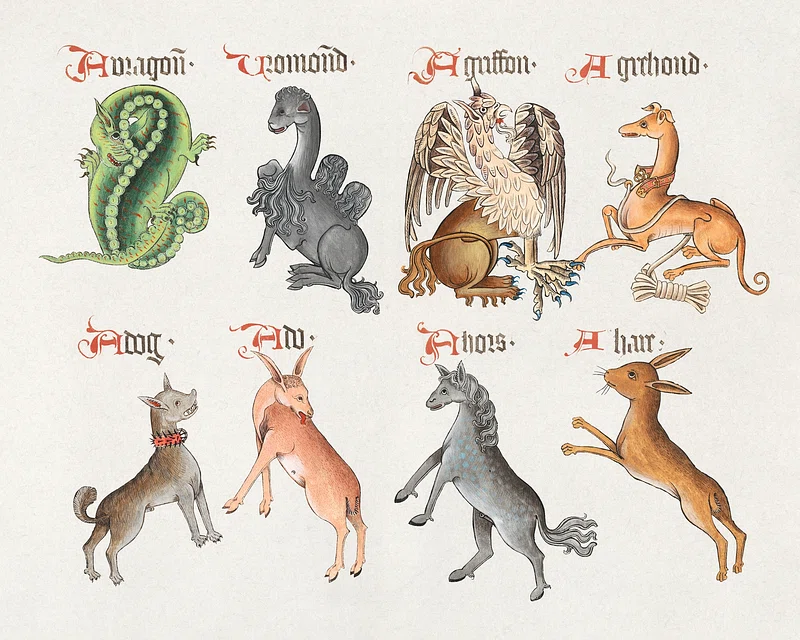
The griffin, with the body of a lion and head of an eagle, was a central figure in Greek mythology. Some evidence suggests that Protoceratops fossils found in Central Asia may have influenced these depictions. The placement of these fossils near gold-rich areas likely contributed to the myth’s association with treasure protection.
Sea Monsters and Real Creatures
Many sea monsters—krakens, leviathans, and giant squids—originated from sailors’ encounters with real but rarely seen marine animals. Misidentifications, exaggeration, and fear of the unknown transformed whales, giant squids, or unfamiliar fish into legendary beasts.
Cultural Functions of Myths
These mythical creatures served multiple purposes. They explained natural phenomena, warned of danger, or embodied moral lessons. Myths reflected observation, imagination, and cultural storytelling, creating a shared framework for understanding the world.
A Blend of Reality and Imagination
Ancient mythical creatures illustrate how humans interpreted their environment. Fossils, unusual animals, and dramatic events became the raw material for stories that combined reality and fantasy. These myths shaped art, literature, and culture for millennia.