• MAIN PAGE
  • LATEST NEWS
    • Lost Cities
    • Archaeology's Greatest Finds
    • Underwater Discoveries
    • Greatest Inventions
    • Studies
    • Blog
  • PHILOSOPHY
  • HISTORY
  • RELIGIONS
    • Africa
    • Anatolia
    • Arabian Peninsula
    • Balkan Region
    • China - East Asia
    • Europe
    • Eurasian Steppe
    • Levant
    • Mesopotamia
    • Oceania - SE Asia
    • Pre-Columbian Civilizations of America
    • Iranian Plateau - Central Asia
    • Indus Valley - South Asia
    • Japan
    • The Archaeologist Editor Group
    • Scientific Studies
    • Aegean Prehistory
    • Historical Period
    • Byzantine Middle Ages
    • Predynastic Period
    • Dynastic Period
    • Greco-Roman Egypt
  • Rome
  • PALEONTOLOGY
  • About us
Menu

The Archaeologist

  • MAIN PAGE
  • LATEST NEWS
  • DISCOVERIES
    • Lost Cities
    • Archaeology's Greatest Finds
    • Underwater Discoveries
    • Greatest Inventions
    • Studies
    • Blog
  • PHILOSOPHY
  • HISTORY
  • RELIGIONS
  • World Civilizations
    • Africa
    • Anatolia
    • Arabian Peninsula
    • Balkan Region
    • China - East Asia
    • Europe
    • Eurasian Steppe
    • Levant
    • Mesopotamia
    • Oceania - SE Asia
    • Pre-Columbian Civilizations of America
    • Iranian Plateau - Central Asia
    • Indus Valley - South Asia
    • Japan
    • The Archaeologist Editor Group
    • Scientific Studies
  • GREECE
    • Aegean Prehistory
    • Historical Period
    • Byzantine Middle Ages
  • Egypt
    • Predynastic Period
    • Dynastic Period
    • Greco-Roman Egypt
  • Rome
  • PALEONTOLOGY
  • About us

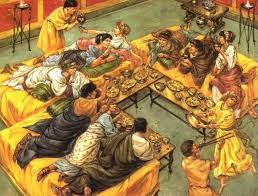
Ritual Feasting in the Ancient World

April 1, 2026

Feasts as Social Glue

Feasting was more than nourishment in ancient societies—it was a key social and ritual practice. Archaeological evidence reveals that communal gatherings, sacrifices, and celebratory meals reinforced bonds, marked seasonal events, and honored the divine.

Evidence from Archaeology

Excavations of ancient settlements often uncover large cooking areas, specialized serving vessels, and animal remains arranged in ceremonial ways. These findings suggest organized, communal events rather than ordinary daily meals.

Sacrifices and Offerings

Ritual feasting frequently included sacrifices. Animals, grain, or even prized objects were offered to gods, ancestors, or spirits. Such practices symbolized gratitude, appeasement, or petition for protection. In some cultures, human sacrifices were performed, though usually restricted to rare and extreme circumstances.

Cultural Significance

Feasts strengthened community identity. They provided opportunities to display wealth, status, and generosity. Leaders or religious figures often organized and hosted feasts, reinforcing social hierarchy.

Seasonal and Ceremonial Gatherings

Feasting was linked to seasonal cycles—harvest festivals, solstices, or lunar events. These gatherings marked transitions, celebrated abundance, and ensured communal cooperation in agricultural societies.

A Legacy of Celebration

Ritual feasting left a lasting impact on culture. Traditions of communal meals, festivals, and ceremonial banquets continue in modern societies. Ancient feasts remind us that food, ritual, and social cohesion have been intertwined since the dawn of civilization.
Ancient Mythical Creatures Inspired by Real Animals →
Featured
image_2026-03-29_125757686.png
Apr 1, 2026
Ritual Feasting in the Ancient World
Apr 1, 2026
Read More →
Apr 1, 2026
image_2026-03-29_125706376.png
Apr 1, 2026
Ancient Mythical Creatures Inspired by Real Animals
Apr 1, 2026
Read More →
Apr 1, 2026
image_2026-03-29_125627825.png
Apr 1, 2026
The Oldest Maps of the Ancient World
Apr 1, 2026
Read More →
Apr 1, 2026
image_2026-03-29_125548859.png
Apr 1, 2026
Ancient Codes and Undeciphered Languages
Apr 1, 2026
Read More →
Apr 1, 2026
image_2026-03-29_125511005.png
Apr 1, 2026
The Secrets of Ancient Metallurgy
Apr 1, 2026
Read More →
Apr 1, 2026
image_2026-03-29_125250501.png
Apr 1, 2026
Ancient Civilizations of the Arctic Circle
Apr 1, 2026
Read More →
Apr 1, 2026
read more

Powered by The archaeologist