According to Adrienne Mayor, author of the book The Amazons: Lives and Legends of Warrior Women Across the Ancient World, "As she's dying, he takes off her helmet and falls in love with her."
Penthesilea was referred to as a strong Amazon queen who led a band of formidable female warriors that were equally skilled and strong as males. They hunted well, were skilled with a bow, and engaged in horseback combat. The concept of fierce female fighters captivated the ancient Greeks, whether or not Penthesilea was an actual historical figure. Heroes like Hercules and Theseus battled Amazons as well; the latter even wed Hippolyta, another Amazon queen and Penthesilea's sister, and traveled to Athens with him. Vases and other Greek artifacts and crafts frequently include Amazons.
According to Mayor, "perhaps it was a way for the Greeks to imagine what it would be like to have a society ruled by women because they had a very male-dominated society."
But because the Amazons left no written records behind, many people doubted their existence—possibly because they held the sexist view that women couldn't have engaged in combat and hunting like men. According to Mayor, "for a very long time, historians and traditional tales believed that the mythology of the Amazon were just pure fables.
At least until a number of burials of female warriors were discovered in Central Asia starting in the 1970s, which may very likely relate to the mythical Amazonians.
Scythia
The Greeks thought the feisty, horse-obsessed ladies originated from far areas to the northeast of Greece; many scholars now think that region to have been Scythia, a huge region that approximately stretched from north of the Black Sea in the west to Mongolia in the east.
The nomadic steppe tribes that lived in Scythia from around the 8th century B.C. until the end of the 5th century A.D. presumably spoke a range of distinct languages, according to Mayor. As a result, the Scythians were not a single society.
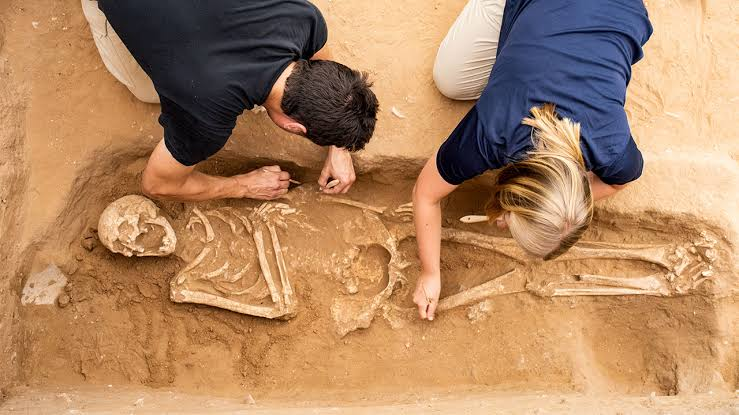
Archaeologists had found many burials from this era in this vast area, but it wasn't until the 1970s that they started to find female Scythians buried alongside males with horses and weapons. Some of them had obvious combat wounds, and some ladies were even interred together; in one instance in western Russia, it appeared that three generations shared a single tomb.
"[Women] were buried with the same honors as men, and with the same battle scars," Mayor claims.
According to her, early Greek depictions of Amazons frequently represented them as looking more like Greek women. However, as time went on and the Greeks apparently came into contact with the nomadic tribes of Scythia, the pictures started to show Amazons who looked more like Scythians riding horses and wielding bows.
"They are dressed like the women we find in the graves," Mayor remarks.
Divergent Narratives
Others outside the Greeks also written about these women. Chinese, Egyptian, and Persian writings all made mention to amazons, albeit their descriptions varied slightly. The majority of what we know about the Scythians comes from the other cultures who were in their vicinity because they lacked a written language of their own. Despite the possibility that some of these stories contain some elements of fact, the majority speak more to the culture of the author than to the Scythian women themselves.
Greek mythology frequently had a male hero defeating an Amazon, for instance. They were only able to envision a zero sum game, according to Mayor. She continues, "The battles are always portrayed as very suspenseful." Of course you won't tell tales about foreign women beating your heroes in Greece.
Conflicts and trade with Amazons were mentioned in Persian, Chinese, and Egyptian texts, but the tales are a little more realistic, with more evenly matched clashes that finally led to alliances. To keep wandering tribes at bay, the Great Wall of China was erected. Although the name "Amazon" is not a Greek word and first appears in Greek narratives, some linguists think it may be related to the Persian word "Hamazon," which means "warrior."
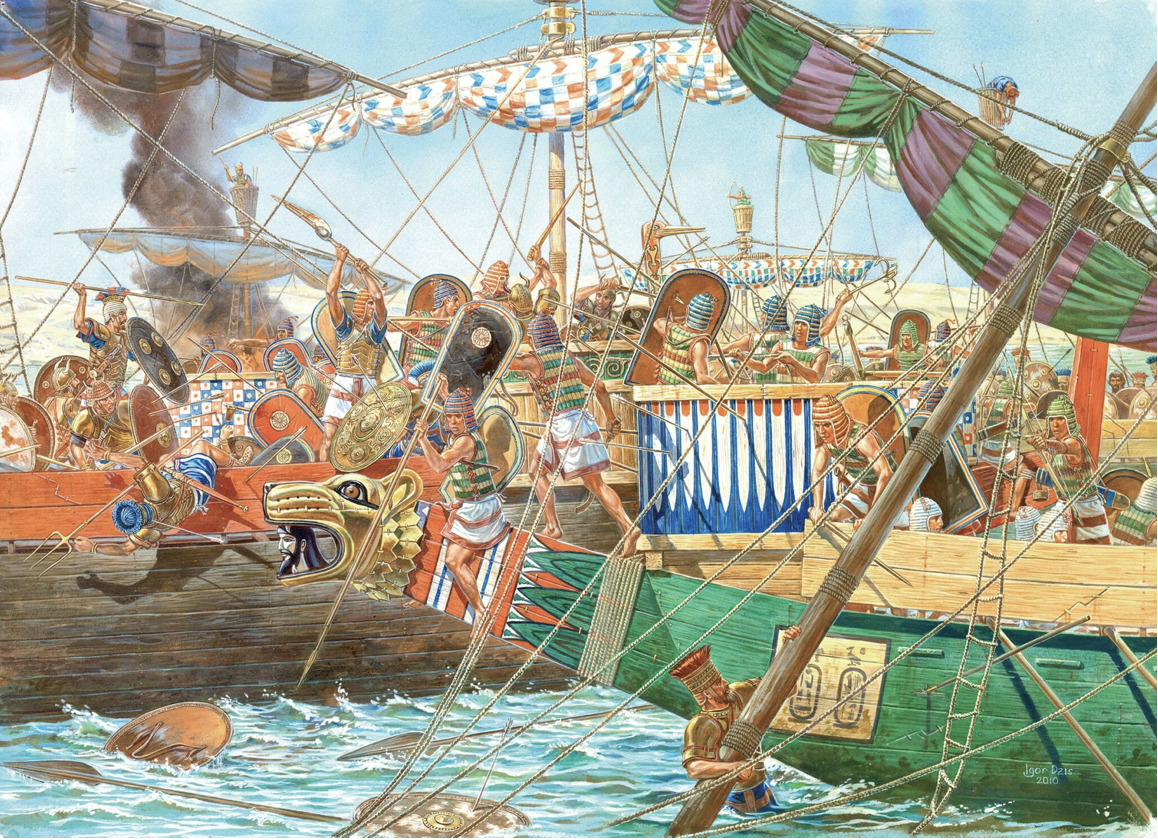
Pedikhons, an Egyptian king, fought Serpot, an Amazon queen, for three days before they were both too fatigued to continue and decided to establish an alliance, according to pieces of Egyptian papyrus.
"It's very different from the ancient Greek society," Mayor claims.
These stories would endure for generations, and the name of the Amazon River was inspired by information that European colonial colonists learned about South American tribes that practiced equality.