• MAIN PAGE
  • LATEST NEWS
    • Lost Cities
    • Archaeology's Greatest Finds
    • Underwater Discoveries
    • Greatest Inventions
    • Studies
    • Blog
  • PHILOSOPHY
  • HISTORY
  • RELIGIONS
    • Africa
    • Anatolia
    • Arabian Peninsula
    • Balkan Region
    • China - East Asia
    • Europe
    • Eurasian Steppe
    • Levant
    • Mesopotamia
    • Oceania - SE Asia
    • Pre-Columbian Civilizations of America
    • Iranian Plateau - Central Asia
    • Indus Valley - South Asia
    • Japan
    • The Archaeologist Editor Group
    • Scientific Studies
    • Aegean Prehistory
    • Historical Period
    • Byzantine Middle Ages
    • Predynastic Period
    • Dynastic Period
    • Greco-Roman Egypt
  • Rome
  • PALEONTOLOGY
  • About us
Menu

The Archaeologist

  • MAIN PAGE
  • LATEST NEWS
  • DISCOVERIES
    • Lost Cities
    • Archaeology's Greatest Finds
    • Underwater Discoveries
    • Greatest Inventions
    • Studies
    • Blog
  • PHILOSOPHY
  • HISTORY
  • RELIGIONS
  • World Civilizations
    • Africa
    • Anatolia
    • Arabian Peninsula
    • Balkan Region
    • China - East Asia
    • Europe
    • Eurasian Steppe
    • Levant
    • Mesopotamia
    • Oceania - SE Asia
    • Pre-Columbian Civilizations of America
    • Iranian Plateau - Central Asia
    • Indus Valley - South Asia
    • Japan
    • The Archaeologist Editor Group
    • Scientific Studies
  • GREECE
    • Aegean Prehistory
    • Historical Period
    • Byzantine Middle Ages
  • Egypt
    • Predynastic Period
    • Dynastic Period
    • Greco-Roman Egypt
  • Rome
  • PALEONTOLOGY
  • About us

The Ancient Greek Gymnasium: More Than Just Exercise

November 28, 2025

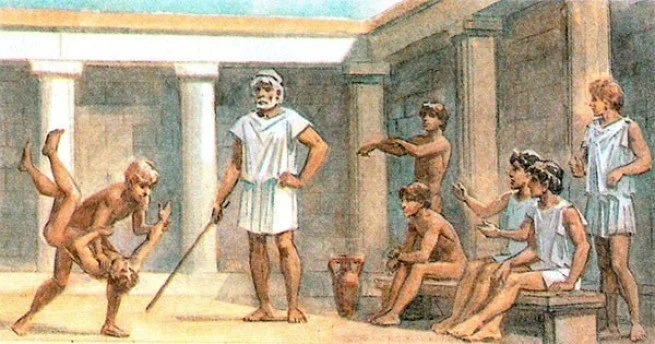
In ancient Greece, the gymnasium was not merely a place for athletic training it was a center of education, philosophy, and civic life.

Origins and Purpose

Young men trained nude (from gymnos, “naked”) to prepare for warfare and competition. However, gymnasiums evolved into cultural hubs where citizens studied literature, music, mathematics, and ethics.

Philosophical Importance

Philosophers like Plato, Aristotle, and Socrates taught or conversed within gymnasium grounds. The blending of physical and intellectual training reflected the Greek ideal of a balanced mind and body.

Social and Political Role

Gymnasiums also functioned as meeting places where political ideas spread. Citizens debated local issues, exchanged information, and reinforced communal identity.

Lasting Influence

The modern word “gym” reflects this legacy. Today’s educational philosophies emphasizing holistic development trace their roots to these ancient institutions.

The Secrets of the Nazca Mummies

November 28, 2025

The Nazca civilization of Peru, known for its desert geoglyphs, also left behind mummies that reveal fascinating details about their rituals, society, and beliefs.

Natural Preservation in the Desert

The coastal desert’s dry climate naturally preserved bodies buried in pit tombs. Many were found wrapped in elaborate textiles, suggesting that weaving was a central art form.

Mummification Practices

Nazca mummification involved:

  • Removing internal organs

  • Packing the body with cotton or plant fibers

  • Dehydrating the remains

  • Wrapping them in ornate textiles

Some mummies show signs of cranial modification, a practice symbolizing identity or status.

Ritual Significance

Nazca tombs often included offerings such as pottery, food, and tools. The dead were believed to maintain influence over the living, making ancestor worship a vital cultural practice.

Recent Discoveries

Modern analyses reveal:

  • Evidence of anemia, malnutrition, and disease

  • Tattoos preserved on skin

  • Ritual decapitation in some cases, likely symbolizing spiritual power

Controversies

Recent claims about “alien-like” mummies in Peru have been debunked by experts. Genuine Nazca mummies reflect human traditions, not extraterrestrial origins.

The Influence of Egyptian Hieroglyphs on Writing Systems

November 28, 2025

Egyptian hieroglyphs, developed around 3200 BCE, represent one of the earliest writing systems in human history. Their artistic beauty and complexity influenced neighboring cultures and left a lasting mark on global writing traditions.

Origins and Structure

Hieroglyphs combined logograms (pictures representing words), phonetic signs (sounds), and determinatives (clarifying meaning). Scribes mastered hundreds of symbols and wrote on temple walls, tombs, and papyrus.

Influence on the Sinai and Proto-Alphabetic Scripts

Workers and traders in the Sinai region adapted simplified hieroglyphic symbols into a writing system that eventually evolved into the Proto-Sinaitic alphabet around 1800 BCE. This alphabet is widely considered the ancestor of:

  • Phoenician script

  • Greek alphabet

  • Latin alphabet

In a sense, modern writing systems including English owe their origins to adaptations of Egyptian signs.

Impact on Art and Religious Texts

Hieroglyphs shaped how Egyptians expressed sacred ideas. Their use in funerary texts, like the Book of the Dead, influenced how other cultures viewed writing as a spiritual tool.

Rediscovery and Modern Influence

When hieroglyphs were deciphered in 1822 by Jean-François Champollion using the Rosetta Stone, the world gained access to thousands of years of Egyptian literature, records, and religious texts. Today, hieroglyphic motifs appear in art, design, and pop culture.

The Story of the Trojan Horse: Strategy or Myth?

November 28, 2025

The Trojan Horse remains one of history’s most iconic legends a tale of deception, strategy, and downfall. But was it a real military tactic or a literary invention?

The Myth as Told in Ancient Literature

Homer does not describe the horse in the Iliad, but later works such as Virgil’s Aeneid and various Greek epics give a vivid account. After ten years of siege, the Greeks pretended to sail away, leaving behind a massive wooden horse as an offering to Athena. Hidden inside were elite warriors.

The Trojans, persuaded by the deceitful Greek agent Sinon, brought the horse inside their city walls. That night, Greek soldiers emerged, opened the gates, and allowed their army—who had returned under cover of darkness—to destroy Troy.

Historical Interpretations

Scholars have proposed several theories:

  1. Siege Engine Theory – The “horse” may have been a battering ram or siege tower decorated with imagery of horses.

  2. Symbolic Earthquake Theory – Poseidon, god of horses and earthquakes, was associated with destruction. The “horse” may represent an earthquake that ruined Troy.

  3. Mythologized Gift Theory – Many ancient cultures used deceptive gifts in warfare; the horse story may symbolize a real infiltration tactic.

Archaeological Evidence

Excavations at Troy show multiple layers of destruction, including fires and warfare dating roughly to 1200 BCE. No physical “horse” has been found, but the city’s fall aligns with Late Bronze Age collapse events.

The Trojan Horse in Modern Culture

The story inspires terms like “Trojan virus,” symbolizing hidden threats. The moral endures: great dangers often arrive disguised as gifts.

The Role of Fire in Ancient Religious Rituals

November 28, 2025

Throughout human history, fire has been one of the most sacred and transformative elements. Ancient societies viewed it not merely as a physical force but as a spiritual medium capable of purifying, illuminating, destroying, and connecting the human world with the divine.

Zoroastrianism: The Eternal Flame

In Zoroastrianism, one of the world’s oldest religions, fire symbolizes asha—truth, purity, and divine order. Temples maintain eternal flames tended by priests, representing the presence of Ahura Mazda. Fire rituals serve as acts of spiritual cleansing, reminding followers of the cosmic struggle between good and evil.

Vedic Traditions: Agni as the Messenger of the Gods

In ancient India, Agni—the fire god—played an essential role in daily and ceremonial life. Vedic rituals involved offerings placed into fire so Agni could carry them to the gods. These rites weren’t merely symbolic; they reinforced social order, royal authority, and cosmic harmony.

Fire in Greek and Roman Rituals

Both Greeks and Romans used fire to honor gods, purify spaces, and mark significant transitions. Votive fires burned in temples, including the sacred flame of Hestia/Vesta, which represented the heart of the household and the state.

Funeral pyres also held symbolic weight, releasing the soul from the body and guiding it toward the afterlife.

Celtic Fire Festivals

The Celts held seasonal fire festivals such as Samhain and Beltane. Bonfires were believed to protect communities, bless livestock, and open pathways to the spirit world. People leapt over flames for purification and good fortune.

Universal Symbolism

Across cultures, fire represented:

  • Renewal

  • Transformation

  • Divine presence

  • Purification

  • Light overcoming darkness

Even today, candles in churches, temples, and ceremonies continue this ancient tradition.

The Goddess Hecate: Keeper of Magic and Witchcraft

November 28, 2025

Hecate stands among the most enigmatic and powerful figures in Greek mythology a goddess associated with magic, crossroads, the night, ghosts, and hidden knowledge. Her worship stretches from the archaic Greek world all the way to modern pagan and Wiccan traditions, where she continues to be revered as a guardian of liminal spaces and a guide through transitions.

Origins and Divine Lineage

Ancient sources describe Hecate as the daughter of the Titan Perses and the goddess Asteria, giving her a cosmic and mystical heritage. Unlike other deities who lost influence after the Olympian gods took power, Hecate retained her authority because Zeus honored her and granted her dominion over earth, sea, and sky.

This unique status elevated her beyond a typical goddess of magic—she was a universal protector, invoked by both kings and everyday people.

Goddess of Crossroads and Thresholds

Hecate is best known as the guardian of crossroads, where offerings were left at night to gain her favor. These “Hecate’s suppers” typically included cakes, incense, garlic, and fish. Crossroads symbolized moments of choice, uncertainty, and transition. For the ancients, such spaces were spiritually charged and potentially dangerous.

As a liminal deity, Hecate could guide souls between realms, illuminate hidden pathways, and protect travelers from malevolent spirits.

Keeper of Magic and the Night

Her connection to magic runs deep through ancient literature. In the Homeric Hymn to Demeter, Hecate plays a key role in helping Demeter learn the truth about Persephone’s abduction. In later traditions, she becomes the patroness of witches, necromancers, and sorcerers.

Her iconography often shows her holding torches, keys, or serpents—symbols of illumination, access, and transformation.

Ghosts, Spirits, and the Underworld

Hecate’s role as a psychopomp (guide of souls) strengthened her association with the dead. She was believed to roam with restless spirits and dogs, whose howls were said to announce her arrival. Ancient magicians invoked her in rituals seeking communication with the dead or protection from spectral forces.

Legacy and Modern Influence

Today, Hecate remains a central figure in neo-pagan practices. She symbolizes empowerment, intuition, personal transformation, and the courage to face the unknown. As a goddess of thresholds, she represents the idea that endings and beginnings are deeply connected.

The Giant Statues of Easter Island: Who Built Them and Why?

November 27, 2025

The Moai statues of Easter Island known locally as Rapa Nui are among the most iconic and mysterious monuments in the world. Carved between 1100 and 1600 CE, these massive stone figures reach up to 33 feet tall and weigh as much as 80 tons.

Created by the Polynesian settlers of the island, the Moai were carved from volcanic tuff and transported across the island using methods that still inspire debate. Some researchers argue they were rolled on logs, while others propose that teams “walked” the statues upright using ropes.

The purpose of the Moai is closely tied to Rapa Nui’s ancestor worship. The statues likely represented important leaders or chiefs whose protective spirits watched over the island’s communities. Many Moai originally stood on ceremonial platforms called ahu, overlooking villages.

The island’s eventual ecological struggles such as deforestation led to the decline of statue construction. Yet the Moai remain a powerful symbol of Polynesian ingenuity, cultural identity, and spiritual connection to ancestors.

The Myth of the Philosopher’s Stone: Alchemy and Immortality

November 27, 2025

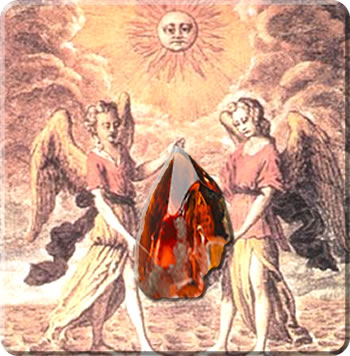
The Philosopher’s Stone is one of the most legendary objects in alchemical tradition. Believed to have the power to transform base metals into gold and grant immortality through the Elixir of Life, it occupied the dreams of countless alchemists across Europe, the Middle East, and Asia.

Its origins trace back to ancient Greek and Egyptian texts, but it became especially prominent in medieval alchemy. Figures such as Nicolas Flamel, Jabir ibn Hayyan (Geber), and Isaac Newton studied alchemical writings in pursuit of its secrets.

The Philosopher’s Stone symbolized more than material wealth—it represented spiritual transformation, the purification of the soul, and the quest for ultimate knowledge. Alchemists viewed their experiments as both scientific and mystical journeys.

While the stone was never found, its legend laid early foundations for modern chemistry. Alchemists’ experiments with substances, metals, and purification techniques paved the way for real scientific discoveries in later centuries.

The Etruscans: The Civilization That Influenced Rome

November 27, 2025

Before Rome rose to dominate the Mediterranean, the Etruscans a powerful civilization in central Italy shaped the region’s culture and politics. Flourishing between 800 and 300 BCE, the Etruscans developed advanced cities, complex religious systems, and vibrant artistic traditions.

Their art stands out for its lively pottery, bronze sculptures, jewelry, and detailed tomb paintings depicting banquets, sports, and celebrations. Etruscan artisans were skilled metalworkers whose techniques influenced later Roman craftsmanship.

The Etruscans had a profound impact on early Rome. Several Roman kings were of Etruscan origin, and many Roman institutions such as gladiatorial games, religious rituals, and architectural styles traced their roots to Etruscan customs. Even the Roman alphabet is derived from an Etruscan adaptation of the Greek script.

Although the Etruscans were eventually absorbed into the expanding Roman Republic, their legacy lived on, shaping the foundations of Roman culture, engineering, and governance.

The Role of Druids in Ancient Celtic Society

November 27, 2025

The Druids were the intellectual and spiritual leaders of ancient Celtic societies in regions such as Ireland, Britain, and Gaul. They served as priests, conducting religious rituals and maintaining sacred traditions. Their deep connection to nature and the spiritual world made them central figures in Celtic belief systems.

But Druids were far more than religious officials. They functioned as scholars, judges, healers, diplomats, and advisors to kings. Without a written tradition, the Celts relied on Druids to preserve knowledge through memory. They studied astronomy, law, history, healing, and poetry often spending decades in training.

Because of their influence, Roman writers often described Druids with a mixture of fascination and hostility. Julius Caesar, for example, noted their role in education and law but also used reports of human sacrifice to justify Roman suppression of Druidic practices.

Despite limited written evidence, Druids remain iconic symbols of Celtic wisdom, representing a culture where spiritual insight, scholarship, and community leadership were deeply interconnected.

The Norse Belief in Ragnarok: The End of the Gods

November 27, 2025

Ragnarok, in Norse mythology, represents the final cosmic battle and the end of the world as the Vikings knew it. According to the myths, Ragnarok would begin with natural disasters, followed by a great war between the gods like Odin, Thor, and Freyr and enemies such as Loki, Fenrir the wolf, and the giants.

This apocalyptic event included the destruction of the world by fire and water. Yet the myth does not end in permanent doom. After Ragnarok, the world is reborn: new land rises from the sea, surviving gods return, and human life begins again.

Symbolically, Ragnarok reflects the Viking worldview—a society familiar with harsh winters, volatile seas, and constant uncertainty. It emphasized that even gods could fall, highlighting the values of bravery, honor, and acceptance of fate.

The myth also shaped Norse culture by encouraging warriors to face death with courage, believing that the cycle of destruction and renewal was natural. Ragnarok remains one of the most powerful stories in Norse mythology, representing both an ending and a new beginning.

The Mystery of the Antikythera Mechanism: The World’s First Computer?

November 27, 2025

The discovery of the Antikythera Mechanism revolutionized our understanding of ancient technology. Found in 1901 in a shipwreck off the Greek island of Antikythera, this corroded bronze device turned out to be a complex system of interlocking gears dating back to around 150–100 BCE.

Often called the world’s first analog computer, the mechanism functioned as a sophisticated astronomical calculator. Using dozens of precisely cut gears, it could predict solar and lunar eclipses, track planetary movements, and calculate the timing of major festivals like the ancient Olympic Games.

Its level of mechanical sophistication was unparalleled for its time and would not be matched until the development of intricate clockwork more than a thousand years later.

Scholars still debate who built the device, though some attribute its design to the school of Archimedes or other Hellenistic engineers.
The mechanism proves that ancient Greeks possessed advanced scientific knowledge—far beyond what historians once believed—showing early mastery of astronomy, mathematics, and mechanical engineering.

The Role of Oracles in Ancient Greece

November 27, 2025

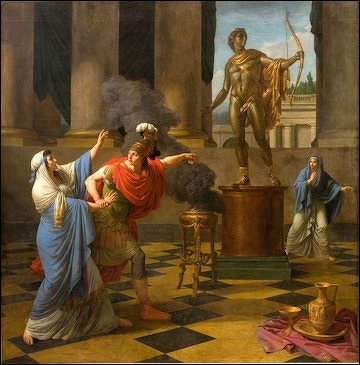
In ancient Greece, oracles served as bridges between mortals and the divine. Among them, the most famous was the Oracle of Delphi, dedicated to Apollo. For centuries, leaders and ordinary people alike traveled to Delphi seeking answers about war, politics, colonization, and personal matters.

The priestess, known as the Pythia, entered a trance-like state—possibly aided by natural gases rising from the ground—and delivered cryptic prophecies. These messages were then interpreted by priests and often influenced major decisions.

Greek city-states took oracular advice seriously. Some consulted Delphi before founding new colonies; others sought guidance before launching military campaigns. Even powerful leaders like Croesus of Lydia and Alexander the Great sought the oracle’s counsel.

Oracles reinforced the belief that the gods played an active role in human affairs. They also served a political function, helping unify Greek culture around shared religious traditions.
Though their messages were often ambiguous, oracles shaped the course of ancient Greek history and remain a symbol of the civilization’s spiritual and philosophical depth.

The First Cities in History: How Urbanization Began

November 27, 2025

Urbanization the shift from small farming communities to large, complex cities changed human history forever. Some of the earliest examples emerged thousands of years ago and continue to fascinate archaeologists.

Uruk, in ancient Mesopotamia (modern Iraq), is often considered the world’s first true city. By 3500 BCE, it had tens of thousands of residents, monumental temples, writing systems, specialized labor, and long-distance trade. It became a model for later urban development.

In the Indus Valley, Mohenjo-Daro stood out for its advanced urban planning. Built around 2600 BCE, it had grid-like streets, multi-story houses, public baths, and a sophisticated drainage system that rivals modern infrastructure.

Further west, Çatalhöyük in Turkey (7500–5700 BCE) represents an earlier form of proto-urban life. Although it lacked streets—homes were connected by rooftops it had dense populations, complex symbolism, and communal shrines.

Together, these settlements show how cities emerged due to agricultural surplus, trade networks, religious institutions, and growing populations. Urbanization marked the beginning of state formation, social stratification, and technological innovation—shaping the world we live in today.

The Olmec Colossal Heads: Who Were They?

November 27, 2025

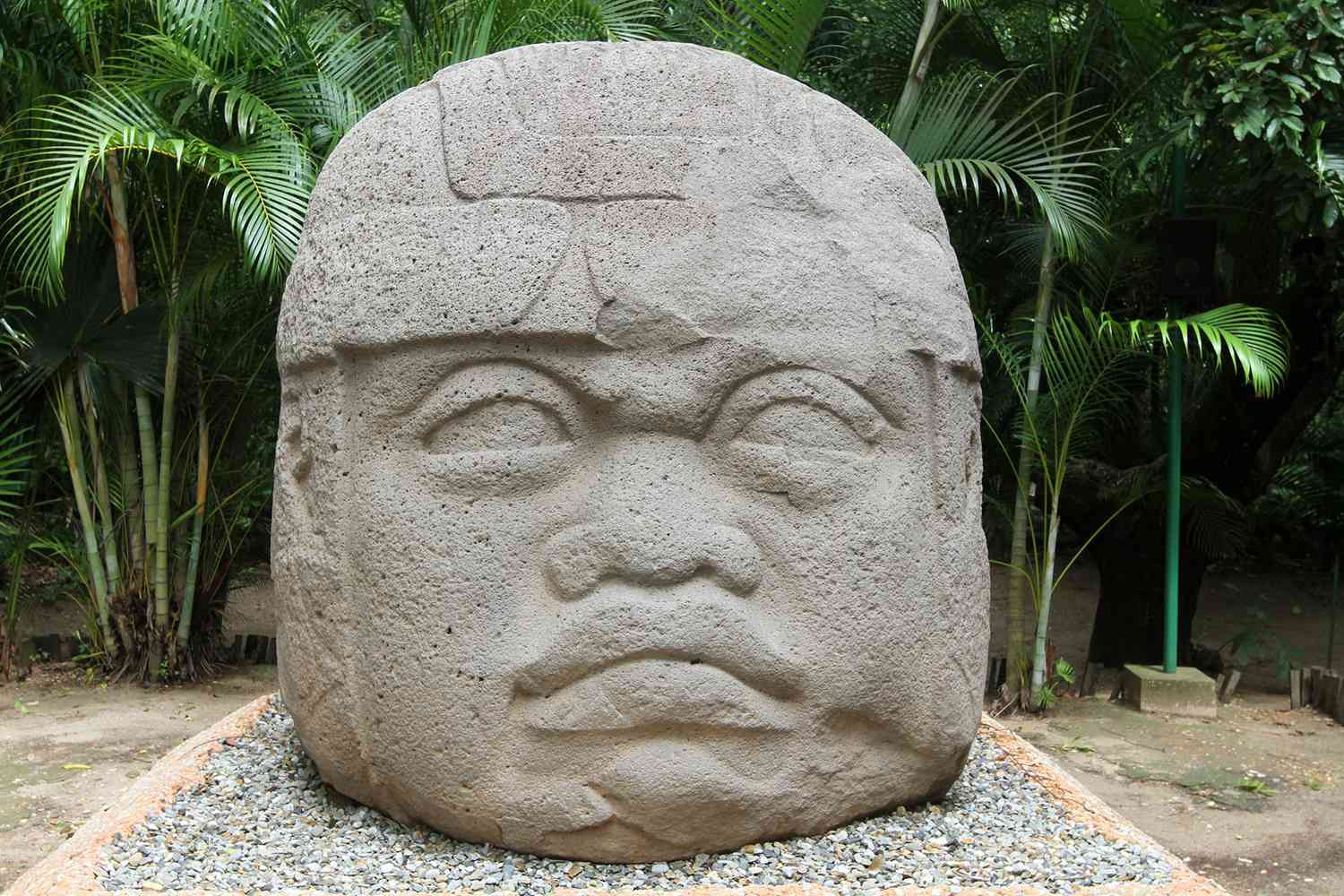
The Olmec civilization, flourishing around 1200–400 BCE in present-day Mexico, left behind some of the most iconic artworks of ancient America: the colossal stone heads.


These enormous sculptures ranging from 3 to 10 feet tall and weighing up to 50 tons were carved from basalt and transported over long distances, demonstrating remarkable engineering skills.

The heads all depict human faces with distinctive features: flat noses, full lips, wide eyes, and elaborate helmets. But the biggest mystery remains: Who do these stone giants represent?

One theory suggests that the heads portray Olmec rulers. Each head has unique facial characteristics, as if modeled after real individuals and commemorated as powerful leaders. Another possibility is that they depict ballgame players, given the helmet-like headgear often seen in Mesoamerican sports.

Some fringe theories have suggested African or other foreign influences, but mainstream archaeology strongly rejects these ideas, as the physical features match indigenous populations and cultural context.

Ultimately, the colossal heads stand as symbols of Olmec power, artistry, and leadership—monuments to figures who shaped one of the earliest civilizations of the Americas.

The Mystery of the Phaistos Disc: An Undeciphered Enigma

November 27, 2025

The Phaistos Disc is one of archaeology’s most enduring puzzles. Discovered in 1908 in the Minoan palace of Phaistos on Crete, this small clay disc—about 15 centimeters across—carries a mysterious spiral of stamped symbols unlike anything else found in the ancient world. It dates to around 1700 BCE, yet its purpose and meaning remain unknown.

What makes the disc especially fascinating is its unique set of symbols—45 distinct signs repeated in various combinations. Some appear to show human figures, tools, plants, and geometric shapes. Unlike other ancient scripts, these symbols were pressed into soft clay with stamps, suggesting a form of prehistoric printing.

Despite over a century of study, scholars have not agreed on what language—if any—the disc represents. Some believe it records a ritual hymn, others think it’s a game board, a prayer, or even a forgery (though most experts accept it as authentic).
Attempts to decipher the disc are hindered by a major obstacle: the Phaistos Disc is a one-of-a-kind artifact. Without additional examples, no comparisons can be made.

Today, the disc remains a symbol of the Minoan world’s mystery—a reminder that even highly skilled civilizations can leave behind secrets that challenge modern understanding.

The Hittites: The Forgotten Empire of the Bronze Age

November 27, 2025

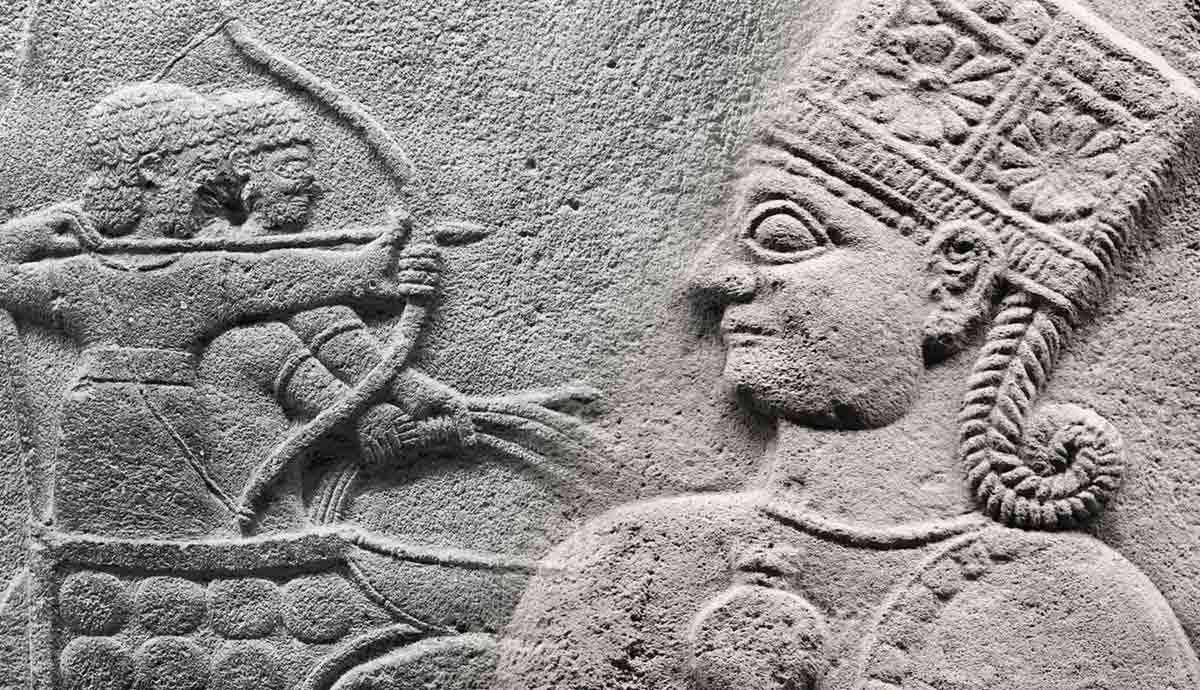
The Hittites rose to power in Anatolia around 1600 BCE, becoming one of the major empires of the ancient Near East. Though once rivals of Egypt and Assyria, they faded into obscurity until rediscovered in the 19th century.

Rise of a Powerful Empire

The Hittites built their capital at Hattusa, a heavily fortified city. Their military strength came from:

  • advanced chariot warfare

  • ironworking expertise

  • strategic diplomacy

They famously clashed with Egypt at the Battle of Kadesh, later signing the world’s oldest known peace treaty.

A Culture of Law and Administration

The Hittite legal system was progressive for its time. Instead of brutal punishments, many laws focused on compensation and fairness. Their religion blended Indo-European and local Anatolian traditions.

Collapse and Disappearance

Around 1200 BCE, the Hittite Empire fell during the widespread Bronze Age collapse. Internal conflicts, invasions, and economic troubles contributed to their downfall.

Rediscovery

For centuries, the Hittites were known only from the Bible and Egyptian records. Excavations at Hattusa in the 1800s revealed archives that confirmed the Hittites were a major imperial power.

The Role of Mythology in Ancient Warfare

November 27, 2025

Mythology played a powerful role in warfare across ancient civilizations. Far from simple stories, myths shaped strategies, inspired bravery, and defined how armies understood victory and defeat.

Divine Influence on War

Many armies believed gods chose the winners. Greeks invoked Athena, Romans Mars, Egyptians Horus, and Vikings Odin. Decisions about battle time, formations, and rituals often came from religious consultation.

Myth as Morale

Warriors carried charms, recited ancestral tales, and reenacted heroic myths before combat. These stories strengthened unity and created a sense of divine protection.

Symbols in Battle

  • Greeks used symbolic shields

  • Romans marched under sacred standards

  • Celts decorated their bodies with myth-inspired patterns

  • Assyrian kings portrayed themselves as chosen conquerors

Enduring Impact

Even today, mythological symbols appear in military insignia, national emblems, and heroic stories, showing the lasting link between myth and identity.

The Library of Ashurbanipal: The Oldest Known Royal Library

November 27, 2025

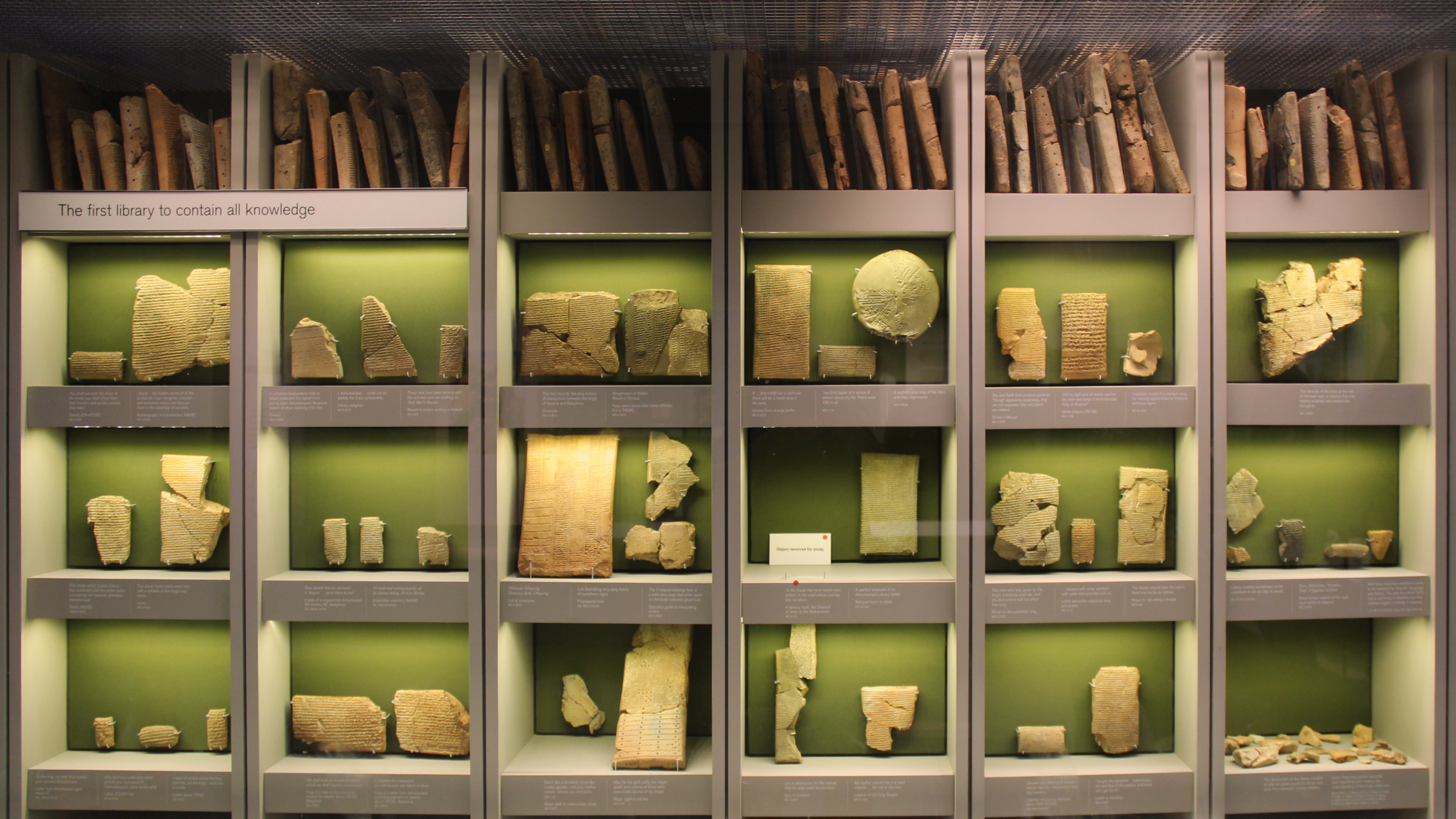
Before the famous Library of Alexandria rose to greatness, the Library of Ashurbanipal already stood as a monumental center of knowledge. Created in the 7th century BCE in Nineveh, it is considered the earliest known royal library and a priceless archive of Mesopotamian civilization.

A Scholar-King

Ashurbanipal, the last strong king of the Neo-Assyrian Empire, boasted literacy in several languages. He ordered scribes to collect texts from across the empire, even having conquered cities shipped their archives to Nineveh.

A Library of Knowledge

The library contained over 30,000 clay tablets covering:

  • mythology

  • medicine

  • mathematics

  • astronomy

  • rituals

  • state documents

  • epics and literature

The Epic of Gilgamesh survives largely because of this collection.

Organization and Preservation

Tablets were arranged by subject, some stamped with Ashurbanipal’s seal. While the library burned when the city fell in 612 BCE, the fire baked the clay tablets, preserving them.

Rediscovery

Archaeologists in the 19th century discovered the library’s remains, drastically transforming our understanding of the ancient Near East.

The Construction Secrets of the Great Pyramid of Giza

November 27, 2025

The Great Pyramid of Giza, built for Pharaoh Khufu around 2580 BCE, remains the most iconic structure of ancient Egypt. Its precise geometry and massive size have inspired fascination for centuries. How did ancient builders construct such a monument with limited technology?

Materials and Manpower

Most blocks came from nearby limestone quarries, while granite for the inner chambers came from Aswan. Workers — not slaves — lived in organized villages, receiving rations, medical care, and wages. These labor teams coordinated seasonally, especially when the Nile flooded.

Transporting the Stones

Workers likely transported blocks using:

  • wooden sledges

  • lubricated sand

  • river barges via canal systems

The Wadi al-Jarf papyri describe transporting limestone by boat, offering rare firsthand evidence.

Ramp Theories

Scholars propose several types of ramps:

  • straight ramps

  • zigzag ramps up the sides

  • spiral ramps

  • internal ramps within the pyramid’s structure

No single theory explains everything, but internal ramp models correlate well with the pyramid’s features.

Precision Architecture

The pyramid is nearly perfectly aligned to true north, demonstrating advanced astronomical and surveying knowledge. Each stone was carefully placed, and the overall engineering reflects millennia of evolving Egyptian construction techniques.

A Lasting Legacy

The Great Pyramid represents the organization, mathematics, power, and religious devotion of ancient Egypt. Its endurance continues to inspire architectural studies today.

← Newer Posts Older Posts →
Featured
image_2025-12-29_232938667.png
Dec 29, 2025
3,000 BC find takes archaeologists by surprise
Dec 29, 2025
Read More →
Dec 29, 2025
image_2025-12-29_232158886.png
Dec 29, 2025
Fort dig reveals glimpse into Roman daily life
Dec 29, 2025
Read More →
Dec 29, 2025
image_2025-12-29_231742439.png
Dec 29, 2025
Türkiye digs uncover ancient olive oil industry in Syedra
Dec 29, 2025
Read More →
Dec 29, 2025
image_2025-12-29_230836192.png
Dec 29, 2025
Dutch defense bomb disposal team dismantles record 3,438 explosives in 2025
Dec 29, 2025
Read More →
Dec 29, 2025
image_2025-12-29_225748111.png
Dec 29, 2025
Earliest known coin minted in Scotland acquired for the nation
Dec 29, 2025
Read More →
Dec 29, 2025
image_2025-12-29_225305072.png
Dec 29, 2025
Kelso: Housing development stalled during pandemic now approved
Dec 29, 2025
Read More →
Dec 29, 2025
read more

Powered by The archaeologist