• MAIN PAGE
  • LATEST NEWS
    • Lost Cities
    • Archaeology's Greatest Finds
    • Underwater Discoveries
    • Greatest Inventions
    • Studies
    • Blog
  • PHILOSOPHY
  • HISTORY
  • RELIGIONS
    • Africa
    • Anatolia
    • Arabian Peninsula
    • Balkan Region
    • China - East Asia
    • Europe
    • Eurasian Steppe
    • Levant
    • Mesopotamia
    • Oceania - SE Asia
    • Pre-Columbian Civilizations of America
    • Iranian Plateau - Central Asia
    • Indus Valley - South Asia
    • Japan
    • The Archaeologist Editor Group
    • Scientific Studies
    • Aegean Prehistory
    • Historical Period
    • Byzantine Middle Ages
    • Predynastic Period
    • Dynastic Period
    • Greco-Roman Egypt
  • Rome
  • PALEONTOLOGY
  • About us
Menu

The Archaeologist

  • MAIN PAGE
  • LATEST NEWS
  • DISCOVERIES
    • Lost Cities
    • Archaeology's Greatest Finds
    • Underwater Discoveries
    • Greatest Inventions
    • Studies
    • Blog
  • PHILOSOPHY
  • HISTORY
  • RELIGIONS
  • World Civilizations
    • Africa
    • Anatolia
    • Arabian Peninsula
    • Balkan Region
    • China - East Asia
    • Europe
    • Eurasian Steppe
    • Levant
    • Mesopotamia
    • Oceania - SE Asia
    • Pre-Columbian Civilizations of America
    • Iranian Plateau - Central Asia
    • Indus Valley - South Asia
    • Japan
    • The Archaeologist Editor Group
    • Scientific Studies
  • GREECE
    • Aegean Prehistory
    • Historical Period
    • Byzantine Middle Ages
  • Egypt
    • Predynastic Period
    • Dynastic Period
    • Greco-Roman Egypt
  • Rome
  • PALEONTOLOGY
  • About us

The Myth of the Philosopher’s Stone: Alchemy and Immortality

November 27, 2025

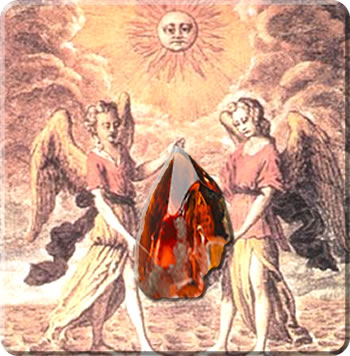
The Philosopher’s Stone is one of the most legendary objects in alchemical tradition. Believed to have the power to transform base metals into gold and grant immortality through the Elixir of Life, it occupied the dreams of countless alchemists across Europe, the Middle East, and Asia.

Its origins trace back to ancient Greek and Egyptian texts, but it became especially prominent in medieval alchemy. Figures such as Nicolas Flamel, Jabir ibn Hayyan (Geber), and Isaac Newton studied alchemical writings in pursuit of its secrets.

The Philosopher’s Stone symbolized more than material wealth—it represented spiritual transformation, the purification of the soul, and the quest for ultimate knowledge. Alchemists viewed their experiments as both scientific and mystical journeys.

While the stone was never found, its legend laid early foundations for modern chemistry. Alchemists’ experiments with substances, metals, and purification techniques paved the way for real scientific discoveries in later centuries.

← The Giant Statues of Easter Island: Who Built Them and Why?The Etruscans: The Civilization That Influenced Rome →
Featured
image_2026-01-09_134158495.png
Jan 9, 2026
Stunning UK village 'perfect for recharging' has 'hidden gem' attraction
Jan 9, 2026
Read More →
Jan 9, 2026
Jan 9, 2026
Medieval Graves of Three Elite Warriors Excavated in Hungary
Jan 9, 2026
Read More →
Jan 9, 2026
image_2026-01-09_130702520.png
Jan 9, 2026
Archaeologists Found a 7,500-Year-Old Seal From a Surprisingly Advanced Society
Jan 9, 2026
Read More →
Jan 9, 2026
image_2026-01-09_125433336.png
Jan 9, 2026
Common Childhood Virus Detected in Iron Age Remains
Jan 9, 2026
Read More →
Jan 9, 2026
image_2026-01-09_123726891.png
Jan 9, 2026
Arrow tips found in South Africa are the oldest evidence of poison use in hunting
Jan 9, 2026
Read More →
Jan 9, 2026
image_2026-01-09_122849202.png
Jan 9, 2026
And finally… first Scottish coin
Jan 9, 2026
Read More →
Jan 9, 2026
read more

Powered by The archaeologist