Derbent and the Gates of Alexander: A Wall That Stopped Empires
In a forgotten corner of southern Russia, a massive stone wall slices through a modern city, stretching from the mountains to the Caspian Sea. Beneath it lies a secret older than empires—a gate once believed to hold back the end of the world.
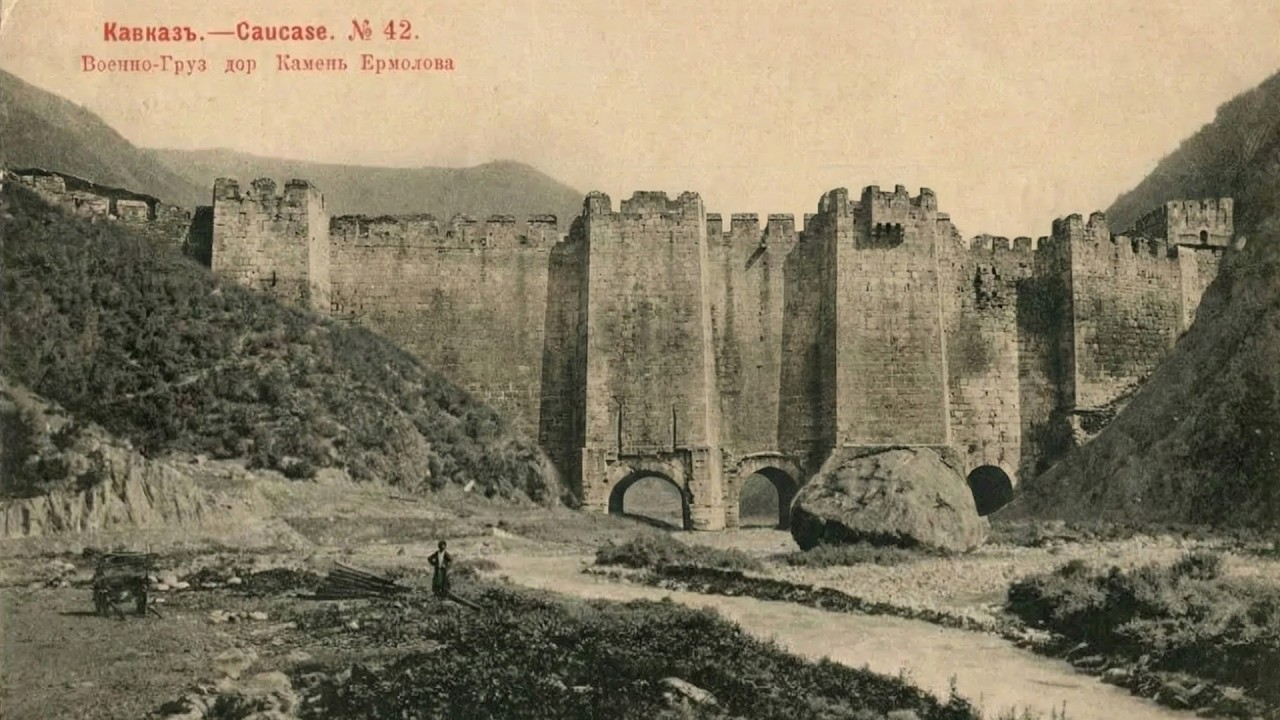
Legends claim that Alexander the Great built it to seal away monstrous tribes foretold in prophecy. Others see it as the eternal line between civilization and chaos. Yet here, in Derbent, the so-called Gates of Alexander are not just myth. They are real, colossal, and remarkably preserved.
Derbent—known in Persian as Darband, meaning “the closed gate”—sits in the narrowest corridor between the Caucasus Mountains and the Caspian Sea. Just three kilometers wide, this natural bottleneck was the only route through which Eurasian steppe nomads could descend into the fertile lands of the Middle East.
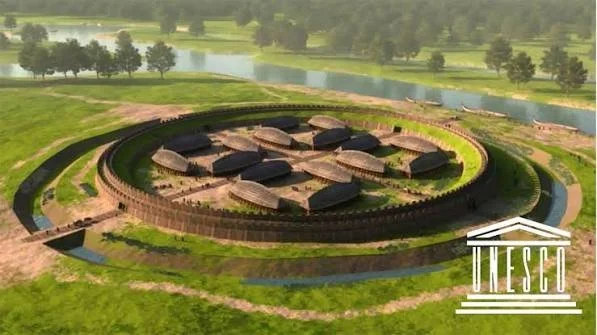
For centuries, empires viewed this strip of land either as a dagger pointed south or a shield to defend their territories. To secure it, the Sasanian Empire built one of the largest defensive systems outside of China in the 6th century: the Fortifications of Derbent. These walls, towers, and gates not only controlled passage but also symbolized the intersection of legend, military strategy, and human ambition.
Derbent stands today as a testament to the ingenuity and determination of ancient civilizations—an enduring reminder that some walls are built not just of stone, but of history itself.
Watch the video below to explore the Gates of Alexander, the Fortifications of Derbent, and the incredible history of this ancient stronghold: