Still in its original galaxy, a rare holdout from the second generation of stars sheds new light on the origins of the elements—and how massive supernovae reshaped the cosmos
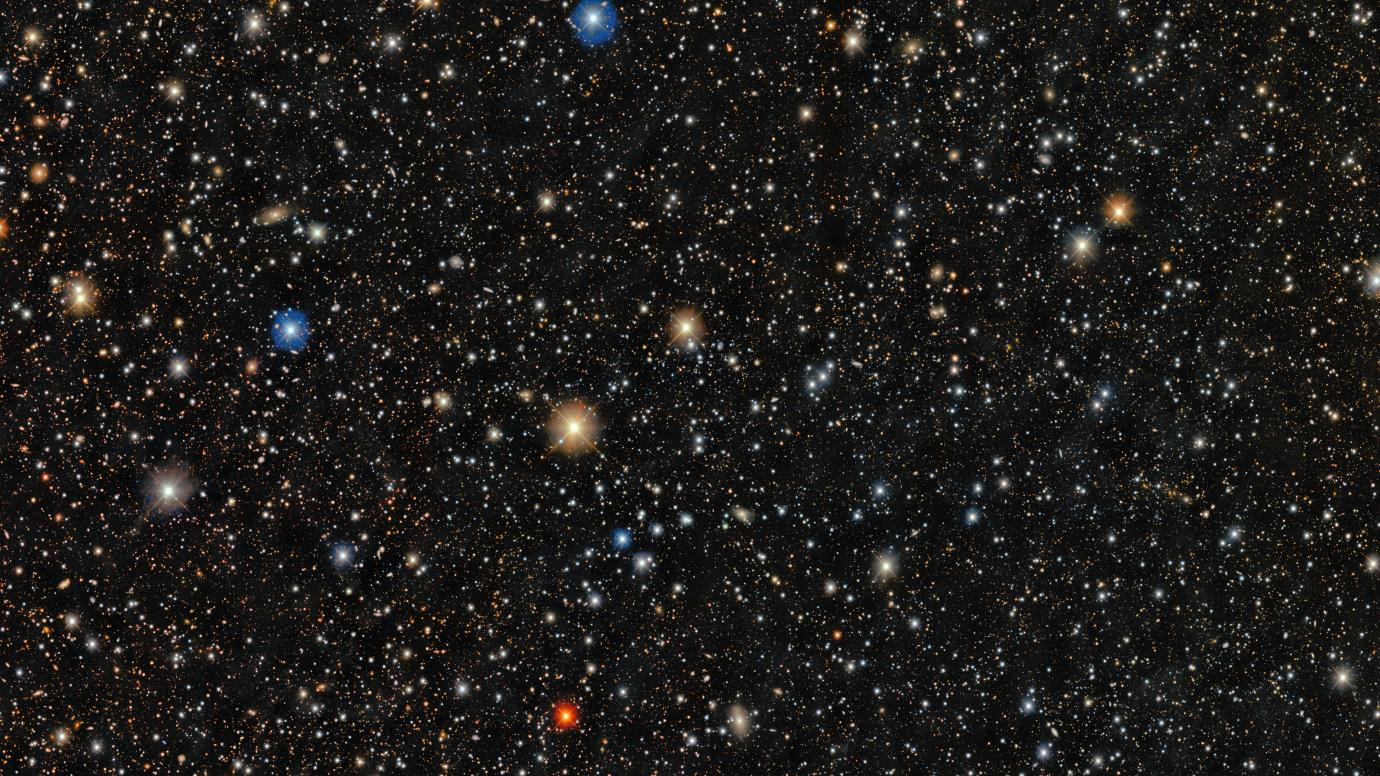
A “Second-Generation” Star Reveals the Universe’s Earliest Secrets
Not all archaeologists dig in the ground—some look to the sky. In a breakthrough study, scientists from the University of Chicago have identified an ancient star that likely belongs to the second generation of stars ever formed—offering a rare glimpse into the universe’s earliest history.
A Star from the Dawn of Time
Led by researcher Anirudh Chiti, the team discovered a star still residing in the tiny primordial galaxy where it was born. Its chemical composition acts like a cosmic fossil, preserving evidence of the first processes that created elements in the universe.
“This is the first really clear detection of which elements are initially produced in primordial galaxies,” Chiti explained.
The findings were published in Nature Astronomy, marking a major step in understanding how the building blocks of matter formed.
The Universe Before Elements
Shortly after the Big Bang, the universe was extremely simple. Only three elements existed:
Hydrogen
Helium
Lithium
There were no heavier elements like carbon, oxygen, or gold. These had to be created later inside stars through nuclear fusion.
How Stars Created the Elements
The first massive stars acted like cosmic furnaces. Inside their cores:
Atoms fused to form heavier elements
When the stars exploded (supernovae), they scattered these elements into space
New stars formed from this enriched material
This cycle repeated over time, gradually producing the full periodic table that makes up planets—and life itself.
Why This Star Is Special
Scientists have long understood this general process, but finding direct evidence has been difficult. This newly discovered star is unique because:
It formed very early, from material enriched by the first stars
It still exists in its original galaxy
It contains very low levels of heavy elements, marking it as extremely ancient
According to Alexander Ji, finding such stars requires searching for those with the lowest metal content, since heavy elements accumulate over time.
How Scientists Found It
The discovery relied on advanced telescopes and instruments:
The Dark Energy Camera helped identify candidate stars
Follow-up observations were made using:
Las Campanas Observatory
Very Large Telescope
By analyzing the light spectrum of the star, scientists could determine its chemical composition—essentially reading its history.
Why This Discovery Matters
This star acts like a missing piece of the puzzle in cosmic history. It helps scientists:
Understand how the first elements formed
Trace the transition from the first stars to later generations
Learn how galaxies evolved in the early universe
A Cosmic Archaeological Find
Just as archaeologists uncover artifacts to understand ancient civilizations, astronomers study stars like this to uncover the universe’s origins.
This discovery shows that even after billions of years, traces of the universe’s earliest moments still exist—quietly shining in the night sky.