A major excavation in Ethiopia’s Afar Rift is offering one of the clearest snapshots yet of how early Homo sapiens lived around 100,000 years ago—long before humans spread widely across Eurasia.
At the Halibee site, part of the Middle Awash region, archaeologists led by Yonas Beyene have uncovered a remarkably well-preserved record of repeated human visits to a resource-rich floodplain environment.
A Rare Open-Air Time Capsule
Unlike many prehistoric sites found in caves, Halibee is an open-air site—which makes it especially valuable.
Here’s why:
The area was once a floodplain, regularly covered by river sediments
Human visits were short and repeated, not continuous
Flooding quickly buried tools and remains, preserving distinct moments in time
This means archaeologists can study individual episodes of human activity, rather than blended layers accumulated over thousands of years.
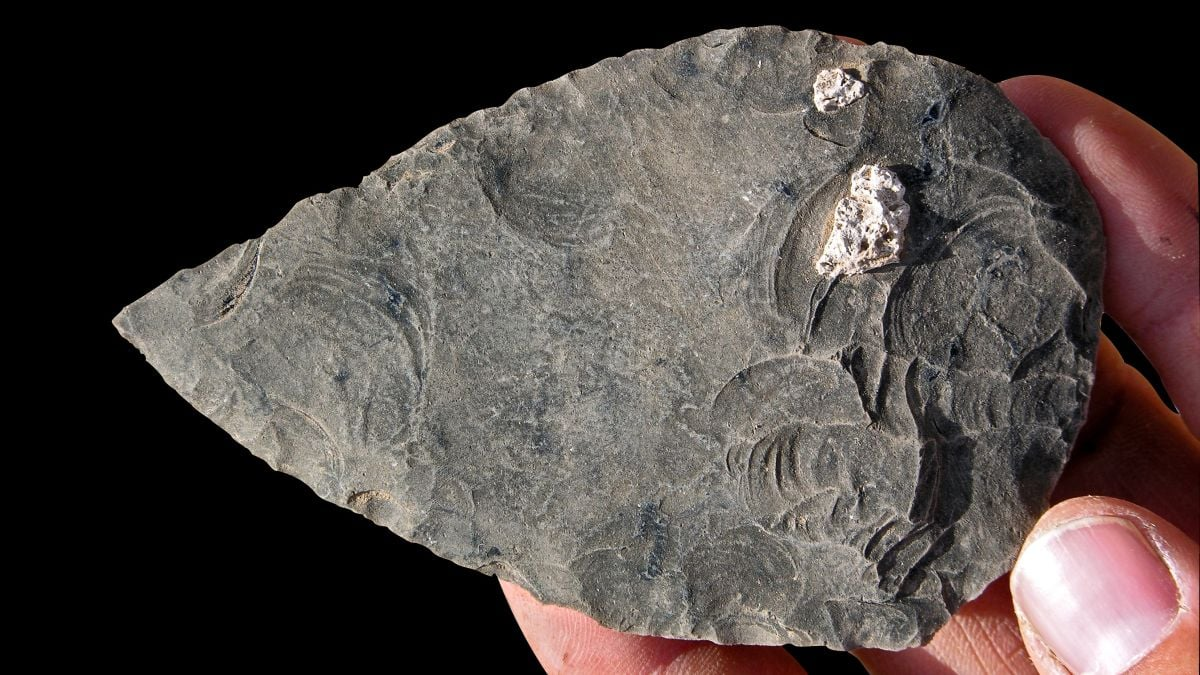
Tools, Resources, and Daily Life
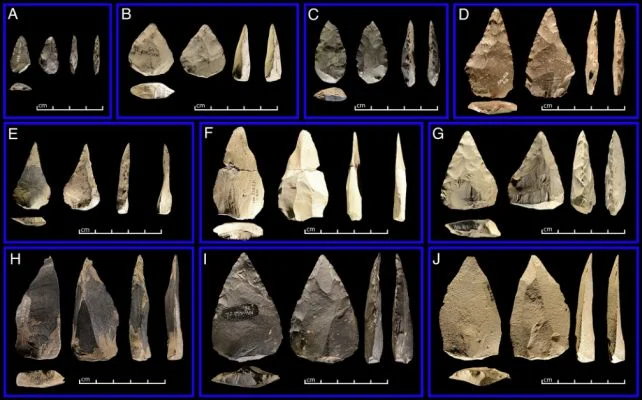
Thousands of stone tools reveal how these early humans interacted with their environment:
65–82% of tools were made from local basalt, showing efficient use of nearby resources
Tools included both:
Fine cutting implements
Heavy-duty tools for tougher tasks
Only ~2% were made of obsidian, a non-local material—suggesting movement or early trade networks
The presence of manufacturing debris shows that tool-making happened on-site, not just usage.
A Shared Landscape with Animals
The site also yielded a wide range of animal remains:
Monkeys and antelope
Birds and reptiles
Rodents
Large predators, including lion-sized felines
Interestingly, no butchery marks were found on the bones. This suggests:
Humans were not actively hunting or processing these animals here, or
The site may have served different purposes—such as tool-making, resting, or temporary shelter
It paints a picture of humans coexisting within a dynamic ecosystem, rather than dominating it.
Three Humans, Three Different Fates
The most striking discoveries are the partial remains of three individuals, each telling a different story about death and preservation:
Rapid Burial
One individual, likely male, was found in relatively complete condition
His body appears to have been buried quickly—possibly by seasonal flooding, not intentional ritual
Burning
Another set of remains shows evidence of exposure to fire
Whether accidental or deliberate remains unclear
Animal Scavenging
The third individual’s bones bear signs of being disturbed or consumed by animals
Together, these cases highlight the unpredictable and often harsh realities of life—and death—in this ancient environment.
Why Halibee Matters
The Halibee site stands out for several reasons:
It preserves clear snapshots of human activity
It shows adaptation to a rich but potentially dangerous landscape
It provides insight into life before major human migrations out of Africa
Rather than a permanent settlement, this was likely a temporary but repeatedly visited refuge, offering water, raw materials, and ecological diversity.
A Glimpse Into Early Human Behavior
What emerges is a picture of early Homo sapiens as:
Highly adaptable, using local resources efficiently
Mobile, moving through landscapes rather than staying in one place
Social and resilient, returning again and again to favorable environments
At the same time, the human remains remind us that survival was never guaranteed. Floods, fire, and predators were constant risks.
As erosion continues to reveal more of Halibee, archaeologists expect even deeper insights into how our species lived—at a time when the foundations of modern human behavior were still taking shape.