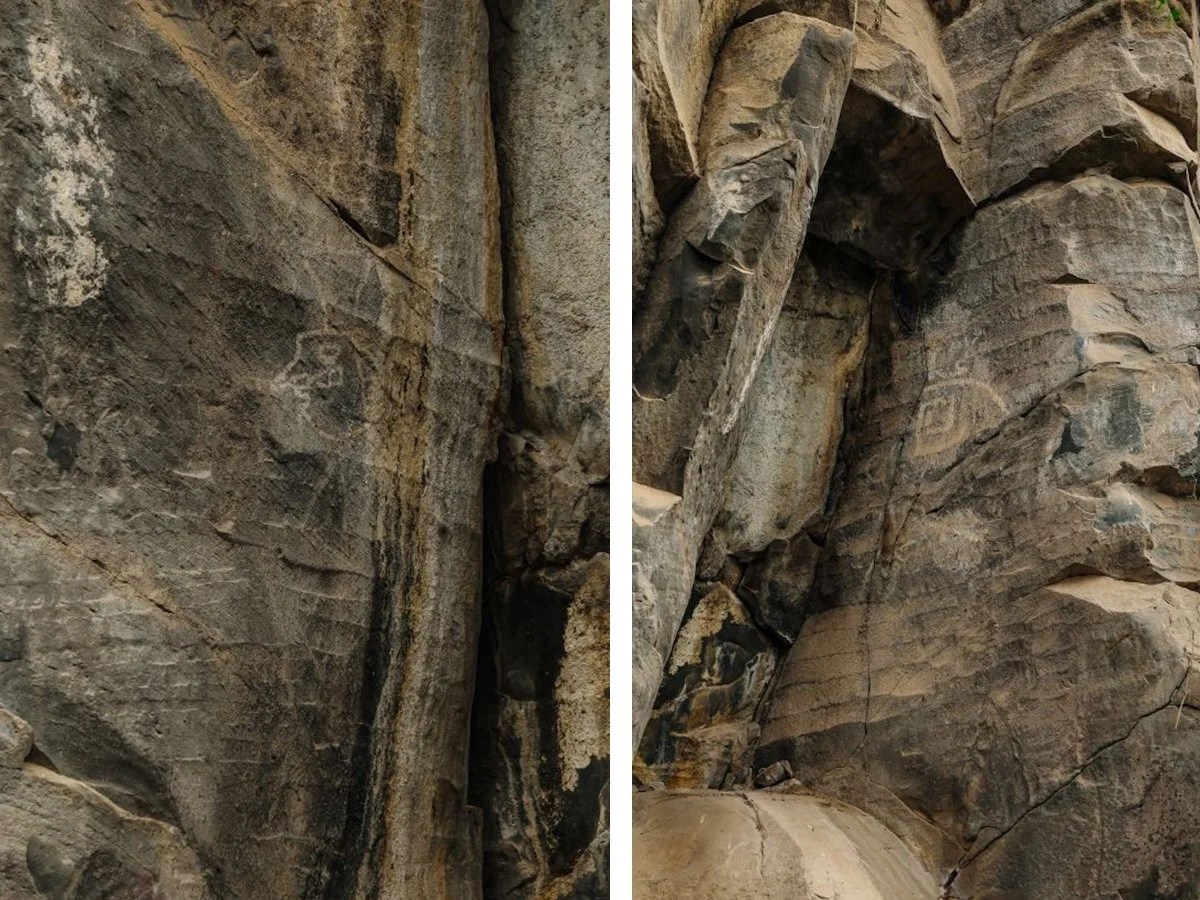
The newly documented carvings and paintings at El Venado (Hidalgo, Mexico) are a powerful reminder that some landscapes act as living canvases, used and reused by different cultures over thousands of years. Rather than a single moment in time, this site preserves a layered visual history stretching from prehistory to the Postclassic period (AD 900–1521)—and possibly even into the early colonial era.
🧭 What was discovered
Archaeologists working with Mexico’s National Institute of Anthropology and History (INAH) recorded 16 distinct features, including:
Petroglyphs (carved into rock using repeated pointed marks)
Painted figures (using mineral or plant-based pigments)
A rock shelter with additional imagery
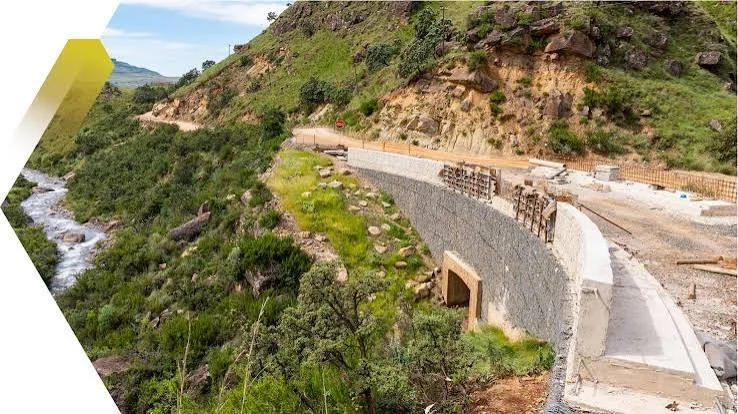
These are located on rocky slopes near the Tula River and La Requena Dam—an area clearly important for long-term human activity.
⏳ A site used across millennia
What makes El Venado especially important is its time depth:
Some paintings may be over 4,000 years old
Others belong to later Mesoamerican cultures
A few may even reflect early colonial influences
This means the site wasn’t abandoned—it was revisited, reinterpreted, and reused across generations.
🧍♂️ Symbols, figures, and meanings
The imagery is diverse and culturally rich:
Human and ritual figures
Anthropomorphic figures with distinct clothing and ornaments
One appears to carry a chimalli (shield) → suggesting warrior or ritual identity
Deities and sacred imagery
A figure linked to Tlaloc, identifiable by:
goggle-like eyes
elaborate headdress
→ strongly tied to rain, fertility, and agriculture
Animals and nature
A deer figure (the site’s original namesake)
A possible four-legged animal
Snake or lightning-like forms inside the shelter
These likely relate to:
hunting symbolism
seasonal cycles
natural forces (rain, storms, fertility)
🌩️ Ritual landscape, not random art
The placement of these images is key:
Near water sources (river, dam)
On visible rocky slopes
Inside sheltered spaces
This strongly suggests the site functioned as a ritual or ceremonial landscape, possibly used for:
seasonal observations (rain cycles, agriculture)
offerings or symbolic acts
marking sacred territory
Rock art in Mesoamerica often wasn’t just decorative—it was interactive, tied to movement, visibility, and environment.
🔗 Cultural connections across regions
Some figures resemble imagery linked to the Mogollon culture, suggesting:
long-distance cultural influence or shared symbolic traditions
interaction between northern Mexico and the U.S. Southwest
Combined with later Tula-related imagery, this shows El Venado sat within a broad cultural network, not an isolated community.
🚆 Preservation vs. development
Originally, the Mexico City–Querétaro railway was planned to pass through the area. However:
The route was changed in 2025
The site is now protected from direct impact
This is a major win for heritage preservation—balancing infrastructure with archaeology.
🧠 Why this discovery matters
El Venado adds to a growing realization in archaeology:
1. Landscapes were reused, not abandoned
Different cultures returned to the same sacred places, layering meaning over time.
2. Art reflects evolving belief systems
From prehistoric animals → Mesoamerican gods → possible colonial influences.
3. Rock art is a communication system
It encodes:
identity
belief
environment
memory