• MAIN PAGE
  • LATEST NEWS
    • Lost Cities
    • Archaeology's Greatest Finds
    • Underwater Discoveries
    • Greatest Inventions
    • Studies
    • Blog
  • PHILOSOPHY
  • HISTORY
  • RELIGIONS
    • Africa
    • Anatolia
    • Arabian Peninsula
    • Balkan Region
    • China - East Asia
    • Europe
    • Eurasian Steppe
    • Levant
    • Mesopotamia
    • Oceania - SE Asia
    • Pre-Columbian Civilizations of America
    • Iranian Plateau - Central Asia
    • Indus Valley - South Asia
    • Japan
    • The Archaeologist Editor Group
    • Scientific Studies
    • Aegean Prehistory
    • Historical Period
    • Byzantine Middle Ages
    • Predynastic Period
    • Dynastic Period
    • Greco-Roman Egypt
  • Rome
  • PALEONTOLOGY
  • About us
Menu

The Archaeologist

  • MAIN PAGE
  • LATEST NEWS
  • DISCOVERIES
    • Lost Cities
    • Archaeology's Greatest Finds
    • Underwater Discoveries
    • Greatest Inventions
    • Studies
    • Blog
  • PHILOSOPHY
  • HISTORY
  • RELIGIONS
  • World Civilizations
    • Africa
    • Anatolia
    • Arabian Peninsula
    • Balkan Region
    • China - East Asia
    • Europe
    • Eurasian Steppe
    • Levant
    • Mesopotamia
    • Oceania - SE Asia
    • Pre-Columbian Civilizations of America
    • Iranian Plateau - Central Asia
    • Indus Valley - South Asia
    • Japan
    • The Archaeologist Editor Group
    • Scientific Studies
  • GREECE
    • Aegean Prehistory
    • Historical Period
    • Byzantine Middle Ages
  • Egypt
    • Predynastic Period
    • Dynastic Period
    • Greco-Roman Egypt
  • Rome
  • PALEONTOLOGY
  • About us

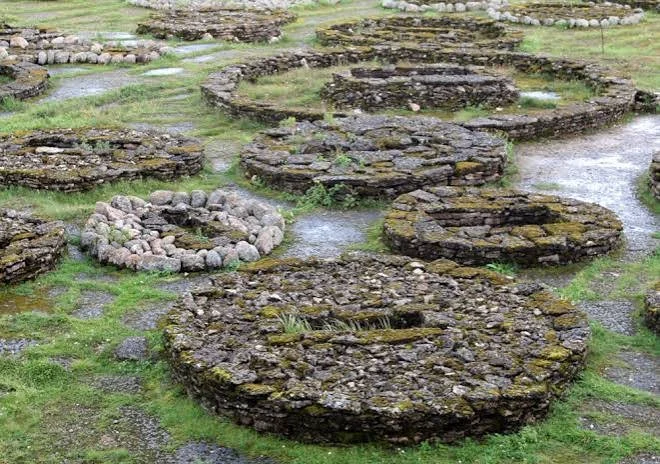
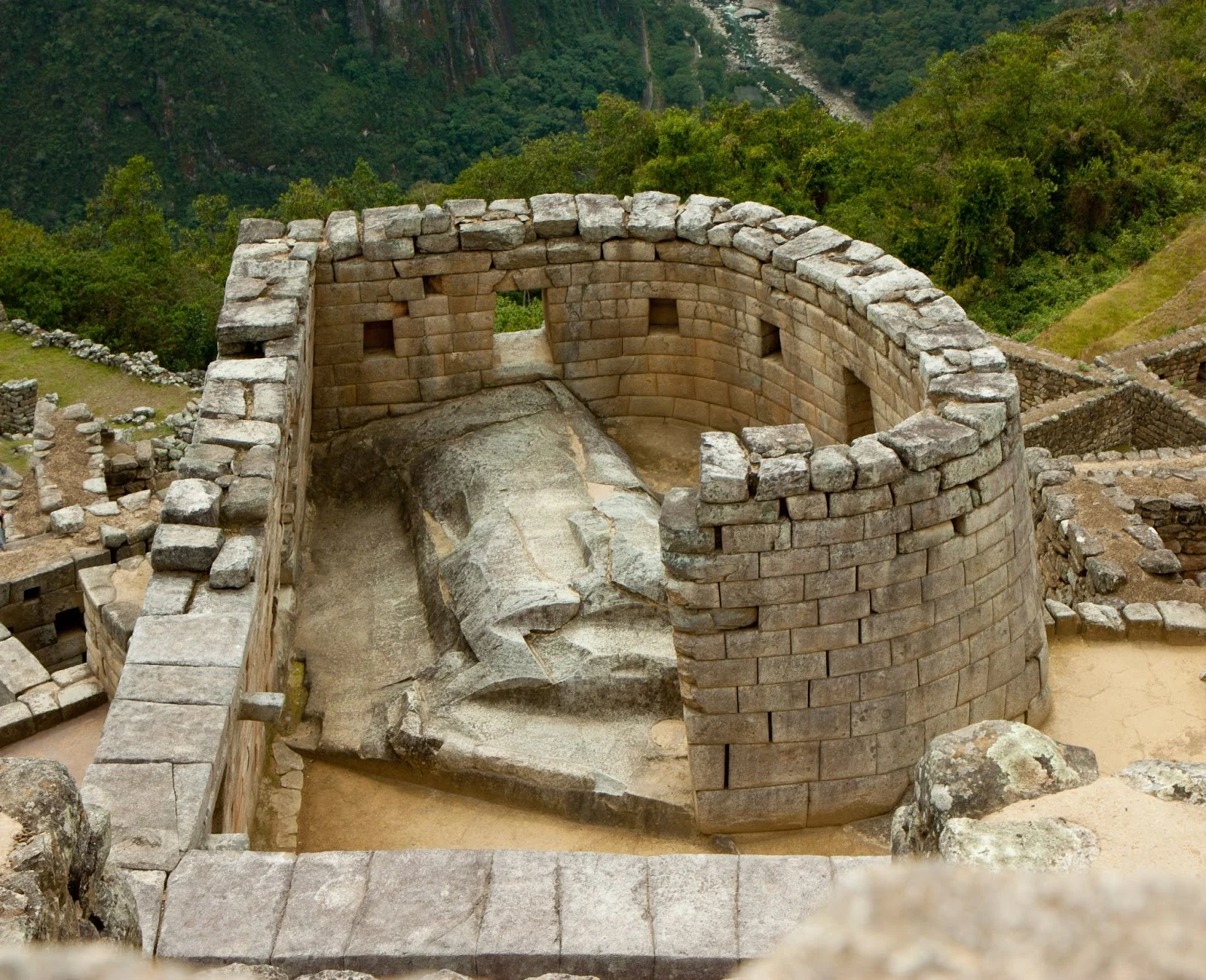
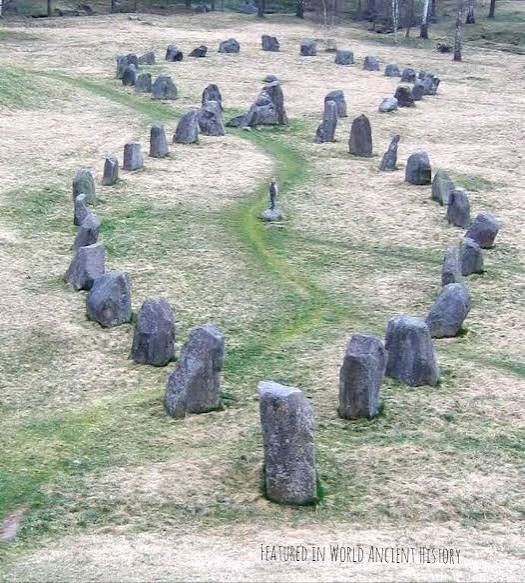
Ancient Temples Dedicated to the Moon

March 25, 2026

Worship of the Night Sky

While the sun was often the focus of worship, the moon also held deep spiritual significance.

Its cycles influenced timekeeping, agriculture, and ritual life.

Lunar Deities

Many cultures worshipped moon gods or goddesses.

These deities were associated with cycles, fertility, and change.

Temple Design

Moon temples were often aligned with lunar phases.

Their architecture reflected careful observation of the sky.

Ritual and Calendar

Lunar cycles were used to create calendars.

Festivals and ceremonies were often timed with the moon.

Symbolism

The moon represents change, renewal, and rhythm.

Its phases made it a powerful symbol in ancient belief systems.

Cultural Legacy

Lunar traditions continue in modern calendars and rituals.

They reflect the lasting influence of moon worship.
← The Secrets of Ancient Herbal MedicineRitual Stones Used in Prehistoric Ceremonies →
Featured
image_2026-03-25_231134682.png
Mar 25, 2026
Well-Preserved Medieval Town Identified in Poland
Mar 25, 2026
Read More →
Mar 25, 2026
image_2026-03-24_235637908.png
Mar 25, 2026
The Oldest Stone Tools Ever Discovered
Mar 25, 2026
Read More →
Mar 25, 2026
image_2026-03-24_235552378.png
Mar 25, 2026
The Giants of Prehistoric Rock Art
Mar 25, 2026
Read More →
Mar 25, 2026
image_2026-03-24_235520987.png
Mar 25, 2026
The Secrets of Ancient Herbal Medicine
Mar 25, 2026
Read More →
Mar 25, 2026
image_2026-03-24_235426087.png
Mar 25, 2026
Ancient Temples Dedicated to the Moon
Mar 25, 2026
Read More →
Mar 25, 2026
image_2026-03-24_235355132.png
Mar 25, 2026
Ritual Stones Used in Prehistoric Ceremonies
Mar 25, 2026
Read More →
Mar 25, 2026
read more

Powered by The archaeologist