Introduction
Situated near the village of Spy in Namur Province, Belgium, Spy Cave is one of the most famous Neanderthal archaeological sites in the world. In 1886, archaeologists Marcel de Puydt and Max Lohest uncovered two nearly complete Neanderthal skeletons within the cave, providing some of the strongest early evidence that Neanderthals represented an extinct human species rather than diseased modern humans. Dating to approximately 36,000–40,000 years ago, the discoveries transformed the scientific understanding of human evolution and established Spy Cave as one of paleoanthropology's most influential sites.
Discovery of the Neanderthal Skeletons
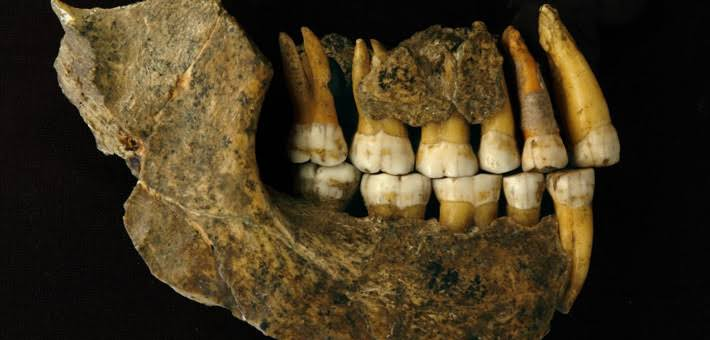
The excavation revealed the remains of two adult Neanderthals buried within Mousterian occupation layers alongside stone tools and animal bones. The skeletons displayed the distinctive physical characteristics now associated with Neanderthals, including robust bones, powerful limb muscles, projecting faces, large brow ridges, and low elongated skulls.
Because the fossils were found in clearly dated archaeological deposits together with Mousterian artifacts, they confirmed that Neanderthals belonged to a separate prehistoric human population that had lived throughout Ice Age Europe.
The Spy fossils remain among the world's classic Neanderthal reference specimens.
Mousterian Culture
Thousands of flint tools recovered from the cave represent the Mousterian industry, characterized by prepared-core technology and specialized flake production. Stone implements include side scrapers, spear points, knives, denticulates, and cutting flakes used for butchering animals, processing hides, woodworking, and daily survival.
The abundance of tools suggests repeated occupation by Neanderthal hunting groups over many generations.
Hunting and Environment
Animal remains recovered from Spy Cave include horses, woolly mammoths, woolly rhinoceroses, bison, reindeer, cave hyenas, and red deer. Numerous cut marks demonstrate skilled butchering practices, while evidence of fire indicates that Neanderthals regularly cooked meat and maintained hearths inside the cave.
The surrounding Ice Age environment consisted largely of open grasslands and cold steppe ecosystems that supported large grazing mammals.
Scientific Importance
Spy Cave fundamentally changed nineteenth-century anthropology by demonstrating that Neanderthals were genuine prehistoric humans with their own culture and technology. Modern analyses of the fossils continue to provide information about Neanderthal genetics, health, mobility, and adaptation shortly before their disappearance from Europe.
Conclusion
Spy Cave remains one of the world's most significant Neanderthal sites. Its famous fossil discoveries, well-preserved Mousterian tools, and abundant archaeological evidence continue to shape our understanding of Neanderthal biology, behavior, and the broader story of human evolution.