Introduction
Located in the Lesse Valley of southern Belgium, Chaleux Cave is an important prehistoric archaeological site preserving evidence from both the Middle and Upper Paleolithic. The cave is particularly noted for its rich collection of Mousterian stone tools associated with Neanderthals, as well as later Upper Paleolithic occupations by modern humans. These archaeological deposits document tens of thousands of years of human adaptation to changing Ice Age environments.
Mousterian Stone Industry
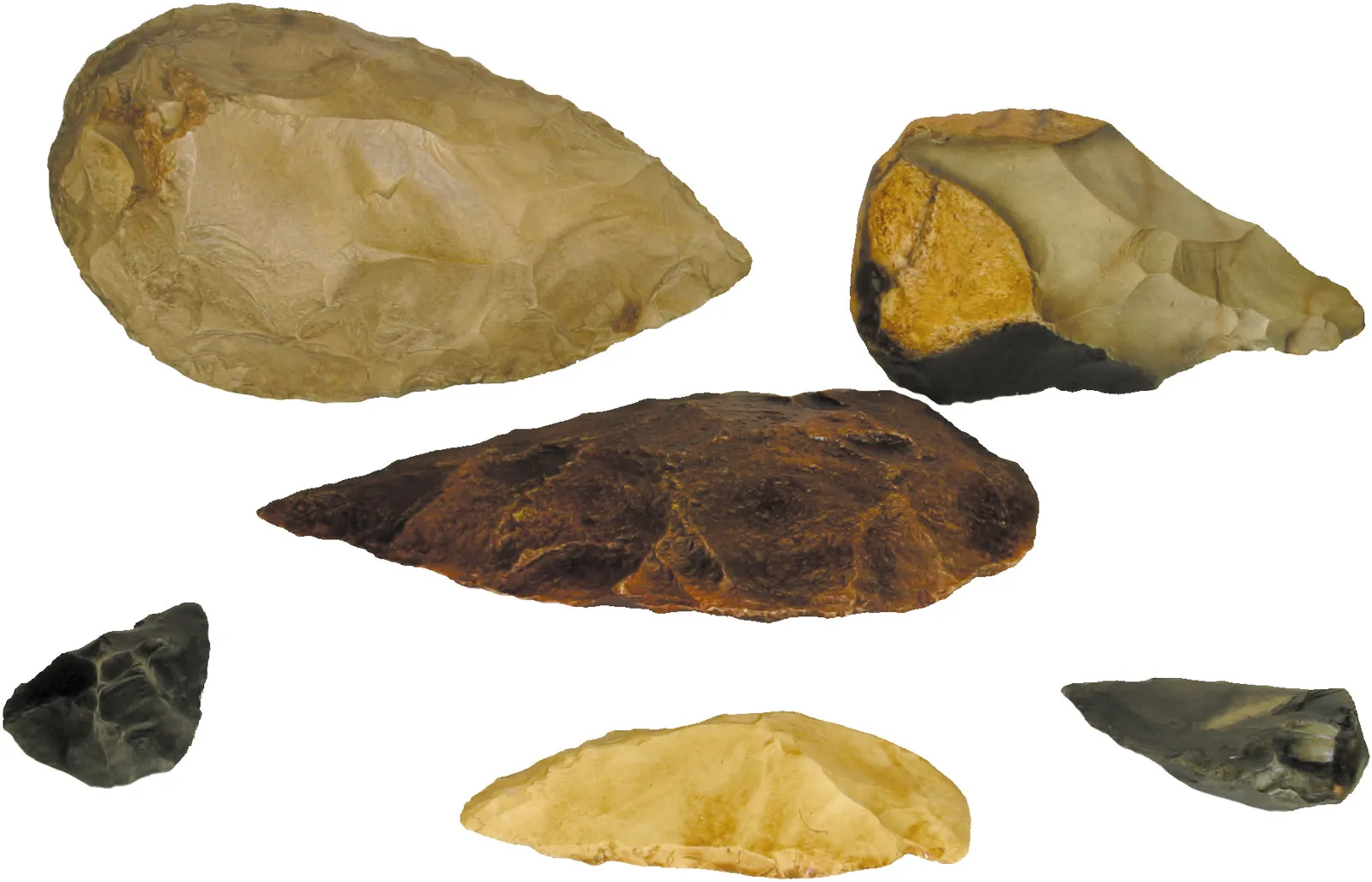
The oldest archaeological layers contain classic Mousterian stone tools manufactured primarily from locally available flint. Neanderthal knappers employed the Levallois prepared-core technique to produce standardized flakes that could be transformed into scrapers, knives, spear points, denticulates, and woodworking implements.
The abundance of discarded cores and production waste indicates that tool manufacture took place directly within the cave.
Occupation and Hunting
Chaleux Cave served as a temporary hunting camp overlooking important migration routes through the Lesse Valley. Neanderthals hunted horses, bison, red deer, woolly rhinoceroses, and other Ice Age mammals using wooden thrusting spears tipped with carefully shaped stone points.
Hearths preserved within the cave demonstrate repeated use of fire for warmth, cooking, and light during seasonal occupations.
Later Upper Paleolithic Occupation
After the disappearance of Neanderthals, early modern humans also occupied Chaleux Cave, introducing blade-based stone technology, bone tools, and artistic traditions characteristic of the Upper Paleolithic. This long sequence allows archaeologists to compare technological changes across major phases of human evolution.
Conclusion
Chaleux Cave preserves one of Belgium's most informative records of prehistoric life. Its extensive Mousterian tool assemblages, evidence of Neanderthal hunting, and later Upper Paleolithic occupations make it an invaluable site for understanding technological development and human adaptation during the European Ice Age.