• MAIN PAGE
  • LATEST NEWS
    • Lost Cities
    • Archaeology's Greatest Finds
    • Underwater Discoveries
    • Greatest Inventions
    • Studies
    • Blog
  • PHILOSOPHY
  • HISTORY
  • RELIGIONS
    • Africa
    • Anatolia
    • Arabian Peninsula
    • Balkan Region
    • China - East Asia
    • Europe
    • Eurasian Steppe
    • Levant
    • Mesopotamia
    • Oceania - SE Asia
    • Pre-Columbian Civilizations of America
    • Iranian Plateau - Central Asia
    • Indus Valley - South Asia
    • Japan
    • The Archaeologist Editor Group
    • Scientific Studies
    • Aegean Prehistory
    • Historical Period
    • Byzantine Middle Ages
    • Predynastic Period
    • Dynastic Period
    • Greco-Roman Egypt
  • Rome
  • PALEONTOLOGY
  • About us
Menu

The Archaeologist

  • MAIN PAGE
  • LATEST NEWS
  • DISCOVERIES
    • Lost Cities
    • Archaeology's Greatest Finds
    • Underwater Discoveries
    • Greatest Inventions
    • Studies
    • Blog
  • PHILOSOPHY
  • HISTORY
  • RELIGIONS
  • World Civilizations
    • Africa
    • Anatolia
    • Arabian Peninsula
    • Balkan Region
    • China - East Asia
    • Europe
    • Eurasian Steppe
    • Levant
    • Mesopotamia
    • Oceania - SE Asia
    • Pre-Columbian Civilizations of America
    • Iranian Plateau - Central Asia
    • Indus Valley - South Asia
    • Japan
    • The Archaeologist Editor Group
    • Scientific Studies
  • GREECE
    • Aegean Prehistory
    • Historical Period
    • Byzantine Middle Ages
  • Egypt
    • Predynastic Period
    • Dynastic Period
    • Greco-Roman Egypt
  • Rome
  • PALEONTOLOGY
  • About us

Ritual Stones Used in Prehistoric Ceremonies

March 25, 2026

Markers of Meaning

Long before written language, humans used stones to express spiritual ideas.

These ritual stones served as markers, symbols, and tools for ceremonies.

Types of Ritual Stones

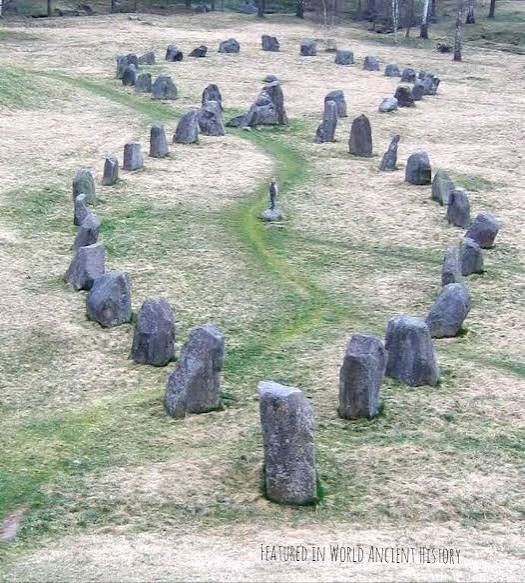
Standing stones, carved rocks, and arranged formations are among the most common examples.

These stones were often placed in significant locations.

Symbolic Use

Ritual stones may have been used for ceremonies, offerings, or gatherings.

Their placement and design suggest intentional meaning.

Alignment and Astronomy

Some stones are aligned with celestial events.

This connection to the sky suggests a link between ritual and astronomy.

Cultural Significance

Ritual stones reflect early spiritual beliefs.

They show how humans used physical objects to connect with the unseen.

Lasting Mystery

Many ritual stones remain unexplained.

They continue to inspire curiosity and study.
← Ancient Temples Dedicated to the MoonThe Oldest Known Metal Mines in Human History →
Featured
image_2026-03-25_231134682.png
Mar 25, 2026
Well-Preserved Medieval Town Identified in Poland
Mar 25, 2026
Read More →
Mar 25, 2026
image_2026-03-24_235637908.png
Mar 25, 2026
The Oldest Stone Tools Ever Discovered
Mar 25, 2026
Read More →
Mar 25, 2026
image_2026-03-24_235552378.png
Mar 25, 2026
The Giants of Prehistoric Rock Art
Mar 25, 2026
Read More →
Mar 25, 2026
image_2026-03-24_235520987.png
Mar 25, 2026
The Secrets of Ancient Herbal Medicine
Mar 25, 2026
Read More →
Mar 25, 2026
image_2026-03-24_235426087.png
Mar 25, 2026
Ancient Temples Dedicated to the Moon
Mar 25, 2026
Read More →
Mar 25, 2026
image_2026-03-24_235355132.png
Mar 25, 2026
Ritual Stones Used in Prehistoric Ceremonies
Mar 25, 2026
Read More →
Mar 25, 2026
read more

Powered by The archaeologist