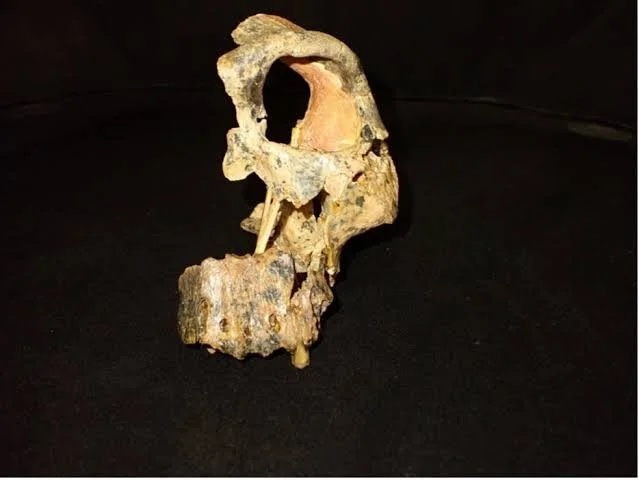
The trumpets were commonly used to inspire Celtic warriors, but Romans captured them as war trophies.
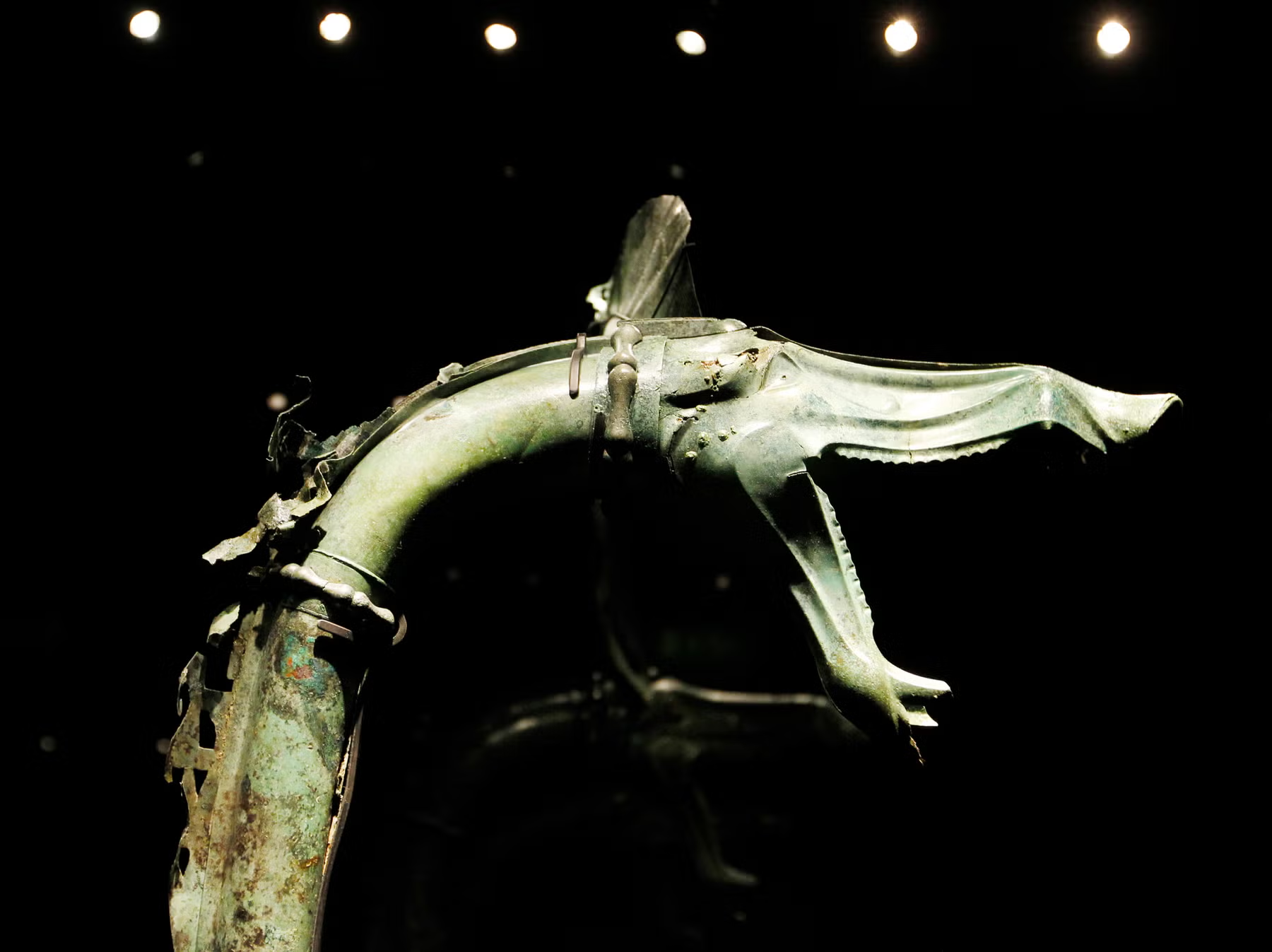
This story explores the discovery of an exceptionally rare Iron Age hoard in Norfolk, England, which included an animal-headed Celtic war trumpet. Such trumpets were used to rally and motivate Celtic fighters, while the Romans prized them as trophies taken from defeated enemies. The find may be connected to Queen Boudica’s revolt against Roman rule, as the location and dating of the hoard align with the period of her uprising. The boar, a powerful symbol of strength for Celtic warriors 2,000 years ago, appears both on the trumpet and on military standards uncovered at the site during preparatory work for a housing development.
The bronze trumpet, known as a carnyx, dates back around 2,000 years and was widely used by Celtic groups across Europe to intimidate opponents and inspire troops in battle. Its striking appearance also captivated the Romans, who frequently seized these instruments and displayed them as symbols of victory. According to Historic England, the Norfolk example is only the third carnyx ever found in Britain and ranks among the most complete specimens discovered anywhere in Europe.