• MAIN PAGE
  • LATEST NEWS
    • Lost Cities
    • Archaeology's Greatest Finds
    • Underwater Discoveries
    • Greatest Inventions
    • Studies
    • Blog
  • PHILOSOPHY
  • HISTORY
  • RELIGIONS
    • Africa
    • Anatolia
    • Arabian Peninsula
    • Balkan Region
    • China - East Asia
    • Europe
    • Eurasian Steppe
    • Levant
    • Mesopotamia
    • Oceania - SE Asia
    • Pre-Columbian Civilizations of America
    • Iranian Plateau - Central Asia
    • Indus Valley - South Asia
    • Japan
    • The Archaeologist Editor Group
    • Scientific Studies
    • Aegean Prehistory
    • Historical Period
    • Byzantine Middle Ages
    • Predynastic Period
    • Dynastic Period
    • Greco-Roman Egypt
  • Rome
  • PALEONTOLOGY
  • About us
Menu

The Archaeologist

  • MAIN PAGE
  • LATEST NEWS
  • DISCOVERIES
    • Lost Cities
    • Archaeology's Greatest Finds
    • Underwater Discoveries
    • Greatest Inventions
    • Studies
    • Blog
  • PHILOSOPHY
  • HISTORY
  • RELIGIONS
  • World Civilizations
    • Africa
    • Anatolia
    • Arabian Peninsula
    • Balkan Region
    • China - East Asia
    • Europe
    • Eurasian Steppe
    • Levant
    • Mesopotamia
    • Oceania - SE Asia
    • Pre-Columbian Civilizations of America
    • Iranian Plateau - Central Asia
    • Indus Valley - South Asia
    • Japan
    • The Archaeologist Editor Group
    • Scientific Studies
  • GREECE
    • Aegean Prehistory
    • Historical Period
    • Byzantine Middle Ages
  • Egypt
    • Predynastic Period
    • Dynastic Period
    • Greco-Roman Egypt
  • Rome
  • PALEONTOLOGY
  • About us

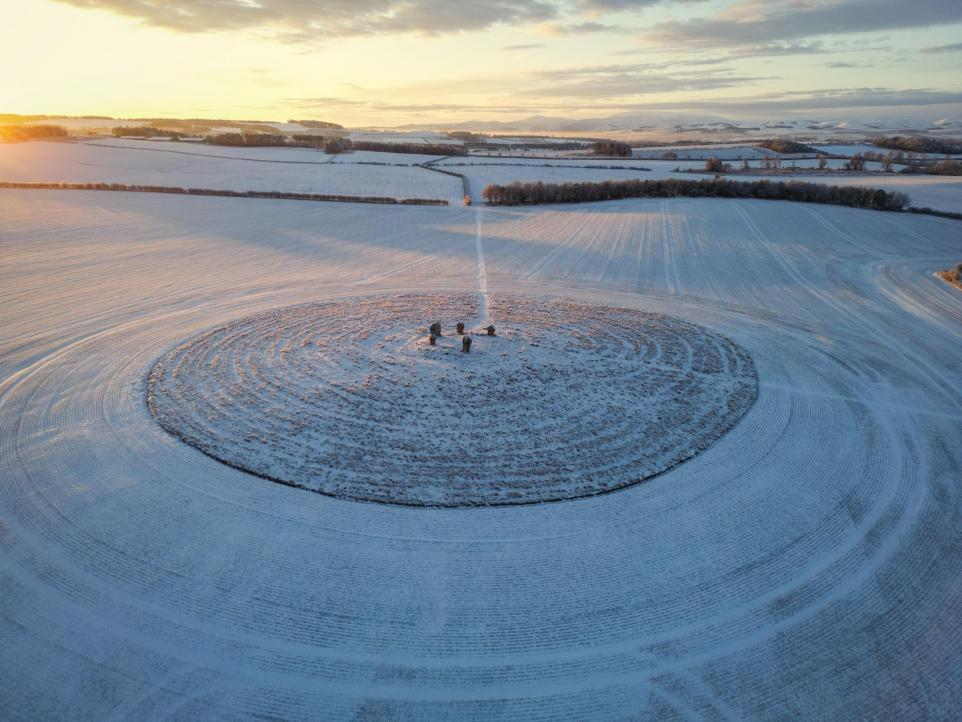
A local photographer has captured a snow-touched Duddo Five Stones from various angles.

Northumberland Stonehenge: Snow-covered Duddo Five Stones

January 13, 2026

Northumberland’s own version of Stonehenge has been photographed in striking fashion, blanketed in snow by a local landscape photographer.

The Duddo Five Stones, situated about four miles north of the village of Duddo and roughly eight miles south-west of Berwick-upon-Tweed, are among the county’s most impressive prehistoric features.

The images were taken by Jim Scott, a Northumberland photographer known for capturing rural scenery, during snowy conditions in December 2023. The stone circle is thought to date back to the Late Neolithic or Early Bronze Age, around 2000 BC, and is considered one of the best-preserved ancient sites in the region.

Although only five standing stones remain today, excavations carried out in the 1890s uncovered the sockets of two additional stones, suggesting the circle originally consisted of seven.
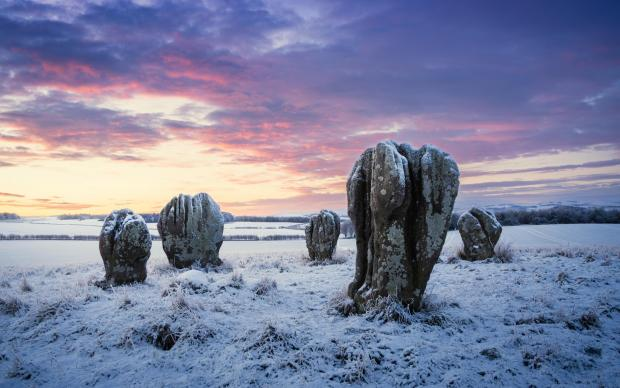
Occasionally called 'the singing stones' for the whistle that the formation creates on windy days

Constructed from locally sourced soft sandstone and laid out in a circle approximately 10 metres across, the monument commands wide-ranging views over the Cheviot Hills to the south and, in clear conditions, towards the Lammermuir Hills and the Scottish Borders to the north.

The function of the Duddo Five Stones remains uncertain, with archaeologists proposing various interpretations, including ritual or ceremonial activity, ancestor veneration, solar or astronomical alignment, or use as a site for seasonal assemblies.
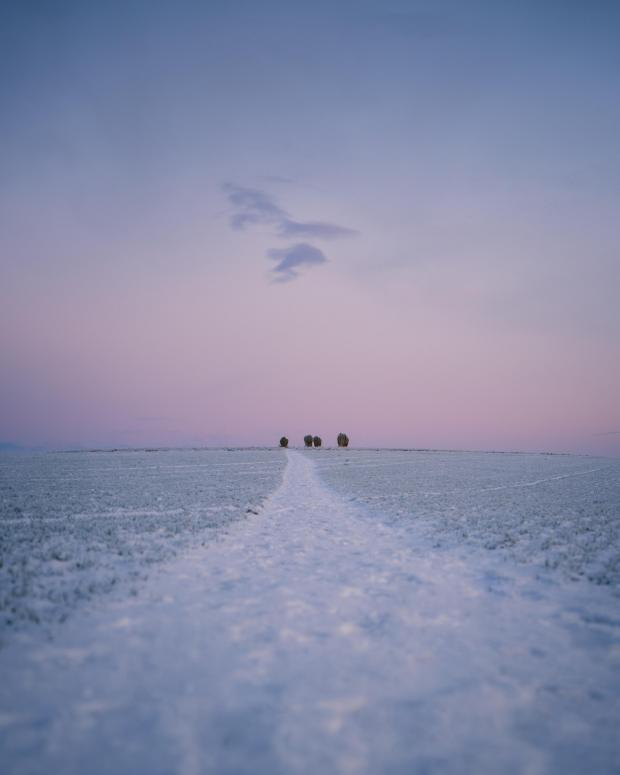
Duddo Five Stones from afar

The stones are located on privately owned land, but visitors are permitted access along a footpath from the B6354 to the north of Duddo. Although there is no official public right of way, the path is clearly signposted and open for use.
← Archaeologists Found a Perfectly Preserved Celtic Instrument of WarPrehistoric arrow and Roman artefacts among items found during East Leeds Orbital project →
Featured
image_2026-01-13_145551915.png
Jan 13, 2026
Archaeologists Say They’ve Unearthed a Massive Medieval Cargo Ship That’s the Largest Vessel of Its Kind Ever Found
Jan 13, 2026
Read More →
Jan 13, 2026
image_2026-01-13_142940648.png
Jan 13, 2026
600-year-old Viking shipwreck is the largest of its kind
Jan 13, 2026
Read More →
Jan 13, 2026
image_2026-01-13_141554876.png
Jan 13, 2026
The wild reason ancient statues always have tiny p*nises, because I bet you’ve wondered
Jan 13, 2026
Read More →
Jan 13, 2026
image_2026-01-13_135852029.png
Jan 13, 2026
Carnoustie Stone Age hall challenges view of Scotland’s early people
Jan 13, 2026
Read More →
Jan 13, 2026
image_2026-01-13_135115162.png
Jan 13, 2026
Archaeologists Found an Entirely New Language Among the Ruins of an Ancient Empire
Jan 13, 2026
Read More →
Jan 13, 2026
image_2026-01-13_134311101.png
Jan 13, 2026
Poison Detected on 60,000-Year-Old Arrowheads
Jan 13, 2026
Read More →
Jan 13, 2026
read more

Powered by The archaeologist