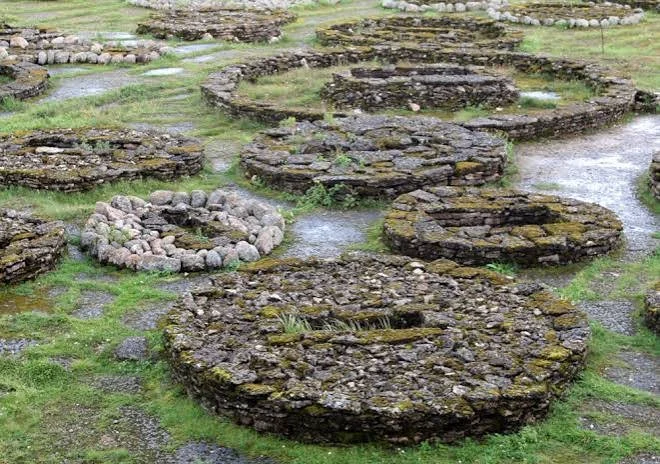
The Institute reports that the Novosel archaeological site dates back to the Neolithic period. It likely emerged after the use of circular enclosures, known as rondels, at the nearby Ornicje site and is closely connected to developments at the related sites of Bubanj and Velika Humska Cuka.
Based on initial findings, the settlement is believed to belong to the Cernavoda III cultural group, according to the Institute.
Further details are expected once the protective excavations are completed. These investigations are currently underway at Novosel, covering roughly 15,000 square meters and stretching about 500 meters along the planned Railway Bypass route.
Although the archaeological site extends both north and south of the railway path, excavations are being conducted specifically along the bypass corridor. The Institute for the Protection of Cultural Monuments in Niš previously carried out full protective excavations at the Ornicje K.O. Malča site, which featured an unusual layout of concentric circular earthworks and palisades typical of a rondel-type settlement.
The current protective excavations are being conducted in partnership with the Belgrade Archaeological Institute and the National Museum in Niš.
The Institute emphasized the need for thorough archaeological investigations along the Railway Bypass route to enable construction to proceed. Work is being carried out according to construction priorities and under challenging conditions due to heavy rainfall.
These excavations rank among the largest organized by the Institute since its founding. More than 25 archaeologists are involved, and the total area examined now exceeds 17,000 square meters.